

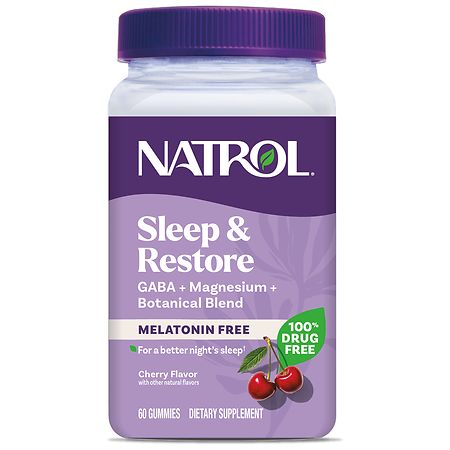
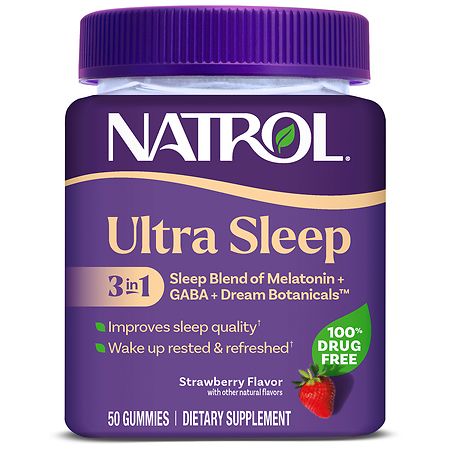
Natrol Melatonin
Analysis updated July 2026 · How Scout scores
At a glance
Summary
This melatonin supplement includes beneficial ingredients like melatonin, elderberry juice, and coconut oil, which support sleep and provide antioxidant benefits. However, the presence of maltodextrin, soy polysaccharides, and crospovidone as fillers, along with the use of natural flavors, detracts from its overall quality. These additives contribute to a higher level of processing and reduce the product's purity and transparency.
Key ingredients 17
MelatoninGood
Melatonin is a hormone that regulates sleep-wake cycles and is commonly used to treat sleep disorders. It is a high-quality active ingredient in sleep supplements, promoting better sleep quality. Its effectiveness can vary based on individual response and dosage.
Risks
Potential risks include drowsiness, dizziness, and headaches if taken in excess.
Benefits
It helps regulate the body's internal clock, making it beneficial for improving sleep patterns.
Elderberry JuiceGood
Elderberry juice is rich in antioxidants and vitamins, supporting immune health and reducing inflammation. It is a high-quality ingredient in supplements, providing natural health benefits. Its inclusion can enhance the nutritional profile of the product.
Benefits
Supports immune function and provides antioxidant benefits.
Coconut OilGood
Coconut oil is a natural fat source with medium-chain triglycerides (MCTs) that may support metabolism and energy production. It is a high-quality ingredient in supplements, providing beneficial fatty acids. Its use is often praised for its potential health benefits.
Risks
Excessive consumption may contribute to increased calorie intake.
Benefits
Supports metabolism and provides a source of healthy fats.
XylitolNeutral
Xylitol is a sugar alcohol used as a sweetener, providing sweetness with fewer calories than sugar. It is generally considered safe and does not significantly impact blood sugar levels. However, excessive consumption can lead to digestive issues.
Risks
Excessive intake may cause digestive discomfort, such as bloating or diarrhea.
Benefits
Xylitol has dental benefits, as it can reduce the risk of cavities by inhibiting the growth of bacteria in the mouth.
Cellulose GumNeutral
Cellulose gum is a thickening agent derived from plant fibers, commonly used to stabilize and thicken products. It is generally considered safe and does not provide any nutritional value. It is used to improve texture and consistency in supplements.
See more about Cellulose Gum →Silicon DioxideNeutral
Silicon dioxide is used as an anti-caking agent to prevent clumping in powdered products. It is generally recognized as safe and does not affect the nutritional profile of the product. It is a common additive in many supplements.
See more about Silicon Dioxide →Malic AcidNeutral
Malic acid is a naturally occurring compound used to enhance flavor and acidity in foods and supplements. It is generally safe and can improve the taste profile of products. It is found naturally in many fruits.
Benefits
May support energy production in the body by participating in the Krebs cycle.
PectinNeutral
Pectin is a natural gelling agent derived from fruits, used to stabilize and thicken products. It is generally recognized as safe and can aid in digestion. It is commonly used in jams and jellies.
Benefits
May support digestive health by acting as a soluble fiber.
Citric AcidNeutral
Citric acid is a natural preservative and flavor enhancer found in citrus fruits. It is widely used to add acidity and preserve freshness in foods and supplements. It is generally recognized as safe.
Benefits
May enhance the absorption of minerals and improve flavor.
Sodium CitrateNeutral
Sodium citrate is used as a buffering agent to control acidity and improve stability in products. It is generally recognized as safe and does not significantly impact the nutritional profile. It is commonly used in food and beverage products.
Benefits
Helps maintain product stability and improve taste.
Carnauba WaxNeutral
Carnauba wax is a natural wax used as a coating agent to provide a glossy finish and protect products. It is derived from the leaves of the carnauba palm and is generally recognized as safe. It is commonly used in food and pharmaceutical products.
Benefits
Provides a protective coating and enhances product appearance.
MaltodextrinBad
Maltodextrin is a highly processed carbohydrate used as a filler or thickener in many products. It has a high glycemic index, which can cause spikes in blood sugar levels. Its use in supplements is often criticized due to its lack of nutritional value.
Risks
May contribute to blood sugar spikes and is not suitable for individuals with insulin sensitivity.
Soy PolysaccharidesBad
Soy polysaccharides are used as a fiber source and filler in processed foods. They are derived from soy, which may be genetically modified and can cause allergic reactions in some individuals. Their use in supplements is often seen as unnecessary filler.
Risks
Potential allergen and may be derived from genetically modified soy.
CrospovidoneBad
Crospovidone is a synthetic polymer used as a disintegrant in tablets and capsules. It is considered an unnecessary filler with no nutritional value. Its inclusion in supplements is often criticized due to its synthetic nature.
Risks
May cause allergic reactions or gastrointestinal discomfort in sensitive individuals.
Organic Tapioca SyrupBad
Processed additive flagged under Scout's ingredient doctrine.
Risks
Excessive consumption may contribute to increased calorie intake.
Benefits
Provides a natural source of carbohydrates and is less processed than conventional sweeteners.
Organic Cane SugarBad
Processed additive flagged under Scout's ingredient doctrine.
Risks
Excessive consumption can lead to weight gain and increased risk of metabolic disorders.
Benefits
Provides a natural source of sweetness with minimal processing.
Natural FlavorBad
Natural flavor is a catch-all term for flavoring agents derived from natural sources, but the exact composition is often undisclosed. It can contain a variety of compounds, some of which may not be beneficial. Its use is often criticized for lack of transparency.
Risks
Potential allergen and lack of transparency in ingredient composition.
Processing
Processed Foods
Get the full breakdown in the Scout appTake Scout shopping
Scan any product to see lab results, healthy alternatives, and your personalized analysis.
Download on theApp Store GET IT ONGoogle PlayAmazon pricing & content
Amazon price as of . Product prices and availability are accurate as of the date/time indicated and are subject to change. Any price and availability information displayed on Amazon.com at the time of purchase will apply to the purchase of this product.
CERTAIN CONTENT THAT APPEARS ON THIS SITE COMES FROM AMAZON. THIS CONTENT IS PROVIDED “AS IS” AND IS SUBJECT TO CHANGE OR REMOVAL AT ANY TIME.