




At a glance
Summary
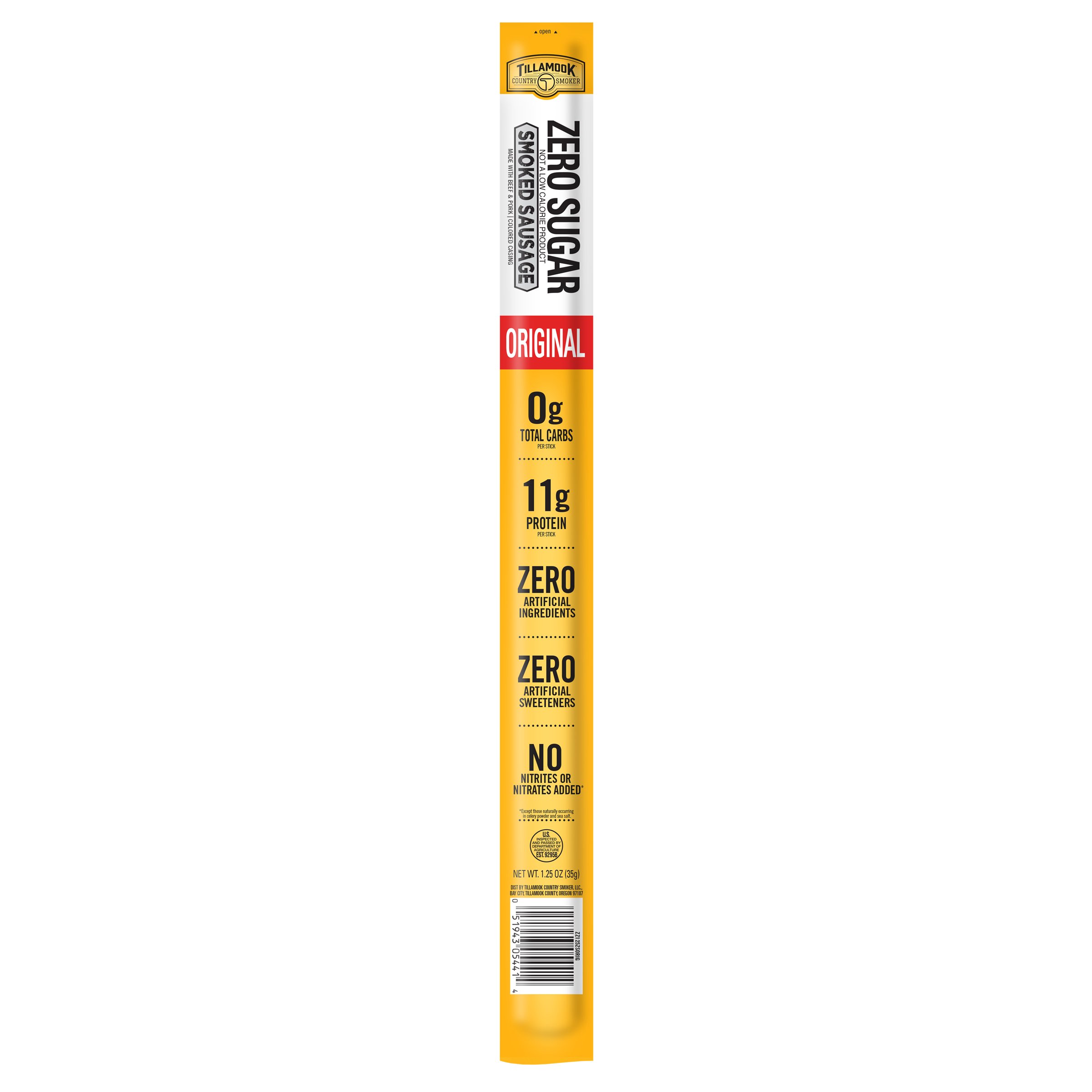
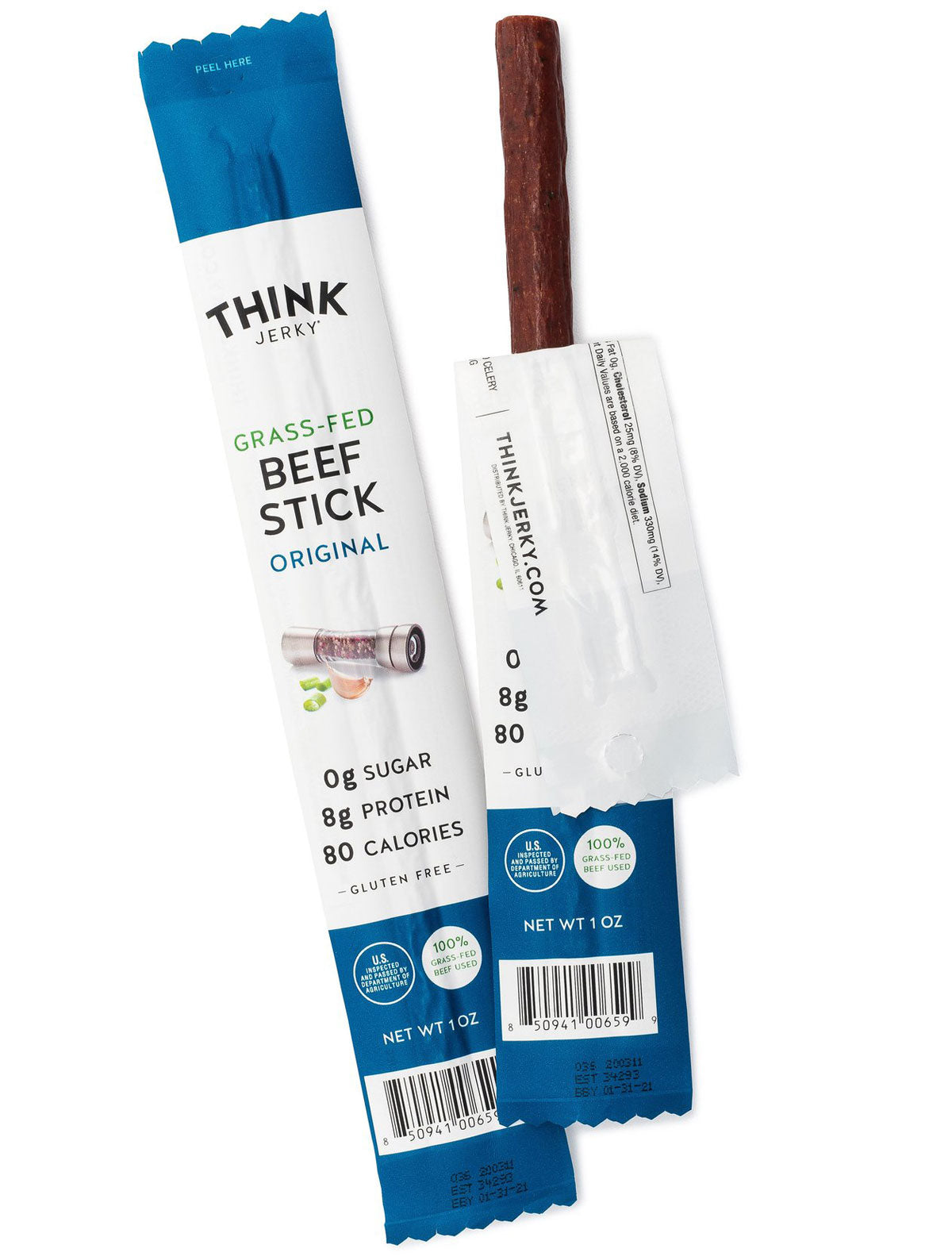
This beef stick contains high-quality protein from beef, but it is processed with additives like dextrose and sodium nitrite. Dextrose can lead to rapid blood sugar spikes, and sodium nitrite is controversial due to potential health risks associated with nitrosamines. The product's processing level and presence of these additives limit its healthiness compared to minimally processed alternatives.
Key ingredients 6
BeefGood
Beef is a high-quality source of complete protein, providing all essential amino acids. It is rich in vitamins and minerals such as iron, zinc, and B vitamins. Grass-fed beef is particularly beneficial due to higher omega-3 fatty acids and antioxidants.
Risks
Excessive consumption of red meat has been linked to increased risk of certain diseases, such as colorectal cancer.
Benefits
Provides essential nutrients and high-quality protein that supports muscle growth and maintenance.
SpicesGood
Whole-food seasonings, antioxidant-bearing.
Benefits
May offer antioxidant properties and enhance flavor without adding calories.
WaterNeutral
Water is used as a processing aid and does not contribute nutritional value. It helps in maintaining moisture in the product. It is a neutral ingredient with no direct health impact.
See more about Water →SaltNeutral
Salt is used for flavor and preservation in processed foods. It is a necessary mineral for bodily functions but should be consumed in moderation. Excessive salt intake can lead to health issues such as hypertension.
Risks
High sodium intake is associated with increased risk of high blood pressure and cardiovascular diseases.
Benefits
Essential for maintaining fluid balance and nerve function in the body.
DextroseBad
Dextrose is a simple sugar used as a sweetener and preservative. It can cause rapid spikes in blood sugar levels. Frequent consumption of added sugars is linked to obesity and metabolic disorders.
Risks
May contribute to insulin resistance and increased risk of type 2 diabetes when consumed in excess.
Benefits
Provides quick energy but lacks nutritional benefits compared to complex carbohydrates.
Sodium NitriteBad
Sodium nitrite is used as a preservative and color fixative in processed meats. It can form nitrosamines, which are potential carcinogens, especially when meats are cooked at high temperatures. Its use is controversial due to potential health risks.
Risks
Linked to increased risk of certain cancers when consumed in large amounts over time.
Benefits
Helps prevent bacterial growth and maintains the color of processed meats.
Processing
Processed Foods
Get the full breakdown in the Scout appTake Scout shopping
Scan any product to see lab results, healthy alternatives, and your personalized analysis.
Download on theApp Store GET IT ONGoogle Play