

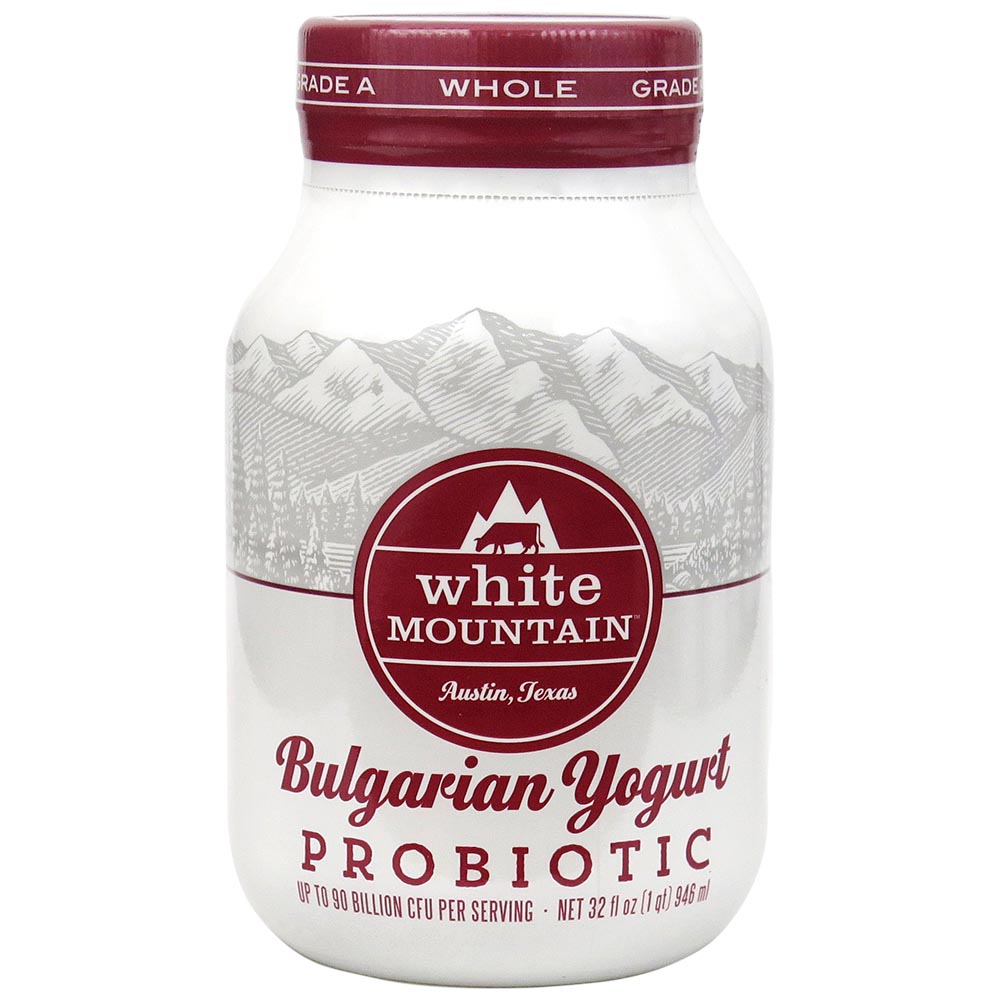
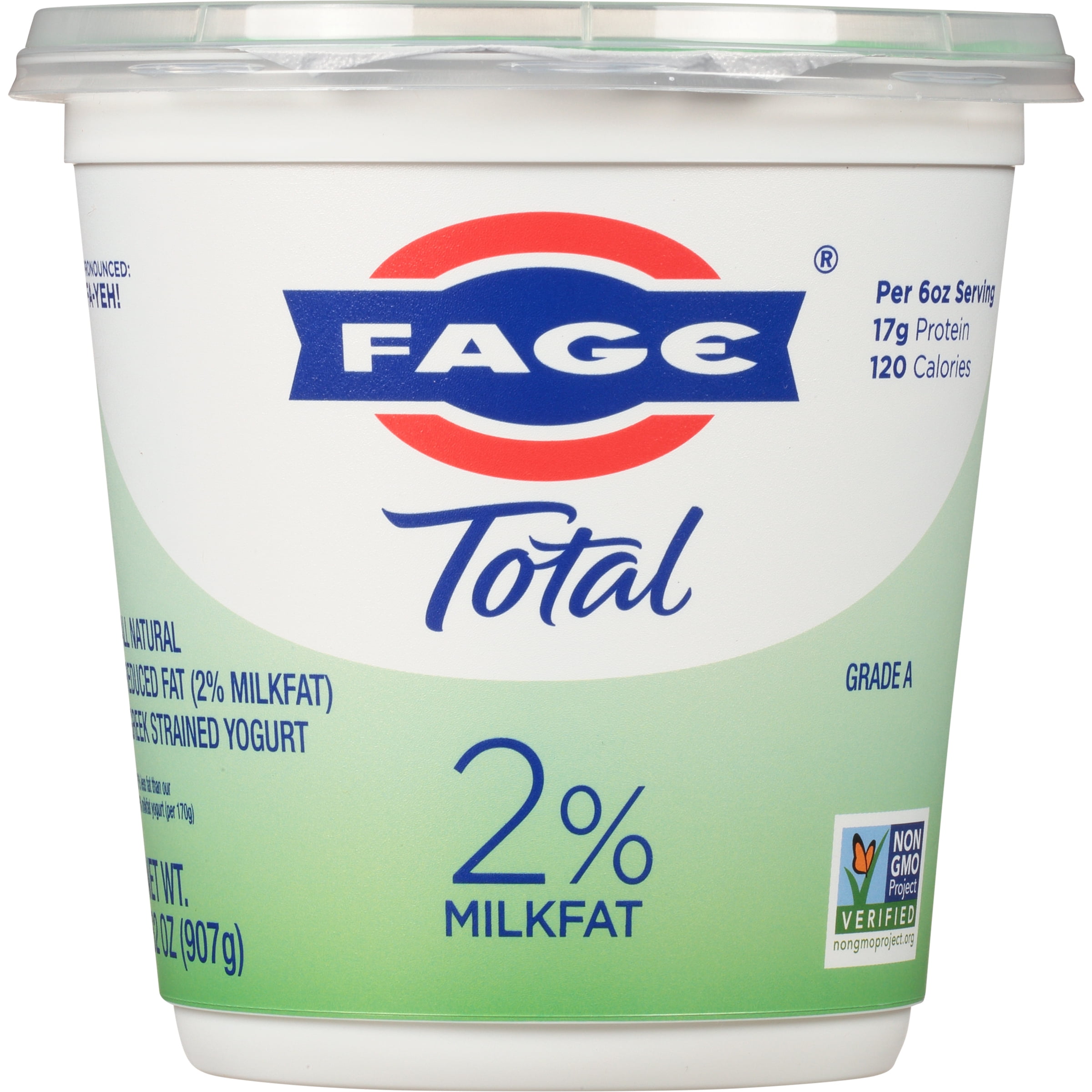


PASSION FRUIT PROBIOTIC FORMULA BLENDED LOWFAT YOGURT
Analysis updated April 2026 · How Scout scores
At a glance
Summary
This yogurt contains beneficial ingredients like cultured lowfat milk and passion fruit juice, which provide probiotics and vitamins. However, it is heavily processed with added sugars, fructose, and natural flavors, which detract from its nutritional value. The presence of multiple additives and preservatives further contributes to its high processing level, limiting its health benefits.
Key ingredients 13
Cultured pasteurized grade a lowfat milkGood
Cultured pasteurized grade A lowfat milk is a primary source of protein and calcium, essential for bone health. The pasteurization process ensures safety by eliminating harmful bacteria. Culturing adds probiotics, which can support gut health.
Benefits
Provides essential nutrients like calcium and protein, and contains probiotics that may improve digestive health.
Passion fruit juiceGood
Passion fruit juice adds natural flavor and a source of vitamins, particularly vitamin C. It is derived from the fruit and retains some of its antioxidant properties. The juice enhances the taste profile of the yogurt.
Benefits
Provides antioxidants and vitamin C, which support immune function and overall health.
Vitamin d3Good
Beneficial ingredient — whole-food or functional value in this product class.
Risks
Excessive intake can lead to hypercalcemia, causing calcium deposits in soft tissues.
Benefits
Essential for bone health and immune function, aiding in calcium absorption.
Nonfat milk solidsNeutral
Nonfat milk solids are used to enhance the texture and protein content of dairy products. They are derived from milk and contain lactose, proteins, and minerals. While they add nutritional value, they are processed and lack the fat-soluble vitamins found in whole milk.
Risks
May cause digestive issues for individuals with lactose intolerance.
Benefits
Contribute to the protein content and provide minerals such as calcium.
Modified cornstarchNeutral
Modified cornstarch is used as a thickening agent to improve texture and stability in processed foods. It is chemically altered to withstand various processing conditions. While it is generally safe, it provides no significant nutritional benefits.
See more about Modified cornstarch →Kosher gelatinNeutral
Kosher gelatin is used as a gelling agent to improve the texture and consistency of food products. It is derived from animal collagen and is considered acceptable for kosher dietary laws. While it provides no significant nutrients, it enhances the mouthfeel of the yogurt.
See more about Kosher gelatin →AnnattoNeutral
Annatto is a natural colorant derived from the seeds of the achiote tree, used to impart a yellow or orange hue to foods. It is minimally processed and generally considered safe. While it adds visual appeal, it does not contribute to nutritional value.
Risks
May cause allergic reactions in sensitive individuals.
Citric acidNeutral
Citric acid is a natural acidulant used to enhance flavor and preserve freshness in food products. It is commonly derived from citrus fruits or produced via fermentation. While it is safe and effective, it does not provide nutritional benefits.
See more about Citric acid →Vitamin a palmitateNeutral
Vitamin A palmitate is a synthetic form of vitamin A added to fortify foods and support vision and immune function. It is fat-soluble and can accumulate in the body if consumed in excess. While beneficial in appropriate amounts, it requires careful regulation.
Risks
Excessive intake can lead to hypervitaminosis A, causing toxicity symptoms.
Benefits
Supports vision, immune function, and skin health when consumed in appropriate amounts.
SugarBad
Sugar is a refined carbohydrate that can contribute to increased calorie intake without providing essential nutrients. Excessive consumption is linked to health issues such as obesity and dental cavities. It is often added to enhance sweetness in processed foods.
Risks
High intake of sugar can lead to weight gain, increased risk of type 2 diabetes, and dental problems.
FructoseBad
Fructose is a simple sugar that can contribute to increased calorie intake and potential metabolic issues. It is often used as a sweetener in processed foods. Excessive consumption may lead to insulin resistance and liver fat accumulation.
Risks
High intake of fructose is associated with metabolic syndrome and non-alcoholic fatty liver disease.
Natural flavorsBad
Natural flavors are added to enhance the taste of processed foods but lack transparency regarding their specific composition. They are derived from natural sources but can be highly processed. The lack of disclosure can be concerning for individuals with allergies or sensitivities.
Risks
Potential allergen risk due to undisclosed ingredients and processing methods.
Potassium sorbateBad
Synthetic preservative — flagged in daily-use products.
See more about Potassium sorbate →Processing
Ultra-Processed Foods
Get the full breakdown in the Scout appTake Scout shopping
Scan any product to see lab results, healthy alternatives, and your personalized analysis.
Download on theApp Store GET IT ONGoogle Play