Dijon

At a glance
Summary
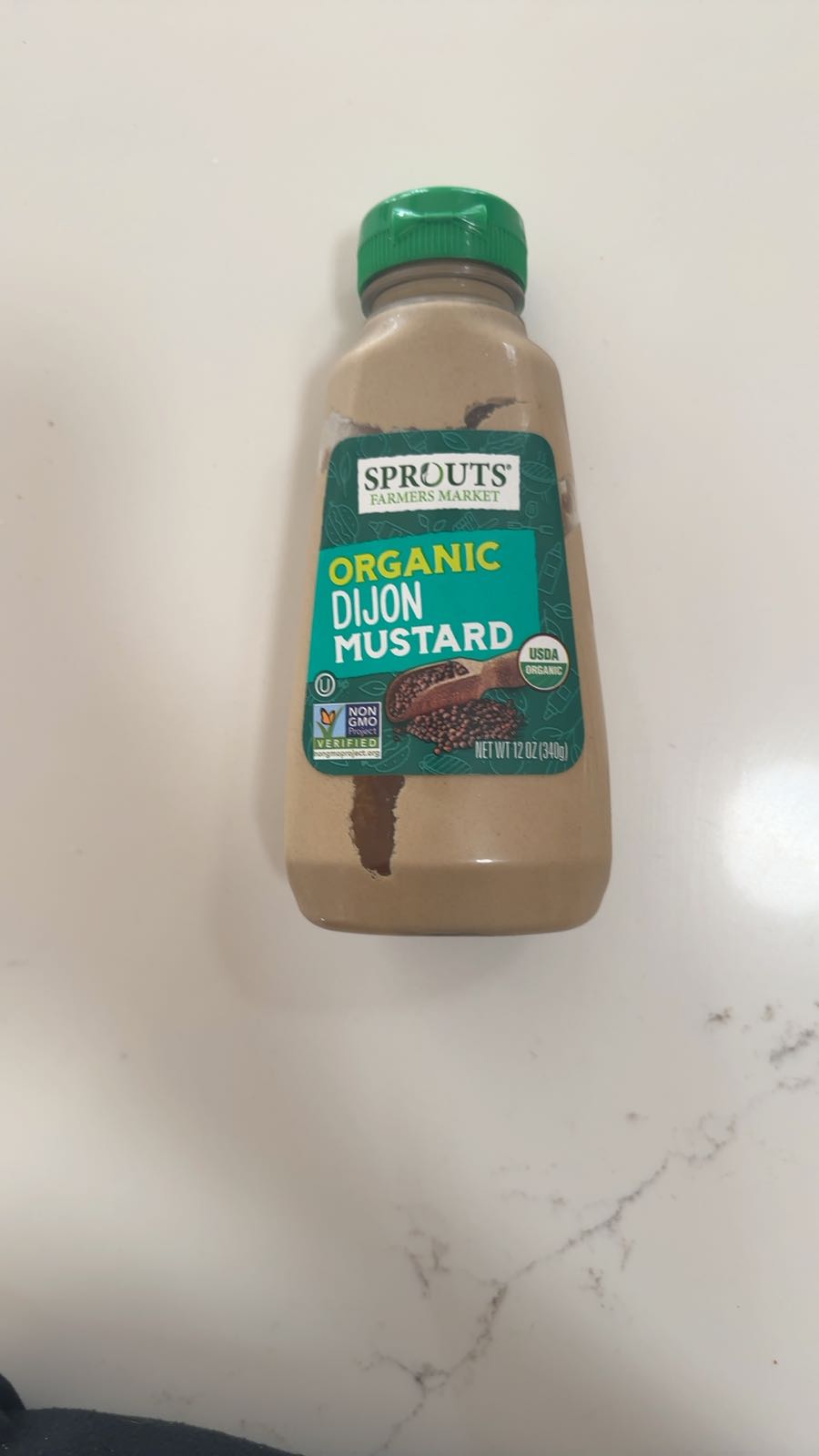
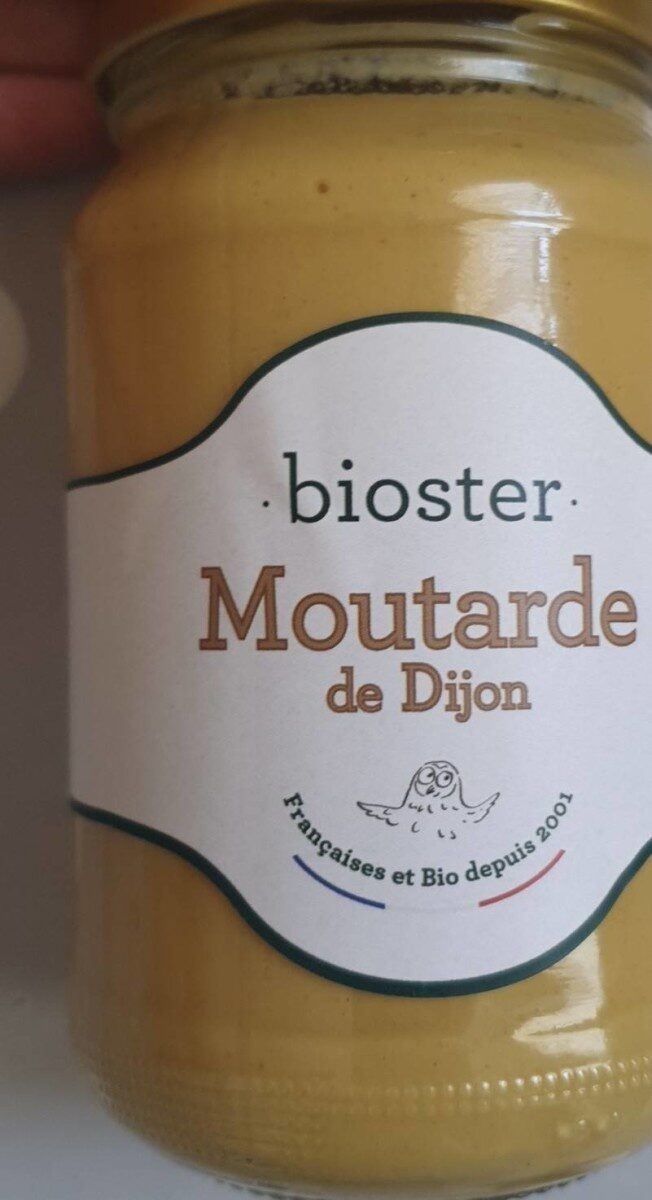
This Dijon mustard is a processed food but features a relatively clean ingredient list with beneficial components like mustard seed, vinegar, and turmeric, which offer antioxidant and anti-inflammatory properties. The product contains minimal additives and avoids harmful ingredients such as seed oils or artificial preservatives, contributing to its favorable health profile despite its processing level. Its plastic packaging can shed microplastics into the food and lowers its score.
Key ingredients 9
Mustard seedGood
Mustard seeds are a good source of minerals and have antioxidant properties. They contain compounds that may support digestive health. The seeds are minimally processed, retaining their nutritional benefits.
Risks
May cause allergic reactions in sensitive individuals.
Benefits
Rich in minerals like selenium and magnesium, and contain antioxidants that may reduce inflammation.
VinegarGood
Vinegar is known for its potential health benefits, including blood sugar regulation. It is a natural preservative and flavor enhancer. The acetic acid in vinegar may aid in digestion.
Risks
Excessive consumption may lead to enamel erosion or digestive discomfort.
Benefits
May help in regulating blood sugar levels and improving digestion.
TurmericGood
Turmeric is known for its anti-inflammatory and antioxidant properties. It contains curcumin, which may support joint health. It is a natural spice with minimal processing.
Risks
May cause stomach upset or interact with certain medications in high doses.
Benefits
Contains curcumin, which has anti-inflammatory and antioxidant effects.
SpicesGood
Whole-food seasonings, antioxidant-bearing.
Risks
May cause allergic reactions in sensitive individuals.
Benefits
Enhance flavor and may provide antioxidant benefits depending on the spice.
WaterNeutral
Water is a neutral ingredient used as a base in many food products. It does not contribute any calories or nutrients. It serves as a solvent for other ingredients.
See more about Water →SaltNeutral
Salt is used for flavoring and preserving food. It is a common culinary ingredient but does not provide additional nutrients. Excessive intake can lead to health issues.
Risks
High sodium intake is associated with increased blood pressure and cardiovascular risk.
Benefits
Essential for maintaining fluid balance and nerve function in the body.
White wineNeutral
White wine is used for flavoring in culinary applications. It contains alcohol, which evaporates during cooking. It adds complexity to the flavor profile of the product.
Risks
Contains alcohol, which may not be suitable for all individuals.
Benefits
Enhances the flavor of dishes without significant nutritional impact.
Citric acidNeutral
Citric acid is a natural preservative and flavor enhancer. It is commonly used to add acidity to foods. It is generally recognized as safe when used in food products.
Risks
Excessive consumption may cause digestive discomfort.
Benefits
Helps preserve food and enhance flavor without significant health risks.
Tartaric acidNeutral
Tartaric acid is used as an acidulant in food products. It helps stabilize the acidity and flavor of foods. It is generally recognized as safe in food applications.
Benefits
Helps maintain the stability and flavor of food products.
Processing
Processed Foods
Get the full breakdown in the Scout appTake Scout shopping
Scan any product to see lab results, healthy alternatives, and your personalized analysis.
Are you Selection? Fix an error Get the badge Get tested