
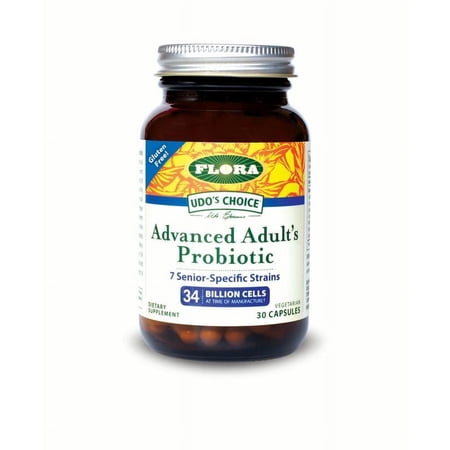
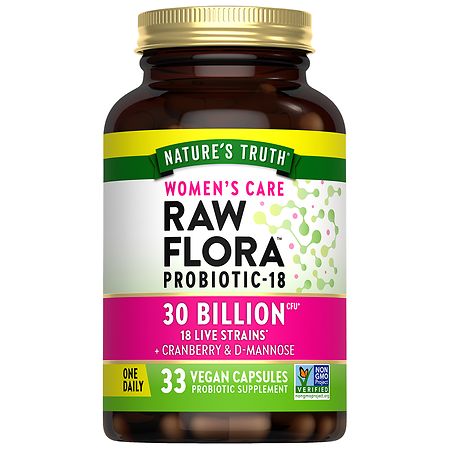
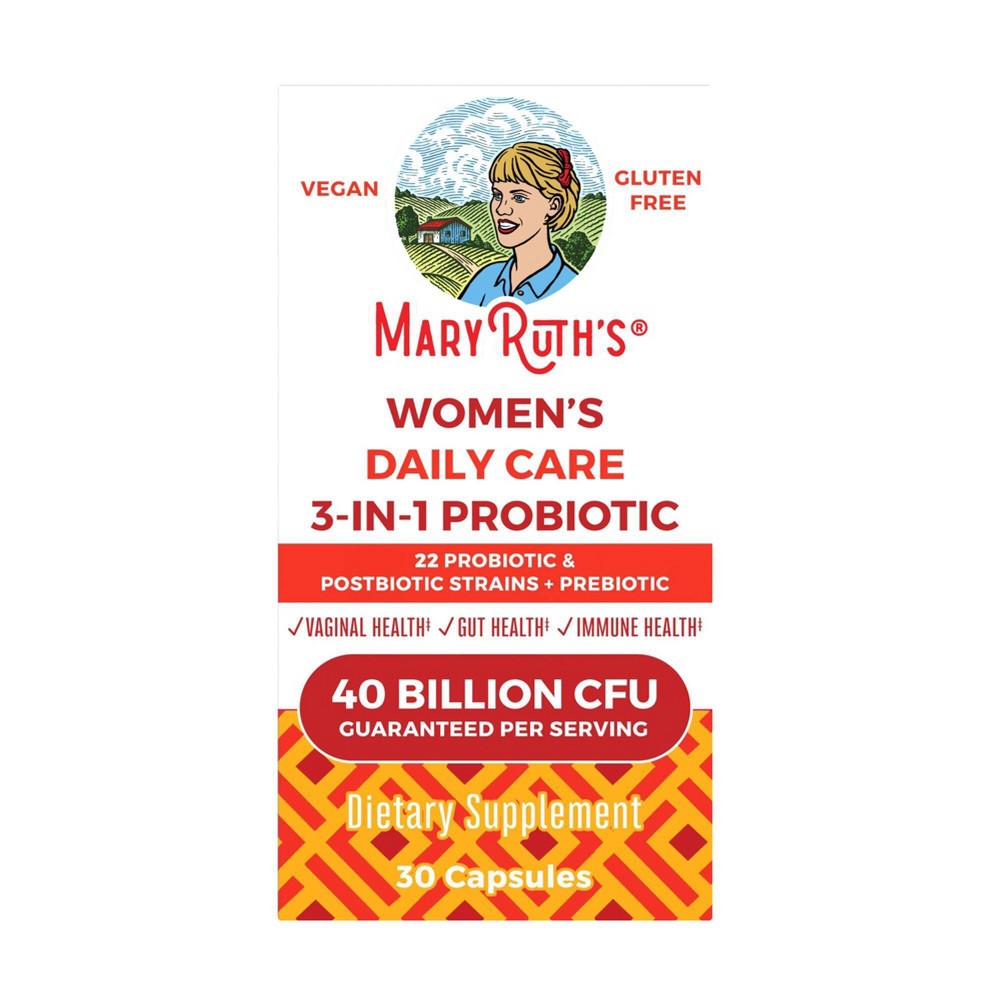
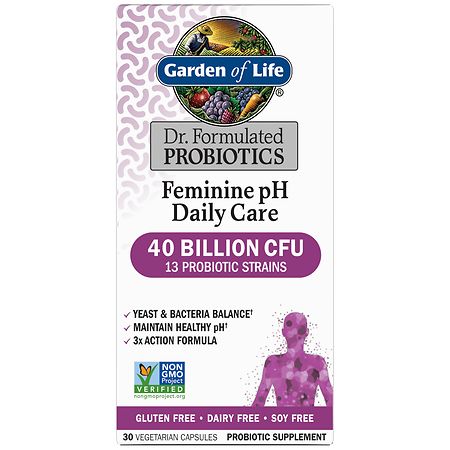
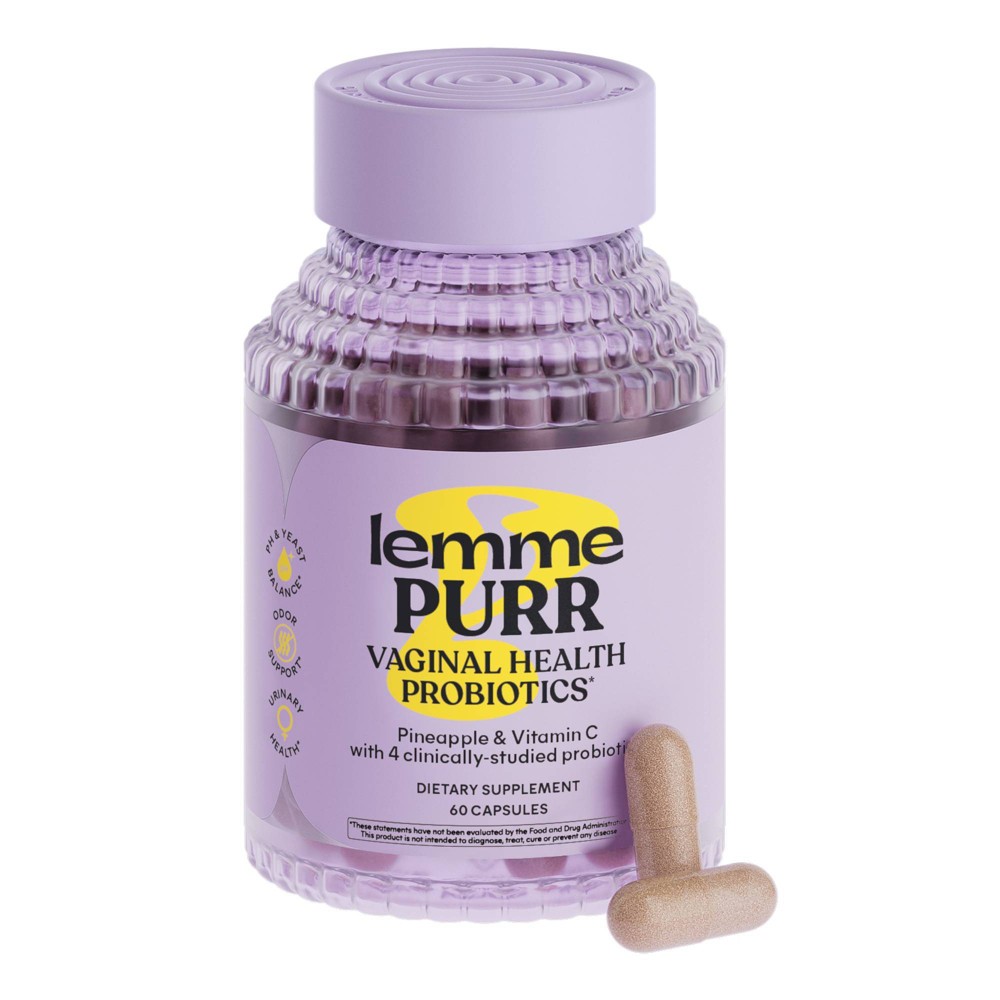
Flora Advanced Adult s Blend Probiotic 30 capsules
Analysis updated September 2026 · How Scout scores
At a glance
Summary
This probiotic supplement contains beneficial ascorbic acid, which supports immune function and antioxidant protection. However, the presence of soy peptone, which may pose allergen risks and is considered an inferior protein source, slightly detracts from its overall quality. The formulation includes several additives like maltodextrin and silicon dioxide, which are common in supplements but contribute to a moderate level of processing.
Key ingredients 11
Ascorbic AcidGood
Ascorbic acid, also known as vitamin C, is an essential nutrient that supports immune function and antioxidant protection. It is commonly added to supplements for its health benefits. It is well-absorbed and contributes to overall health.
Risks
Excessive intake may lead to gastrointestinal discomfort.
Benefits
Supports immune function and acts as an antioxidant.
Potato StarchNeutral
Potato starch is a common filler and thickening agent in supplements. It is derived from potatoes and is generally considered safe for consumption. It does not provide significant nutritional benefits.
See more about Potato Starch →HypromelloseNeutral
Hypromellose is a plant-derived cellulose used as a capsule material. It is commonly used in supplements for its stability and safety. It does not contribute any nutritional value.
See more about Hypromellose →Stearic AcidNeutral
Stearic acid is a fatty acid used as a lubricant in supplement manufacturing. It is generally recognized as safe and does not affect the nutritional profile of the product. It is derived from natural sources like palm or cocoa butter.
See more about Stearic Acid →Silicon DioxideNeutral
Silicon dioxide is used as an anti-caking agent in supplements. It is a naturally occurring compound and is considered safe for consumption. It does not provide nutritional benefits.
See more about Silicon Dioxide →Skim MilkNeutral
Skim milk is used as a source of lactose and protein in supplements. It is a common ingredient in probiotic formulations. It provides minimal nutritional benefits in small quantities.
Risks
May cause issues for individuals with lactose intolerance.
Benefits
Provides a source of lactose which can aid in probiotic growth.
SucroseNeutral
Sucrose is a simple sugar used as a sweetener or stabilizer in supplements. It is derived from sugar cane or sugar beets. It does not provide significant health benefits in small amounts.
Risks
Excessive consumption can lead to increased calorie intake and dental issues.
TrehaloseNeutral
Trehalose is a sugar used for its stabilizing properties in supplements. It is naturally occurring and considered safe. It does not offer significant nutritional benefits.
See more about Trehalose →MaltodextrinBad
Processed additive flagged under Scout's ingredient doctrine.
Risks
May affect blood sugar levels if consumed in large amounts.
Soy PeptoneBad
Soy peptone is a protein source derived from soybeans, used to support bacterial growth in probiotics. It is considered inferior to animal-based proteins due to its amino acid profile. It may also pose allergen risks.
Risks
Potential allergen and may not provide a complete amino acid profile.
Benefits
Supports bacterial growth in probiotic formulations.
Yeast ExtractBad
Concentrated glutamate source — MSG-adjacent flavor enhancer.
Risks
May contain naturally occurring glutamates which can be a concern for sensitive individuals.
Benefits
Provides nutrients that can support probiotic growth.
Processing
Processed Foods
Get the full breakdown in the Scout appTake Scout shopping
Scan any product to see lab results, healthy alternatives, and your personalized analysis.
Download on theApp Store GET IT ONGoogle Play