


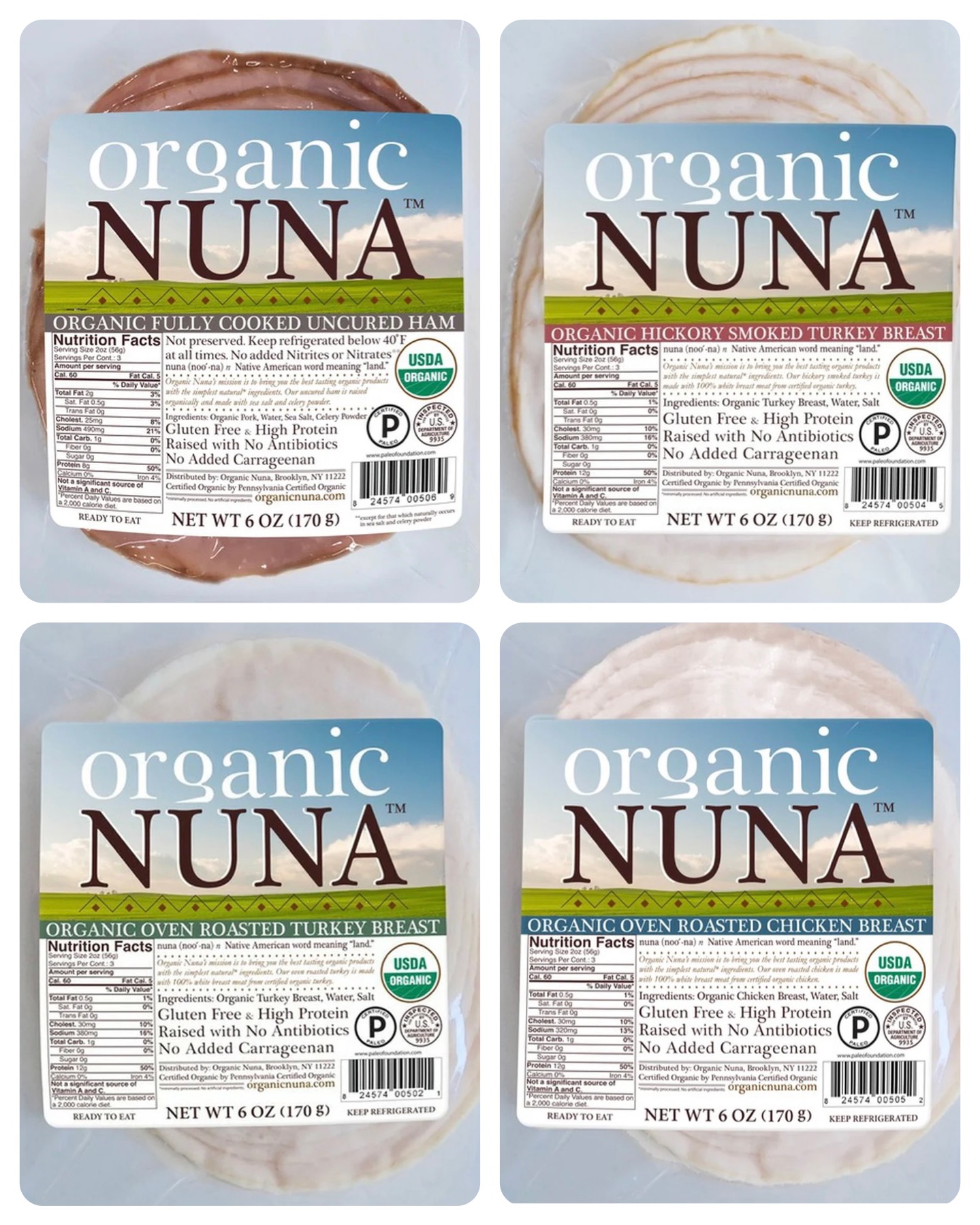


At a glance
Summary
This oven roasted turkey breast product contains beneficial ingredients like chicken breast and turkey breast, which are lean sources of high-quality protein. However, it is processed and includes cane sugar, which adds unnecessary calories without nutritional benefits. The presence of potato starch and cultured celery extract also indicates a moderate level of processing, which impacts the overall healthiness of the product.
Key ingredients 9
Chicken BreastGood
Chicken breast is a lean source of high-quality protein. It provides essential amino acids necessary for muscle repair and growth. As a minimally processed meat, it is a healthier protein option compared to processed meats.
Benefits
Rich in protein and low in fat, supporting muscle maintenance and overall health.
Sea SaltGood
Sea salt is a natural source of sodium and trace minerals. It is less processed than table salt, retaining beneficial minerals. It enhances flavor without the additives found in refined salts.
Risks
Excessive sodium intake can lead to high blood pressure and cardiovascular issues.
Benefits
Provides essential sodium and trace minerals that support electrolyte balance.
PorkGood
Pork is a rich source of protein and essential nutrients like B vitamins and zinc. It provides a complete amino acid profile necessary for muscle growth and repair. When consumed in moderation, it can be part of a balanced diet.
Risks
High consumption of processed pork products can increase the risk of cardiovascular diseases.
Benefits
Provides high-quality protein and essential nutrients that support overall health.
Turkey BreastGood
Turkey breast is a lean source of high-quality protein. It is low in fat and provides essential nutrients like B vitamins and selenium. As a minimally processed meat, it is a healthier protein option compared to processed meats.
Benefits
Rich in protein and low in fat, supporting muscle maintenance and overall health.
WaterNeutral
Water is used as a processing aid and does not contribute nutritional value. It helps maintain moisture in the product. There are no health concerns associated with water in this context.
See more about Water →Potato StarchNeutral
Potato starch is used as a thickening agent and stabilizer. It is a refined carbohydrate with minimal nutritional value. It is generally considered safe and non-allergenic.
See more about Potato Starch →VinegarNeutral
Vinegar is used as a preservative and flavor enhancer. It is a natural product with antimicrobial properties. It contributes to the acidity and flavor profile of the product.
Benefits
May have antimicrobial properties and contribute to flavor enhancement.
Cultured Celery ExtractNeutral
Cultured celery extract is used as a natural preservative due to its nitrate content. It is often used as a natural alternative to synthetic preservatives. It helps maintain product freshness and safety.
Risks
Excessive consumption of nitrates can be a concern, but levels in food are generally considered safe.
Benefits
Acts as a natural preservative, helping to maintain freshness without synthetic additives.
Cane SugarBad
Cane sugar is a refined sugar that can contribute to increased calorie intake without nutritional benefits. It is associated with various health issues when consumed in excess, such as obesity and diabetes. It is used primarily for flavor enhancement in processed foods.
Risks
Excessive consumption can lead to obesity, diabetes, and other metabolic disorders.
Benefits
Provides quick energy but lacks essential nutrients.
Processing
Processed Foods
Get the full breakdown in the Scout appTake Scout shopping
Scan any product to see lab results, healthy alternatives, and your personalized analysis.
Download on theApp Store GET IT ONGoogle Play