
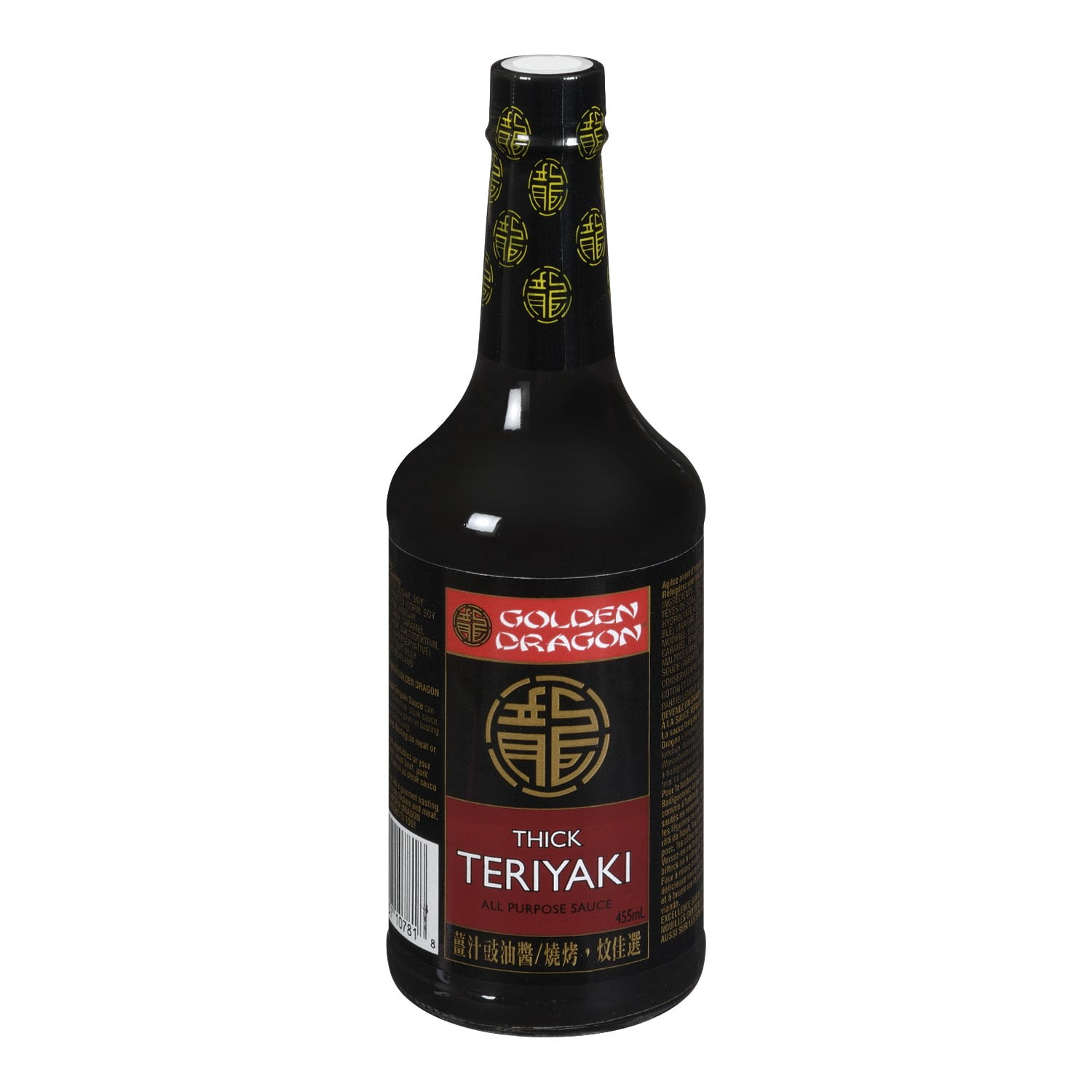
Golden Dragon Thick Teriyaki 455ml

Golden Dragon
60 Fair
View on Amazon

Summary

This teriyaki sauce is a processed product with a high sugar content, which can contribute to health issues like obesity and diabetes when consumed in excess. It also contains caramel color, an artificial additive that provides no nutritional value and may form potentially harmful compounds. While it includes beneficial ingredients like soy sauce, vinegar, and ginger, the overall processing level and presence of sugar and artificial additives limit its healthiness.

At a glance

Beneficial ingredients 3
Harmful ingredients 3
Owned by SFC Group
Category Condiments

Key ingredients 8

Water
Neutral

Water is a neutral ingredient primarily used as a solvent in food products. It does not contribute significant nutritional value but is essential for the consistency of the sauce. The quality of water can vary based on its source and treatment processes.

See more about Water →
Sugar
Bad

Sugar is considered a bad ingredient due to its high caloric content and lack of essential nutrients. It is often processed and can contribute to health issues such as obesity and diabetes when consumed in excess. In sauces, sugar is used to enhance flavor but can lead to excessive sugar intake.

Risks

Excessive consumption of sugar can lead to weight gain, increased risk of type 2 diabetes, and dental problems.

See more about Sugar →
Soy Sauce
Good

Soy sauce is a fermented product that can provide umami flavor and some beneficial compounds. It is made through fermentation, which can enhance its nutritional profile by adding probiotics. However, it is high in sodium, which can be a concern for some individuals.

Risks

High sodium content can contribute to hypertension and cardiovascular issues if consumed in large amounts.

Benefits

Contains antioxidants and may have probiotic benefits due to fermentation.

Salt
Bad

Salt is a common seasoning that enhances flavor but is considered bad when consumed in excess due to its sodium content. It is minimally processed but can contribute to high blood pressure and cardiovascular diseases. In processed foods, salt is often used to preserve and enhance taste.

Risks

Excessive salt intake is linked to hypertension and increased risk of heart disease.

See more about Salt →
Modified Corn Starch
Neutral

Modified corn starch is used as a thickening agent in many processed foods. It is derived from corn and undergoes chemical modification to improve its stability and texture. While it is not harmful in small amounts, it does not provide significant nutritional benefits.

See more about Modified Corn Starch →
Vinegar
Good

Vinegar is a fermented product that can add acidity and flavor to foods. It is produced through the fermentation of ethanol by acetic acid bacteria, which can offer some health benefits. Vinegar may aid in digestion and has antimicrobial properties.

Benefits

May aid in digestion and has antimicrobial properties.

See more about Vinegar →
Caramel Colour
Bad

Caramel colour is an artificial additive used to impart color to foods. It is produced by heating sugar, sometimes with acids or alkalis, which can lead to the formation of potentially harmful compounds. Its use is primarily aesthetic and does not contribute to nutritional value.

Risks

Some types of caramel color may contain 4-MEI, a compound that has been linked to cancer in animal studies.

Ginger
Good

Ginger is a natural spice known for its anti-inflammatory and antioxidant properties. It is minimally processed and can enhance flavor while providing health benefits. Ginger is often used in traditional medicine for its digestive and anti-nausea effects.

Benefits

Contains anti-inflammatory and antioxidant compounds that may support digestive health.

See more about Ginger →

Processing

Group 3 · Processed

Processed Foods

Get the full breakdown in the Scout app

Scan any product to see lab results, healthy alternatives, and your personalized analysis.

Download on theApp Store