
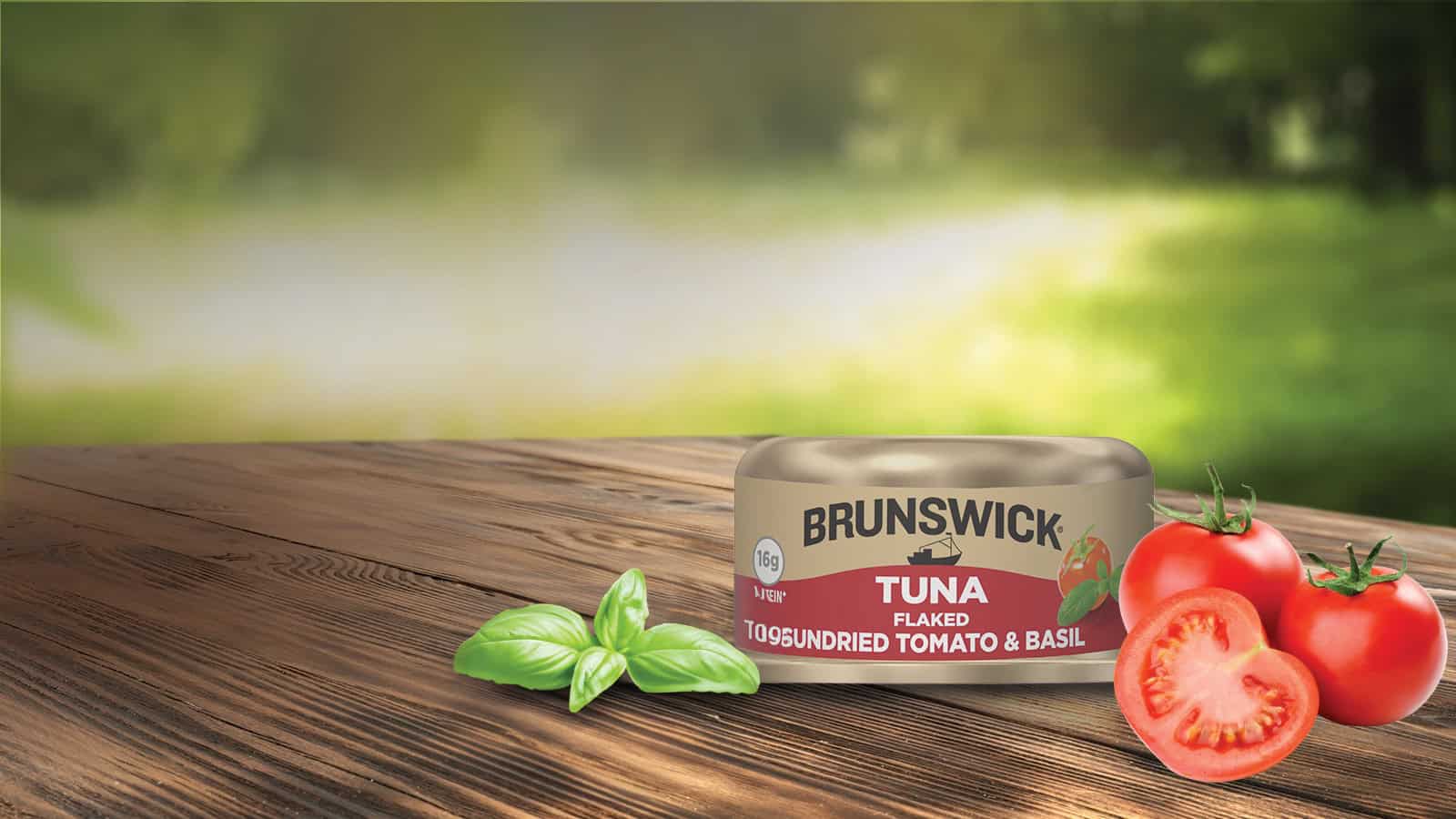

Flaked tuna sundried tomato & basil
Analysis updated July 2026 · How Scout scores
At a glance
Summary
This product contains beneficial ingredients such as tuna, sundried tomatoes, and basil, which provide essential nutrients and antioxidants. However, the presence of soya oil, a seed oil high in omega-6 fatty acids, and added sugar, which contributes empty calories, negatively impacts its health profile. The product is moderately processed, which limits its score despite the presence of some nutritious components.
Key ingredients 12
TunaGood
Tuna is a high-quality source of protein and omega-3 fatty acids. It provides essential nutrients like vitamin D and selenium. However, it may contain trace amounts of mercury depending on the source.
Risks
Potential mercury content can pose health risks if consumed in large quantities.
Benefits
Rich in protein and omega-3 fatty acids, supporting heart and brain health.
Sundried TomatoGood
Sundried tomatoes are rich in vitamins, minerals, and antioxidants. They provide lycopene, which has been linked to reduced risk of certain diseases. The drying process concentrates these nutrients, enhancing their benefits.
Risks
May contain added salt or preservatives depending on processing.
Benefits
High in antioxidants and vitamins, supporting overall health.
Tomato PasteGood
Tomato paste is concentrated and rich in lycopene, an antioxidant. It provides vitamins A and C, supporting immune function. The concentration process enhances its nutrient density.
Risks
May contain added salt or preservatives.
Benefits
Rich in antioxidants and vitamins, supporting overall health.
BasilGood
Basil is an herb rich in vitamins and antioxidants. It provides flavor and potential anti-inflammatory benefits. Fresh or dried, it enhances the nutritional profile of dishes.
Benefits
Contains antioxidants and may have anti-inflammatory properties.
Pea and Carrot PowderGood
Pea and carrot powder provide vitamins and minerals from vegetables. They add nutritional value and fiber to the product. The drying process retains most of the nutrients found in fresh vegetables.
Benefits
Rich in vitamins and fiber, supporting digestive health.
WaterNeutral
Water is used as a base or filler in many food products. It does not contribute any nutritional value. It is essential for hydration but does not impact the nutritional profile of the product.
See more about Water →VinegarNeutral
Vinegar is used for flavoring and preservation. It has minimal nutritional impact but can enhance the taste profile of foods. It is a natural preservative that can help extend shelf life.
Risks
Excessive consumption may lead to digestive discomfort.
Benefits
May aid in digestion and provide antimicrobial properties.
SaltNeutral
Salt is used for flavoring and preservation. It is essential for bodily functions but should be consumed in moderation. Excessive intake can lead to health issues like hypertension.
Risks
High sodium intake can increase the risk of hypertension and cardiovascular diseases.
Benefits
Essential for maintaining fluid balance and nerve function.
Modified Corn StarchNeutral
Modified corn starch is used as a thickening agent in processed foods. It is derived from corn and undergoes chemical modification. It provides no significant nutritional value.
See more about Modified Corn Starch →Citric AcidNeutral
Citric acid is a natural preservative and flavor enhancer. It is commonly used in food processing. It has no significant nutritional impact but helps maintain product freshness.
See more about Citric Acid →SugarBad
Sugar is a refined carbohydrate that can contribute to weight gain and metabolic issues. It provides empty calories with no essential nutrients. Excessive consumption is linked to various health problems.
Risks
Excessive sugar intake can lead to obesity, diabetes, and heart disease.
Soya OilVery Bad
Soya oil is a seed oil high in omega-6 fatty acids, which can promote inflammation. It is often highly processed and refined. Its consumption is linked to potential negative health impacts when consumed in excess.
Risks
High omega-6 content may promote inflammation when consumed in excess.
Processing
Processed Foods
Get the full breakdown in the Scout appTake Scout shopping
Scan any product to see lab results, healthy alternatives, and your personalized analysis.
Download on theApp Store GET IT ONGoogle Play