
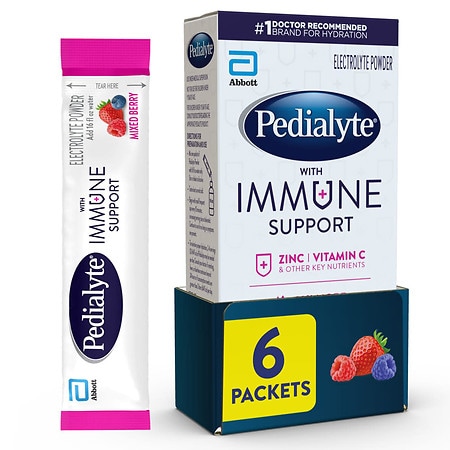


Pedialyte with Immune Support Electrolyte Powder Mixed Berry 0.49 oz 6 Count
Analysis updated August 2026 · How Scout scores
At a glance
Summary
This electrolyte powder contains beneficial ingredients like short-chain fructooligosaccharides, potassium citrate, and zinc sulfate, which support gut health, electrolyte balance, and immune function. However, the presence of dextrose as a primary ingredient adds unnecessary sugar, and the use of natural flavors lacks transparency. Despite these concerns, the product offers a decent formulation for hydration and immune support without artificial dyes or sweeteners.
Key ingredients 9
SaltGood
Beneficial ingredient — whole-food or functional value in this product class.
Risks
Excessive salt intake is linked to high blood pressure and cardiovascular diseases.
Benefits
Essential for electrolyte balance and proper muscle function.
Short-chain FructooligosaccharidesGood
Short-chain fructooligosaccharides are prebiotics that support gut health by promoting beneficial bacteria growth. They are not digested by the human body, thus contributing to improved digestive health. Their inclusion can enhance nutrient absorption and immune function.
Risks
Excessive consumption may cause digestive discomfort in some individuals.
Benefits
Supports gut health and enhances the growth of beneficial gut bacteria.
Potassium CitrateGood
Potassium citrate is used to prevent kidney stones and treat low potassium levels. It helps maintain proper electrolyte balance and supports cardiovascular health. Its inclusion in supplements can aid in muscle function and reduce the risk of hypertension.
Risks
Excessive intake can lead to hyperkalemia, which affects heart function.
Benefits
Supports heart health and helps maintain electrolyte balance.
Sodium CitrateGood
Beneficial ingredient — whole-food or functional value in this product class.
Risks
May contribute to increased sodium intake if consumed in large amounts.
Benefits
Helps regulate acidity and stabilize emulsions.
Copheryl AcetateGood
Copheryl acetate is a form of vitamin E, an antioxidant that protects cells from damage. It supports skin health and immune function. Its inclusion in supplements can enhance overall antioxidant capacity.
Benefits
Provides antioxidant benefits and supports immune health.
Zinc SulfateGood
Zinc sulfate is a mineral supplement that supports immune function and wound healing. It is essential for numerous enzymatic reactions in the body. Adequate zinc intake is crucial for maintaining a healthy immune system.
Risks
Excessive zinc intake can lead to nausea and interfere with copper absorption.
Benefits
Supports immune function and aids in wound healing.
Citric AcidNeutral
Citric acid is a natural preservative and flavor enhancer commonly used in food products. It is generally recognized as safe but can cause dental erosion if consumed in large amounts. It also plays a role in the Krebs cycle, contributing to energy production.
Risks
High consumption can lead to dental erosion and stomach upset.
Benefits
Acts as a natural preservative and enhances flavor.
DextroseBad
Dextrose is a simple sugar that can rapidly increase blood sugar levels. It is often used as a sweetener and energy source but lacks nutritional value. Excessive consumption of simple sugars can lead to health issues such as obesity and diabetes.
Risks
High intake of dextrose can contribute to weight gain and insulin resistance.
Benefits
Provides quick energy, which can be beneficial in certain medical or athletic contexts.
Natural FlavorBad
Natural flavors are often used to enhance taste but can be a catch-all term for various additives. The lack of transparency in their composition can be concerning for consumers. They may contain solvents and preservatives that are not disclosed.
Risks
Potential for undisclosed additives and allergens.
Benefits
Enhances the flavor profile of the product.
Processing
Processed Foods
Get the full breakdown in the Scout appTake Scout shopping
Scan any product to see lab results, healthy alternatives, and your personalized analysis.
Download on theApp Store GET IT ONGoogle Play