


At a glance
Summary
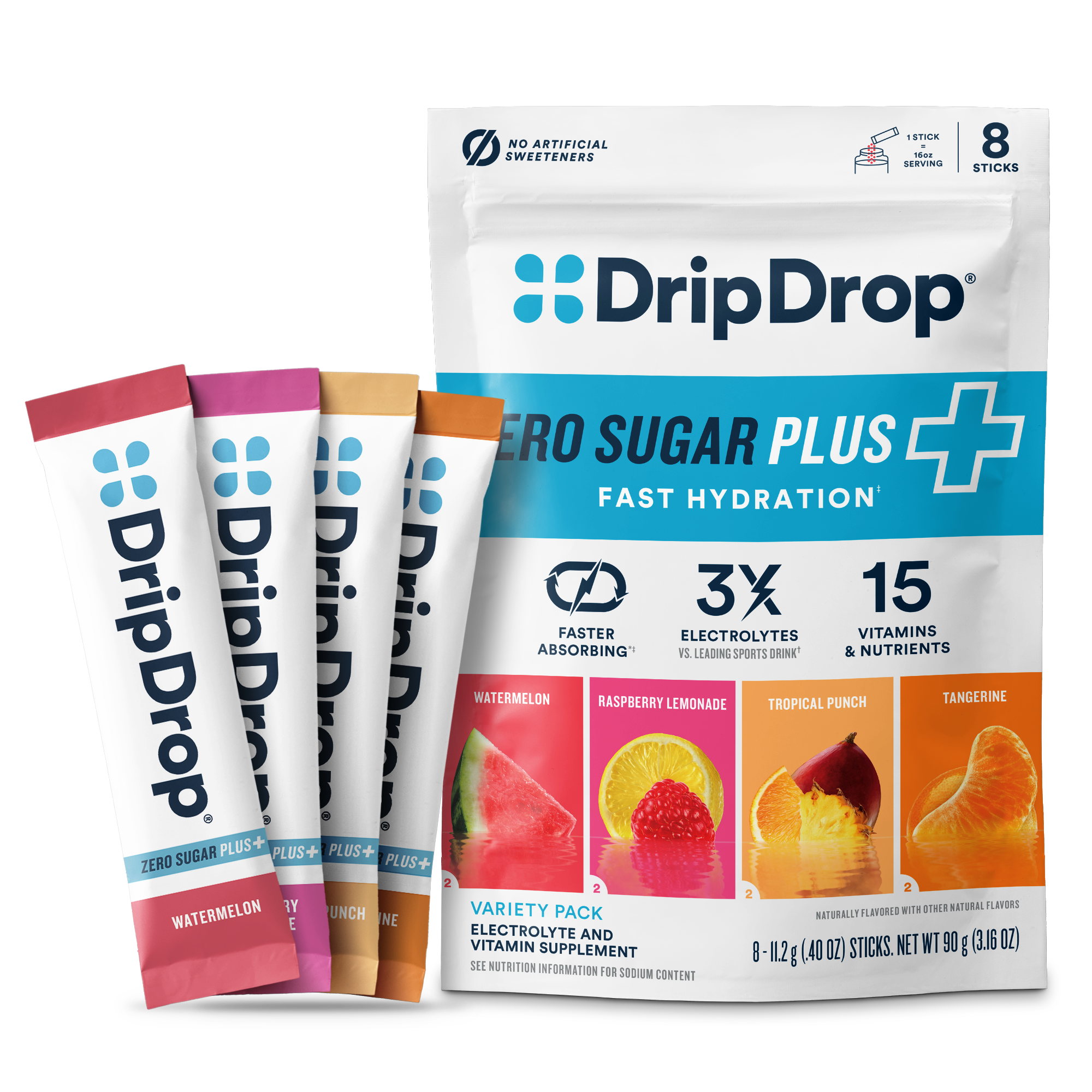
This electrolyte product contains beneficial ingredients such as sodium citrate, potassium citrate, and magnesium citrate, which are essential for maintaining electrolyte balance and supporting muscle function. However, it includes a high amount of added sugars, which can contribute to excessive calorie intake and blood sugar spikes. The presence of natural flavors and silicon dioxide as additives also slightly detracts from its overall formulation quality.
Key ingredients 11
Sodium CitrateGood
Sodium citrate is a salt of citric acid that acts as an electrolyte and helps maintain pH balance in the body. It is used to enhance hydration and prevent muscle cramps. It is generally recognized as safe and beneficial in electrolyte formulations.
Benefits
Supports hydration and electrolyte balance, especially during physical activity.
Potassium CitrateGood
Potassium citrate is a potassium salt that helps maintain electrolyte balance and supports muscle function. It is beneficial for preventing kidney stones and managing blood pressure. It is a high-quality ingredient in electrolyte supplements.
Benefits
Supports cardiovascular health and muscle function, and helps prevent kidney stones.
Magnesium CitrateGood
Magnesium citrate is a magnesium salt that supports muscle and nerve function, and helps maintain bone health. It is well-absorbed and beneficial in preventing magnesium deficiency. It is a high-quality ingredient in electrolyte supplements.
Benefits
Supports muscle relaxation, nerve function, and bone health.
SaltGood
Salt is a source of sodium, an essential electrolyte that helps maintain fluid balance and nerve function. It is crucial for hydration and muscle function, especially during exercise. It is a beneficial ingredient in controlled amounts.
Risks
Excessive salt intake can lead to high blood pressure and cardiovascular issues.
Benefits
Supports hydration and electrolyte balance, especially during physical activity.
Ascorbic AcidGood
Ascorbic acid, also known as vitamin C, is an essential nutrient that supports immune function and acts as an antioxidant. It helps protect cells from damage and supports collagen synthesis. It is a beneficial addition to supplements for its health-promoting properties.
Benefits
Supports immune health and acts as an antioxidant.
Citric AcidNeutral
Citric acid is a natural acid found in citrus fruits, used as a preservative and flavor enhancer. It is generally recognized as safe and commonly used in food products. While it provides a tangy flavor, it has no significant nutritional benefits.
Risks
Excessive consumption may cause dental erosion due to its acidic nature.
Silicon DioxideNeutral
Silicon dioxide is an anti-caking agent used to prevent clumping in powdered products. It is generally recognized as safe and has no significant nutritional impact. It is a common additive in food products.
See more about Silicon Dioxide →SugarBad
Sugar is a simple carbohydrate that provides quick energy but can contribute to excessive calorie intake and blood sugar spikes. It is highly processed and lacks nutritional value beyond energy. Excessive consumption is linked to obesity, diabetes, and dental issues.
Risks
High sugar intake can lead to weight gain, insulin resistance, and increased risk of chronic diseases.
FructoseBad
Processed additive flagged under Scout's ingredient doctrine.
Risks
High fructose consumption can lead to liver fat accumulation and metabolic issues.
Benefits
Provides energy and sweetness, but benefits are limited when consumed in excess.
DextroseBad
Refined added sugar.
Risks
Excessive intake can lead to weight gain and blood sugar spikes.
Benefits
Provides quick energy, especially useful during intense physical activity.
Natural FlavorBad
Umbrella term that can hide dozens of undisclosed synthetic constituents.
Risks
Lack of transparency can be a concern for those with allergies or sensitivities.
Benefits
Enhances flavor without adding calories or sugar.
Processing
Processed Foods
Get the full breakdown in the Scout appTake Scout shopping
Scan any product to see lab results, healthy alternatives, and your personalized analysis.
Download on theApp Store GET IT ONGoogle Play