



At a glance
Summary
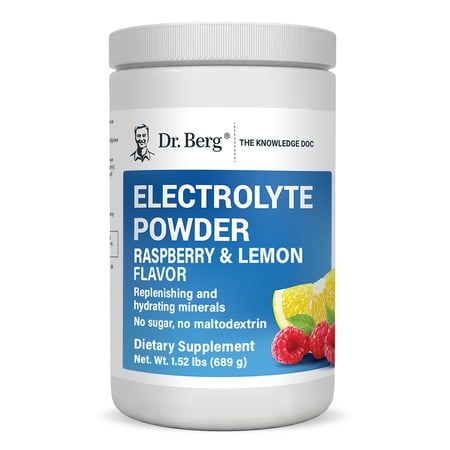
This electrolyte product contains beneficial minerals like potassium and magnesium, which are essential for maintaining fluid balance and muscle function. However, the presence of sucralose, an artificial sweetener, raises concerns due to potential negative effects on gut health. Additionally, the use of unspecified flavorings suggests a lack of transparency, which can be problematic for consumers seeking clean labels.
Key ingredients 8
PotassiumGood
Potassium is an essential mineral that plays a crucial role in maintaining fluid balance and proper muscle function. It is beneficial for heart health and helps in reducing blood pressure. Adequate potassium intake is important for overall health and can counteract the effects of sodium.
Risks
Excessive intake can lead to hyperkalemia, which can cause heart problems.
Benefits
Supports cardiovascular health and helps maintain electrolyte balance.
MagnesiumGood
Magnesium is a vital mineral involved in over 300 biochemical reactions in the body, including energy production and muscle function. It is beneficial for bone health and can help reduce muscle cramps. Magnesium is also known to support a healthy immune system.
Risks
High doses can cause diarrhea and abdominal cramping.
Benefits
Promotes muscle relaxation and supports bone health.
VitaminsGood
The included vitamins (niacin, B6, folic acid, biotin, B12) are essential nutrients that support various bodily functions. They are beneficial for energy metabolism and maintaining healthy skin, nerves, and blood cells. These vitamins are crucial for overall health and well-being.
Benefits
Support energy production and contribute to overall health.
Carbonated WaterNeutral
Carbonated water is simply water infused with carbon dioxide gas under pressure. It is generally considered neutral as it does not provide significant nutritional benefits or risks. It serves as a base for the beverage without adding calories or sugars.
See more about Carbonated Water →CaffeineNeutral
Caffeine is a natural stimulant commonly found in coffee and tea. It is neutral in this context as it can enhance alertness and performance but may cause jitteriness in sensitive individuals. The source of caffeine is not specified, but it is typically considered neutral unless synthetic.
Risks
Excessive consumption can lead to insomnia, nervousness, and increased heart rate.
Benefits
Can improve focus and energy levels temporarily.
Acidity RegulatorsNeutral
Citric acid is commonly used as an acidity regulator to enhance flavor and preserve freshness. It is generally recognized as safe and neutral in terms of health impact. It helps maintain the stability and taste of the product.
Risks
Excessive consumption may cause tooth enamel erosion.
Benefits
Helps maintain product stability and enhances flavor.
FlavouringsBad
Flavourings can include a variety of natural and artificial compounds to enhance taste. The lack of specificity raises concerns about potential artificial additives. They are often criticized for lack of transparency and potential health impacts.
Risks
Potential for containing artificial additives that may have health concerns.
Benefits
Enhances the taste of the product.
SweetenerBad
Sucralose is an artificial sweetener used to provide sweetness without calories. It is considered bad due to potential negative effects on gut health and metabolism. While it is FDA-approved, some studies suggest it may alter gut microbiota.
Risks
May negatively impact gut health and alter glucose metabolism.
Benefits
Provides sweetness without adding calories.
Processing
Processed Foods
Get the full breakdown in the Scout appTake Scout shopping
Scan any product to see lab results, healthy alternatives, and your personalized analysis.
Download on theApp Store GET IT ONGoogle Play