
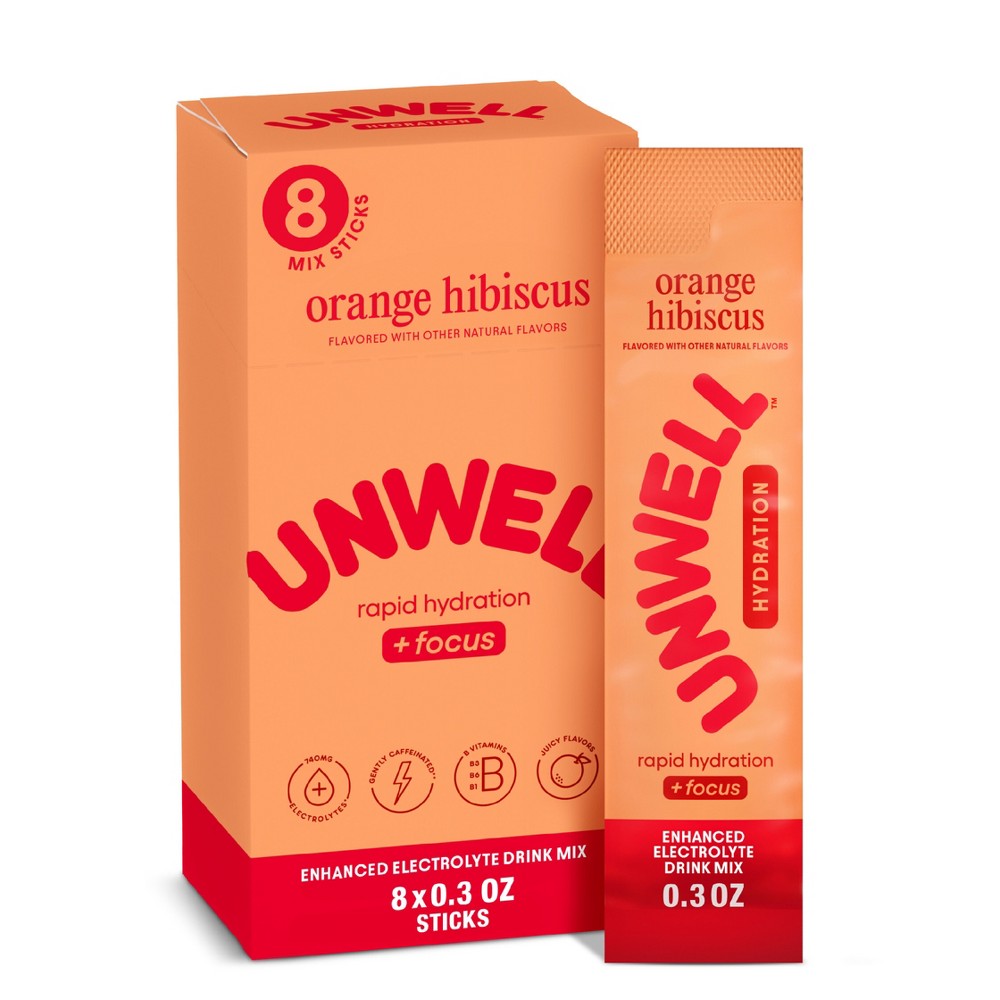



Unwell Hydration Electrolyte Stick Pack for Rapid Hydration - Orange Hibiscus - 8pk
Analysis updated August 2026 · How Scout scores
At a glance
Summary
This electrolyte supplement contains beneficial ingredients like magnesium sulfate and potassium bicarbonate, which support hydration and electrolyte balance. However, it includes a significant amount of cane sugar, which can contribute to excessive calorie intake and potential health issues. The use of natural flavors, while common, lacks transparency and could include various undisclosed additives. Despite these concerns, the product avoids artificial dyes and sweeteners, maintaining a relatively clean formulation.
Key ingredients 14
Sodium CitrateGood
Beneficial ingredient — whole-food or functional value in this product class.
Benefits
Helps regulate acidity and stabilize emulsions in food products.
SaltGood
Beneficial ingredient — whole-food or functional value in this product class.
Risks
Excessive salt intake can lead to high blood pressure and increased risk of heart disease.
Benefits
Essential for maintaining fluid balance and nerve function.
Potassium BicarbonateGood
Potassium bicarbonate is a source of potassium, an essential electrolyte that helps maintain fluid balance and proper muscle function. It is beneficial in electrolyte supplements to prevent dehydration. Potassium is vital for heart health and muscle contractions.
Risks
Excessive potassium intake can lead to hyperkalemia, affecting heart function.
Benefits
Helps maintain fluid balance and supports heart and muscle health.
Beta CaroteneGood
Beneficial ingredient — whole-food or functional value in this product class.
Benefits
Provides natural coloring and is a precursor to vitamin A.
NiacinamideGood
Niacinamide, or vitamin B3, is essential for energy metabolism and skin health. It is commonly included in supplements to support overall health. It plays a role in converting food into energy and maintaining healthy skin.
Risks
Excessive intake can cause skin flushing and liver issues.
Benefits
Supports energy metabolism and contributes to healthy skin.
Pyridoxine HydrochlorideGood
Pyridoxine hydrochloride, or vitamin B6, is important for protein metabolism and cognitive development. It is included in supplements to support brain health and energy production. It aids in the production of neurotransmitters and red blood cells.
Risks
High doses can lead to nerve damage over time.
Benefits
Supports brain health and energy production.
Thiamin MononitrateGood
Thiamin mononitrate, or vitamin B1, is crucial for carbohydrate metabolism and nerve function. It is often added to supplements to enhance energy production. It helps convert carbohydrates into energy and supports nervous system health.
Benefits
Enhances energy production and supports nerve function.
Citric AcidNeutral
Citric acid is a natural preservative and flavor enhancer commonly used in food and beverages. It is generally recognized as safe and is naturally found in citrus fruits. It can help enhance flavor and preserve freshness without significant health concerns.
Benefits
Helps enhance flavor and preserve freshness in food products.
Magnesium SulfateNeutral
Standard formulation ingredient — neither beneficial nor harmful at typical use.
Risks
Excessive intake can lead to digestive issues such as diarrhea.
Benefits
Supports muscle and nerve function and helps maintain electrolyte balance.
Vegetable Juice ConcentrateNeutral
Vegetable juice concentrate is used for natural coloring in food products. It is generally considered safe and provides a natural alternative to artificial dyes. It does not significantly impact the nutritional profile of the product.
Benefits
Provides natural coloring without artificial additives.
Green Coffee ExtractNeutral
Green coffee extract is a natural source of caffeine, commonly used for its stimulant effects. It is derived from unroasted coffee beans and is considered a natural caffeine source. It can enhance alertness and energy levels.
Risks
Excessive caffeine intake can lead to jitteriness and increased heart rate.
Benefits
Provides a natural source of caffeine for increased alertness.
Stevia Leaf ExtractNeutral
Stevia leaf extract is a natural, zero-calorie sweetener derived from the stevia plant. It is used as a sugar substitute and is generally considered safe. It provides sweetness without the calories associated with sugar.
Benefits
Offers a calorie-free alternative to sugar, suitable for reducing sugar intake.
Cane SugarBad
Cane sugar is a source of added sugars, which can contribute to excessive calorie intake and potential weight gain. It is highly processed and lacks nutritional benefits beyond providing energy. Excessive consumption of added sugars is linked to various health issues, including obesity and metabolic syndrome.
Risks
High intake of added sugars can lead to increased risk of obesity, type 2 diabetes, and heart disease.
Benefits
Provides quick energy but lacks essential nutrients.
Natural FlavorBad
Natural flavors are often used to enhance taste but can be a catch-all term for various additives. The lack of transparency in what constitutes 'natural flavor' can be concerning. It may include a variety of compounds that are not disclosed to consumers.
Risks
Potential for undisclosed additives and allergens.
Benefits
Enhances the flavor of food products.
Processing
Ultra-Processed Foods
Get the full breakdown in the Scout appTake Scout shopping
Scan any product to see lab results, healthy alternatives, and your personalized analysis.
Download on theApp Store GET IT ONGoogle Play