


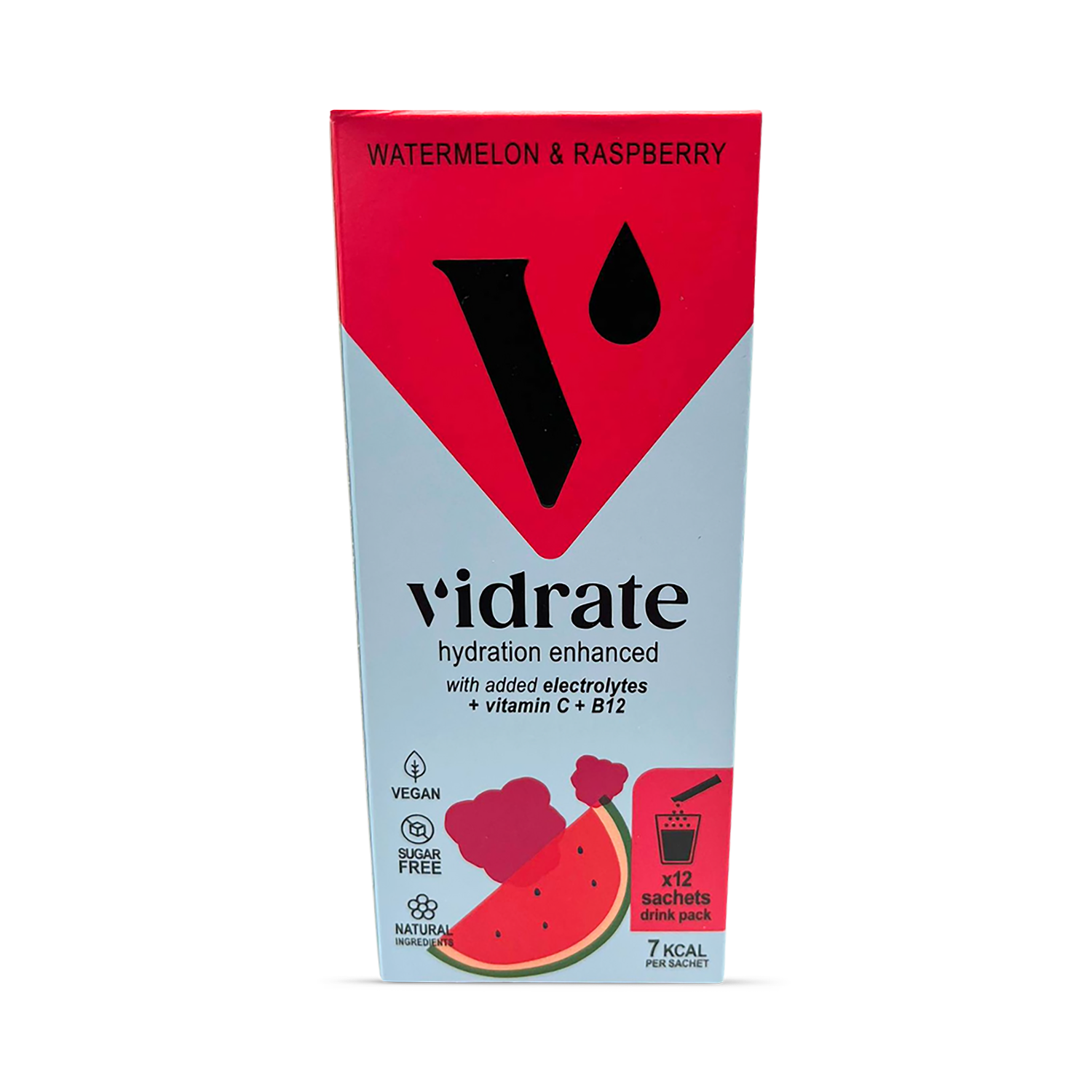
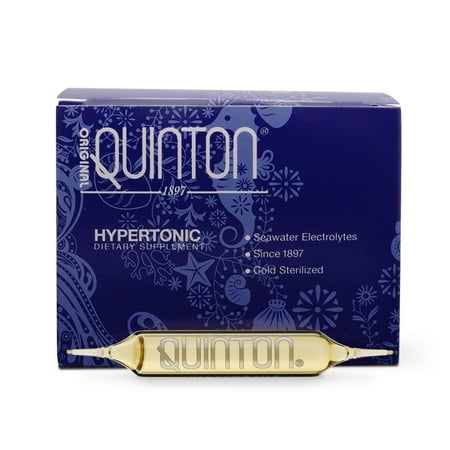
At a glance
Summary
This electrolyte supplement contains beneficial ingredients like BCAAs, potassium citrate, and magnesium, which support muscle recovery and electrolyte balance. However, the presence of maltodextrin, a highly processed carbohydrate, contributes to rapid blood sugar spikes and lacks nutritional value. The product's formulation includes added sugars, which detract from its overall healthiness compared to cleaner, low-sugar electrolyte formulas.
Key ingredients 10
BCAAGood
Branched-chain amino acids (BCAA) are essential nutrients that help support muscle growth and recovery. They are particularly beneficial for athletes and those engaging in intense physical activity. BCAAs can reduce muscle soreness and improve exercise performance.
Benefits
Supports muscle growth, recovery, and reduces muscle soreness.
L-LeucineGood
L-Leucine is a key amino acid in protein synthesis and muscle repair. It plays a critical role in muscle growth and recovery, making it valuable for athletes. It is one of the most important BCAAs for stimulating muscle protein synthesis.
Benefits
Promotes muscle protein synthesis and aids in muscle recovery.
L-IsoleucineGood
L-Isoleucine is an essential amino acid that supports energy production and muscle recovery. It is important for hemoglobin production and regulating blood sugar levels. It works synergistically with other BCAAs to enhance endurance and muscle repair.
Benefits
Supports energy production and muscle recovery.
L-ValineGood
L-Valine is an essential amino acid that aids in muscle metabolism and tissue repair. It is crucial for maintaining nitrogen balance in the body and is often used to improve muscle growth and repair. It works with other BCAAs to enhance physical performance.
Benefits
Aids in muscle metabolism and tissue repair.
Potassium CitrateGood
Potassium citrate is used to prevent kidney stones and maintain proper electrolyte balance. It is beneficial for cardiovascular health and muscle function. It helps in reducing the risk of kidney stones by alkalizing urine.
Benefits
Supports cardiovascular health and prevents kidney stones.
MagnesiumGood
Magnesium is an essential mineral involved in over 300 biochemical reactions in the body. It supports muscle and nerve function, bone health, and energy production. Adequate magnesium intake is crucial for maintaining overall health and preventing muscle cramps.
Benefits
Supports muscle and nerve function, bone health, and energy production.
SucroseNeutral
Sucrose is a common sugar that provides energy but can contribute to excessive calorie intake if not moderated. It is a natural sweetener but lacks additional nutritional benefits. Overconsumption can lead to health issues such as obesity and dental cavities.
Risks
Excessive intake can lead to obesity and dental issues.
Benefits
Provides a quick source of energy.
Sodium CitrateNeutral
Sodium citrate is used as an acidity regulator and can help maintain electrolyte balance. It is generally recognized as safe but can contribute to sodium intake. It is beneficial in sports drinks for preventing muscle cramps.
Risks
May contribute to excessive sodium intake if consumed in large amounts.
Benefits
Helps maintain electrolyte balance and prevent muscle cramps.
MaltodextrinBad
Maltodextrin is a highly processed carbohydrate with a high glycemic index, which can cause rapid spikes in blood sugar levels. It is often used as a filler or thickener in processed foods, contributing to its negative classification. While it provides quick energy, it lacks nutritional value and can contribute to weight gain if consumed in excess.
Risks
High glycemic index may lead to blood sugar spikes and potential weight gain.
Benefits
Provides quick energy due to its rapid absorption.
FructoseBad
Processed additive flagged under Scout's ingredient doctrine.
Risks
Excessive consumption may lead to metabolic issues and liver fat accumulation.
Benefits
Natural sweetener with a lower glycemic index than glucose.
Processing
Processed Foods
Get the full breakdown in the Scout appTake Scout shopping
Scan any product to see lab results, healthy alternatives, and your personalized analysis.
Download on theApp Store GET IT ONGoogle Play