
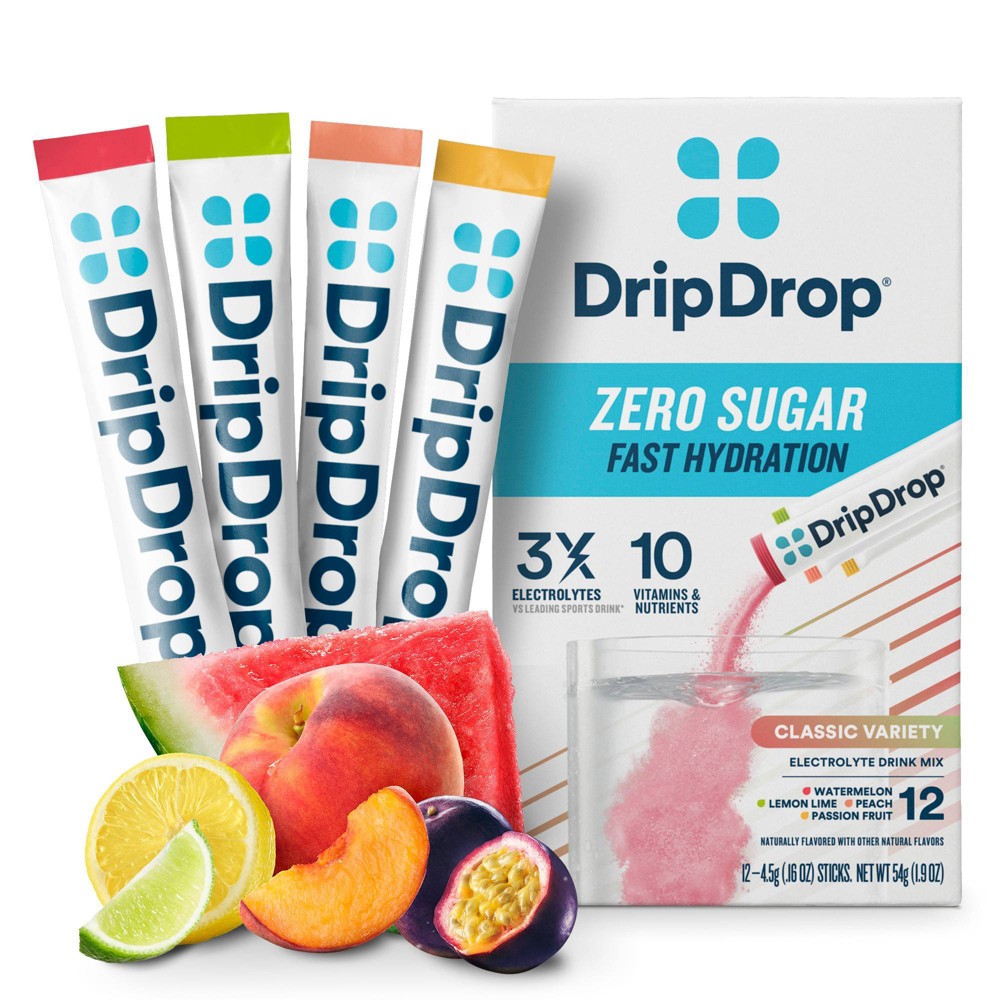


DripDrop Zero Sugar Hydration Powder Vegan Electrolyte Supplements: Kosher, Gluten-Free, Non-GMO, 12 Pack, 1.9oz
Analysis updated August 2026 · How Scout scores
At a glance
Summary
This electrolyte supplement contains beneficial ingredients like sodium citrate, potassium citrate, and magnesium citrate, which are essential for hydration and muscle function. However, the presence of sucralose, an artificial sweetener, and natural flavors, which lack transparency, slightly detracts from its overall health profile. The product is moderately processed, but it avoids artificial dyes and excessive fillers, maintaining a relatively clean formulation.
Key ingredients 17
Sodium CitrateGood
Sodium citrate is a salt of citric acid that helps maintain electrolyte balance in the body. It is commonly used in hydration products to enhance fluid absorption. It can also help prevent muscle cramps during intense physical activity.
Risks
Excessive intake may lead to sodium overload, potentially increasing blood pressure.
Benefits
Supports hydration and electrolyte balance, crucial for muscle function and nerve signaling.
Potassium CitrateGood
Potassium citrate is a potassium salt of citric acid that helps regulate fluid balance and nerve signals. It is beneficial for maintaining proper muscle function and preventing cramps. It also helps in reducing the risk of kidney stones.
Risks
Excessive intake can lead to hyperkalemia, which can affect heart function.
Benefits
Essential for maintaining electrolyte balance and supporting cardiovascular health.
Magnesium CitrateGood
Magnesium citrate is a magnesium salt of citric acid, known for its high bioavailability. It supports muscle and nerve function and helps in energy production. It is often used to prevent magnesium deficiency.
Risks
Excessive intake can cause diarrhea and abdominal discomfort.
Benefits
Supports muscle relaxation, nerve function, and energy metabolism.
SaltGood
Salt is essential for maintaining fluid balance and nerve function. It is a key electrolyte that helps in muscle contraction and hydration. In moderation, it is crucial for maintaining blood pressure and overall health.
Risks
Excessive consumption can lead to hypertension and cardiovascular issues.
Benefits
Supports hydration and electrolyte balance, crucial for muscle function and nerve signaling.
Ascorbic Acid (Vitamin C)Good
Ascorbic acid is a form of vitamin C, an essential nutrient and antioxidant. It supports immune function and skin health and aids in the absorption of iron. It is crucial for the repair and growth of tissues in the body.
Risks
High doses can cause gastrointestinal discomfort and kidney stones.
Benefits
Boosts immune function and acts as a powerful antioxidant.
Turmeric For ColorGood
Turmeric is a natural spice used for its vibrant color and potential health benefits. It contains curcumin, which has anti-inflammatory and antioxidant properties. It is a healthier alternative to artificial colorants.
Benefits
Contains curcumin, which may reduce inflammation and provide antioxidant benefits.
Zinc AspartateGood
Zinc aspartate is a form of zinc used for its high bioavailability. Zinc is essential for immune function, wound healing, and DNA synthesis. It is a crucial mineral for overall health and well-being.
Risks
Excessive zinc intake can lead to nausea and interfere with copper absorption.
Benefits
Supports immune function and plays a role in numerous enzymatic reactions.
Niacinamide (Vitamin B3)Good
Niacinamide is a form of vitamin B3 that supports energy metabolism and skin health. It is involved in DNA repair and the production of stress-related hormones. It is essential for converting food into energy.
Risks
High doses can cause flushing and liver damage.
Benefits
Supports energy production and skin health.
Calcium Pantothenate (Vitamin B5)Good
Calcium pantothenate is a form of vitamin B5, essential for synthesizing coenzyme A and metabolizing carbohydrates, proteins, and fats. It supports adrenal function and the production of red blood cells. It is crucial for maintaining healthy skin and hair.
Benefits
Supports energy metabolism and the synthesis of essential coenzymes.
Pyridoxine Hydrochloride (Vitamin B6)Good
Pyridoxine hydrochloride is a form of vitamin B6, important for brain health and neurotransmitter synthesis. It aids in the production of serotonin and norepinephrine and supports immune function. It is crucial for protein metabolism and cognitive development.
Risks
High doses can cause nerve damage and sensory neuropathy.
Benefits
Supports brain health and neurotransmitter production.
Cyanocobalamin (Vitamin B12)Good
Cyanocobalamin is a synthetic form of vitamin B12, essential for nerve function and the production of DNA and red blood cells. It is crucial for maintaining energy levels and cognitive function. It is especially important for vegetarians and vegans who may have limited dietary sources of B12.
Benefits
Supports nerve health and the production of red blood cells.
Citric AcidNeutral
Citric acid is a natural acid found in citrus fruits, used as a flavoring and preservative. It enhances the taste of the product and acts as a natural preservative. It is generally recognized as safe when consumed in moderate amounts.
Risks
High consumption can lead to tooth enamel erosion.
Silicon DioxideNeutral
Silicon dioxide is used as an anti-caking agent to prevent clumping in powdered products. It is naturally occurring and generally recognized as safe in small amounts. It does not contribute any nutritional value.
See more about Silicon Dioxide →Fruit And Vegetable Juice For ColorNeutral
Fruit and vegetable juices are used as natural colorants in food products. They provide color without the need for artificial dyes. While they add visual appeal, they do not contribute significant nutritional value in small amounts.
Benefits
Provides natural coloring without artificial additives.
MaltodextrinBad
Processed additive flagged under Scout's ingredient doctrine.
Risks
May cause spikes in blood sugar levels, especially in individuals with insulin sensitivity.
Benefits
Provides a quick source of energy, beneficial during intense physical activities.
Natural FlavorBad
Natural flavors are complex mixtures created by flavorists to enhance taste, but their exact composition is often undisclosed. They can contain hundreds of chemicals, some of which may not be beneficial. The lack of transparency can be concerning for consumers seeking clean labels.
Risks
Potential allergens or sensitivities due to undisclosed ingredients.
SucraloseBad
Sucralose is an artificial sweetener used to provide sweetness without calories. It is much sweeter than sugar and is often used in diet products. Concerns exist about its potential impact on gut health and insulin response.
Risks
May affect gut microbiota and insulin sensitivity in some individuals.
Benefits
Provides sweetness without adding calories, beneficial for weight management.
Processing
Ultra-Processed Foods
Get the full breakdown in the Scout appTake Scout shopping
Scan any product to see lab results, healthy alternatives, and your personalized analysis.
Download on theApp Store GET IT ONGoogle Play