


At a glance
Summary
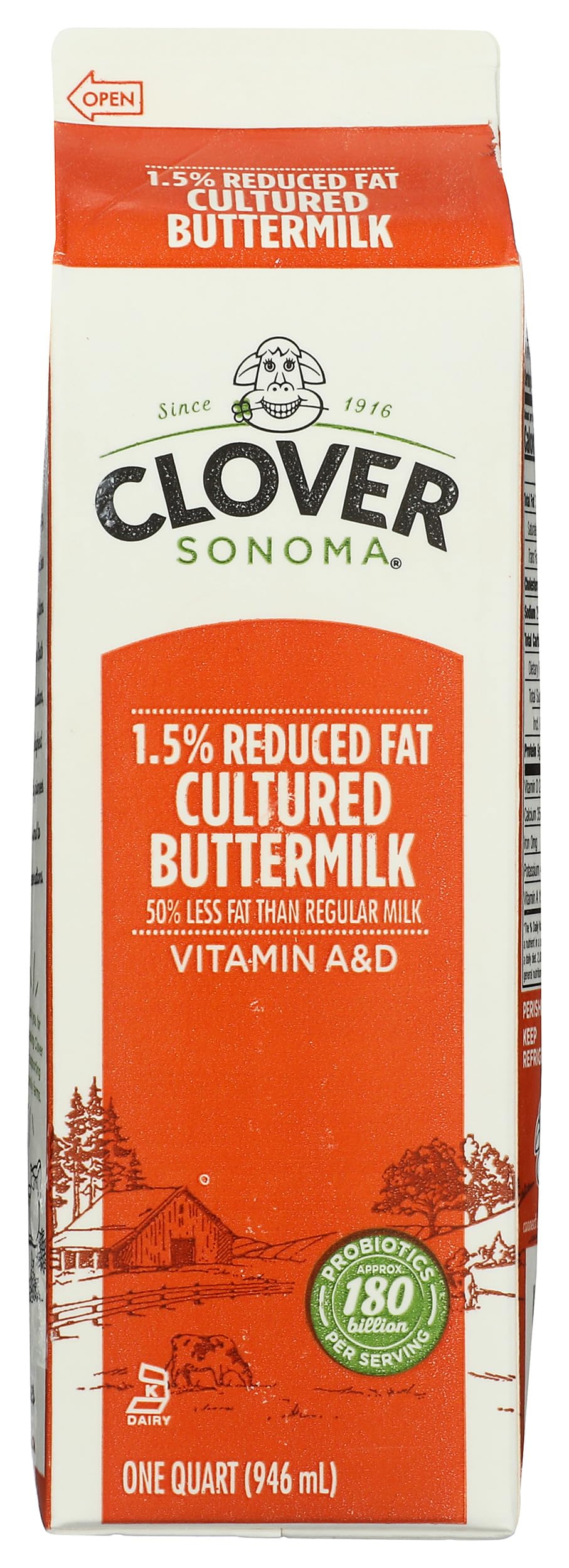
This low-fat cultured buttermilk is a processed product but maintains a relatively clean ingredient list with beneficial components like cultured lowfat milk and added vitamins A and D3. The presence of sodium citrate as an additive is minimal and does not significantly detract from its nutritional profile. The product is fortified to enhance its health benefits, but its processing level limits its maximum score.
Key ingredients 6
Cultured lowfat milkGood
Cultured lowfat milk is a source of probiotics which can support gut health. It is made by fermenting milk with beneficial bacteria, enhancing its nutritional profile. The fermentation process can improve lactose digestion for some individuals.
Benefits
Provides probiotics that may improve gut health and digestion. Contains essential nutrients like calcium and protein.
Vitamin D3Good
Vitamin D3 is crucial for calcium absorption and bone health. It is often added to dairy products to enhance their nutritional value. Adequate vitamin D levels are important for immune function and overall health.
Benefits
Enhances calcium absorption, supporting bone health and immune function.
Nonfat milkNeutral
Standard formulation ingredient — neither beneficial nor harmful at typical use.
Benefits
Rich in calcium and protein, supporting bone health and muscle maintenance.
SaltNeutral
Salt is used to enhance flavor and preserve food. It is a common ingredient in many processed foods. While necessary for bodily functions, excessive intake can lead to health issues.
Risks
High sodium intake can contribute to hypertension and cardiovascular diseases.
Benefits
Essential for maintaining fluid balance and nerve function in the body.
Sodium citrateNeutral
Sodium citrate is used as an emulsifier and acidity regulator in foods. It is a salt derived from citric acid and is generally recognized as safe. It helps maintain the stability and texture of dairy products.
Benefits
Helps maintain product stability and texture, improving the overall quality of the food.
Vitamin A palmitateNeutral
Standard formulation ingredient — neither beneficial nor harmful at typical use.
Risks
Excessive intake of vitamin A can lead to toxicity, but this is unlikely from fortified foods alone.
Benefits
Supports vision, immune function, and skin health. Helps prevent vitamin A deficiency.
Processing
Processed Foods
Get the full breakdown in the Scout appTake Scout shopping
Scan any product to see lab results, healthy alternatives, and your personalized analysis.
Download on theApp Store GET IT ONGoogle Play