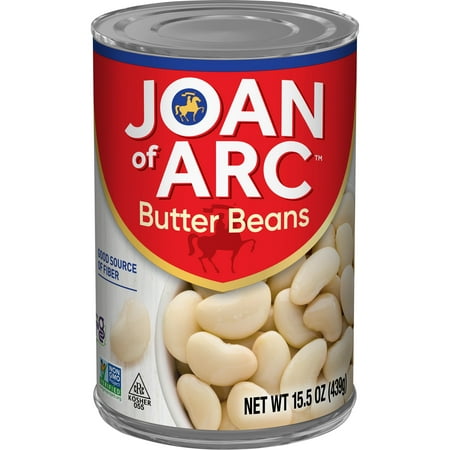
BUTTER BEANS
At a glance
Summary
This product consists primarily of butter beans, which are minimally processed and provide a good source of protein and fiber. However, the presence of synthetic additives like calcium disodium EDTA and sodium metabisulfite, used for color retention and preservation, slightly detracts from its overall healthiness. Despite these additives, the product remains relatively healthy due to its simple ingredient list and minimal processing.
Key ingredients 6
Prepared butter beansGood
Butter beans are a good source of protein and fiber, contributing to a balanced diet. They are minimally processed, retaining most of their natural nutrients. Compared to other legumes, they offer a moderate amount of carbohydrates and protein.
Benefits
Rich in dietary fiber and protein, which support digestive health and muscle maintenance.
WaterNeutral
Water is used as a medium for cooking and preserving the beans. It is a neutral ingredient with no direct nutritional impact. Its presence ensures the beans remain hydrated and palatable.
See more about Water →SaltNeutral
Salt is used to enhance flavor and preserve the beans. It is a common additive in canned goods, providing essential sodium. However, excessive consumption can lead to health issues like hypertension.
Risks
High sodium intake may contribute to elevated blood pressure and cardiovascular issues.
Benefits
Provides essential sodium, which is necessary for maintaining fluid balance and nerve function.
Calcium chlorideNeutral
Calcium chloride is used as a firming agent to maintain the texture of the beans. It is generally recognized as safe when used in small amounts. It does not significantly alter the nutritional profile of the product.
Benefits
Helps maintain the firmness and texture of the beans, ensuring a better eating experience.
Calcium disodium edtaBad
Calcium disodium EDTA is a synthetic additive used to retain color and prevent spoilage. It is considered safe in small amounts but is not a natural ingredient. Its presence indicates a level of processing that may not be ideal for those seeking minimally processed foods.
Risks
May cause digestive upset or allergic reactions in sensitive individuals.
Benefits
Helps maintain the color and freshness of the product, extending shelf life.
Sodium metabisulfiteBad
Sodium metabisulfite is a preservative used to maintain freshness and prevent spoilage. It is a synthetic additive that can cause allergic reactions in sensitive individuals. Its use is common in processed foods to extend shelf life.
Risks
Can cause allergic reactions, particularly in individuals with asthma or sulfite sensitivity.
Benefits
Helps preserve the freshness of the product, preventing spoilage and extending shelf life.
Processing
Unprocessed or Minimally Processed Foods
Get the full breakdown in the Scout appTake Scout shopping
Scan any product to see lab results, healthy alternatives, and your personalized analysis.
Are you Joan Of Arc? Fix an error Get the badge Get tested