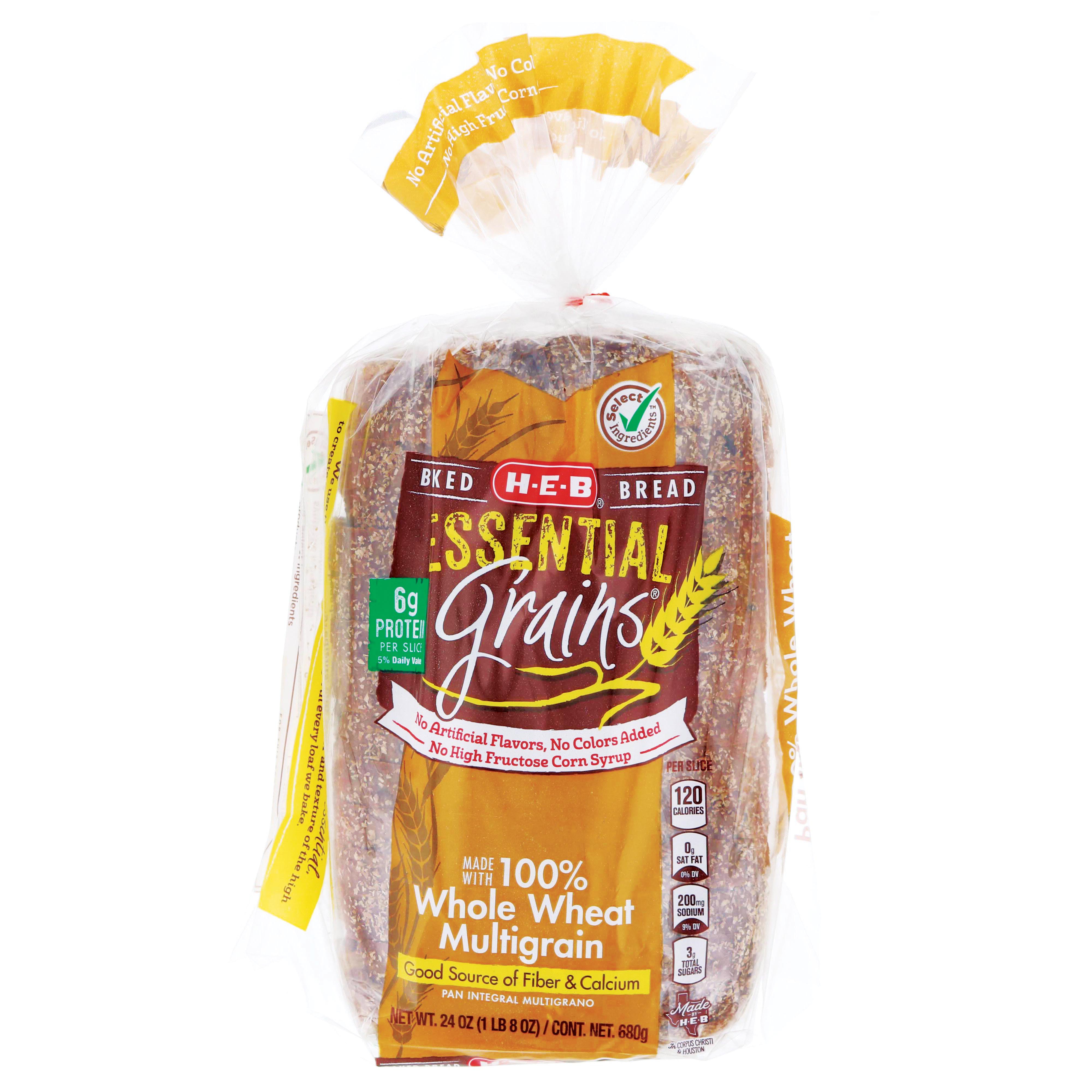
Whole Wheat Pita

At a glance
Summary
This whole wheat pita is made primarily from whole wheat flour, which is a good source of dietary fiber and nutrients, contributing to its health benefits. The ingredient list is relatively clean, with minimal additives and no harmful substances like seed oils or artificial sweeteners. However, it is a processed food, which limits its score potential, and it contains natural mold inhibitors and raw sugar, which slightly detract from its overall healthiness.
Key ingredients 10
Whole Wheat FlourGood
Whole wheat flour is a good source of dietary fiber and essential nutrients. It is less processed than refined flour, retaining more of the grain's natural vitamins and minerals. This contributes to better digestive health and sustained energy levels.
Benefits
Rich in fiber, which aids in digestion and helps maintain stable blood sugar levels. Provides essential nutrients like B vitamins and iron.
Sea SaltGood
Sea salt is a minimally processed source of sodium and trace minerals. It enhances the flavor of the bread and provides essential electrolytes. Unlike refined salt, it retains natural minerals that can be beneficial to health.
Risks
Excessive consumption of salt can lead to high blood pressure and cardiovascular issues.
Benefits
Provides essential electrolytes and enhances flavor. Contains trace minerals that may support overall health.
WaterNeutral
Water is a neutral ingredient used as a solvent and to provide moisture. It is essential for the dough formation and texture of the pita. It does not contribute any calories or nutrients.
See more about Water →Wheat GlutenNeutral
Wheat gluten is added to improve the elasticity and texture of the dough. It is a protein found naturally in wheat and is used to enhance the structural integrity of baked goods. While it is beneficial for texture, it may cause issues for those with gluten sensitivities.
Risks
May cause adverse reactions in individuals with gluten intolerance or celiac disease.
Benefits
Improves the texture and elasticity of baked goods, making them more palatable.
YeastNeutral
Yeast is a natural leavening agent that helps the dough rise. It ferments sugars to produce carbon dioxide, which creates air pockets in the dough. This ingredient is essential for the texture and flavor of the bread.
Benefits
Contributes to the leavening and flavor of the bread, making it light and airy.
Raw SugarNeutral
Raw sugar is a less refined form of sugar that retains some molasses content. It is used to add sweetness and aid in yeast fermentation. While it is less processed, it still contributes to overall sugar intake.
Risks
Excessive consumption of sugar can lead to health issues such as obesity and dental cavities.
Benefits
Provides a natural source of sweetness and aids in the fermentation process.
EnzymesNeutral
Enzymes are used to improve dough handling and extend shelf life. They are naturally occurring proteins that catalyze biochemical reactions. In baking, they help break down starches and proteins for better texture.
Benefits
Enhances dough quality and extends shelf life without the need for artificial preservatives.
Cultured Wheat StarchNeutral
Cultured wheat starch is used as a natural mold inhibitor. It is produced by fermenting wheat starch with beneficial bacteria. This process helps preserve the bread without synthetic additives.
Benefits
Acts as a natural preservative, extending the shelf life of the product.
Cultured Corn SyrupNeutral
Cultured corn syrup is used as a natural preservative to inhibit mold growth. It is created by fermenting corn syrup with beneficial bacteria. This ingredient helps maintain product freshness without artificial preservatives.
Benefits
Serves as a natural preservative, helping to extend the shelf life of the bread.
Fumaric AcidNeutral
Fumaric acid is a naturally occurring organic acid used to stabilize pH and improve shelf life. It is commonly used in baking to enhance dough strength and texture. This ingredient is generally recognized as safe when used in food products.
Benefits
Helps stabilize pH and improve the texture and shelf life of baked goods.
Processing
Processed Foods
Get the full breakdown in the Scout appTake Scout shopping
Scan any product to see lab results, healthy alternatives, and your personalized analysis.
Are you Damascus Bakeries? Fix an error Get the badge Get tested