
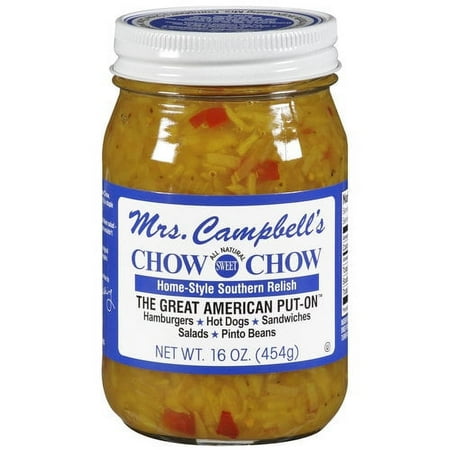


MRS. CAMPBELL'S, CHOW CHOW, HOME-STYLE SOUTHERN RELISH
Analysis updated August 2026 · How Scout scores
At a glance
Summary
This relish contains beneficial ingredients like cabbage, red bell peppers, and turmeric, which offer vitamins and antioxidants. However, it is heavily processed and includes refined sugar, contributing empty calories, and xanthan gum, a common additive in processed foods. The presence of these ingredients, along with its ultra-processed nature, limits its health score despite some nutritional benefits.
Key ingredients 12
CabbageGood
Cabbage is a nutrient-dense vegetable rich in vitamins C and K. It provides dietary fiber which supports digestive health. Its natural antioxidants may help reduce inflammation.
Benefits
Rich in vitamins and antioxidants, supporting overall health and reducing inflammation.
Red Bell PeppersGood
Red bell peppers are rich in vitamins A and C, and antioxidants. They add natural sweetness and color to the relish. Their nutrient profile supports immune function and skin health.
Benefits
High in vitamins and antioxidants, supporting immune health and reducing oxidative stress.
TurmericGood
Turmeric is a spice known for its anti-inflammatory and antioxidant properties. It contains curcumin, which has been studied for various health benefits. It adds color and potential health benefits to the relish.
Benefits
Contains curcumin, which may reduce inflammation and provide antioxidant benefits.
SpicesGood
Whole-food seasonings, antioxidant-bearing.
Benefits
Enhances flavor and may provide minor health benefits depending on the spices used.
VinegarNeutral
Vinegar is commonly used as a preservative and flavor enhancer. It is made through the fermentation of ethanol by acetic acid bacteria. While it adds tanginess, it does not provide significant nutritional benefits.
Risks
Excessive consumption may lead to enamel erosion and digestive discomfort.
Benefits
Acts as a natural preservative and flavor enhancer.
WaterNeutral
Water is used as a solvent and to adjust the consistency of the relish. It is essential for hydration but does not contribute additional nutrients in this context. Its presence is necessary for the product's texture and processing.
Benefits
Essential for hydration and product consistency.
Dried OnionsNeutral
Dried onions provide flavor and some nutrients like vitamin C and fiber. They are dehydrated for preservation and ease of use in processed foods. While they add flavor, their nutritional contribution is minimal in small quantities.
Risks
May cause digestive discomfort in sensitive individuals.
Benefits
Adds flavor and some nutrients like vitamin C and fiber.
Citric AcidNeutral
Citric acid is used as a preservative and to enhance flavor. It is naturally found in citrus fruits but is often industrially produced for food use. It helps maintain freshness and prevent spoilage.
Risks
Excessive intake may cause dental erosion and stomach upset.
Benefits
Acts as a preservative and flavor enhancer.
SaltNeutral
Salt is used for flavor enhancement and preservation. It is a common ingredient in processed foods to improve taste. While necessary for bodily functions, excessive intake can lead to health issues.
Risks
High sodium intake can increase blood pressure and risk of cardiovascular diseases.
Benefits
Enhances flavor and acts as a preservative.
Lactic AcidNeutral
Lactic acid is used as a preservative and acidity regulator. It is produced by fermentation and helps maintain the product's pH balance. It is generally recognized as safe in food applications.
Benefits
Helps preserve food and maintain acidity.
Xanthan GumNeutral
Fermentation-derived thickener, well tolerated at food-use levels.
Risks
May cause digestive discomfort such as bloating and gas in sensitive individuals.
Benefits
Provides texture and stability to food products.
SugarBad
Refined sugar is used to enhance sweetness but contributes empty calories. It can lead to weight gain and increased risk of metabolic diseases when consumed in excess. Its presence in processed foods is often linked to negative health outcomes.
Risks
High consumption can lead to obesity, diabetes, and dental issues.
Benefits
Provides quick energy but lacks essential nutrients.
Processing
Ultra-Processed Foods
Get the full breakdown in the Scout appTake Scout shopping
Scan any product to see lab results, healthy alternatives, and your personalized analysis.
Download on theApp Store GET IT ONGoogle Play