
BLEU CHEESE STUFFED OLIVES
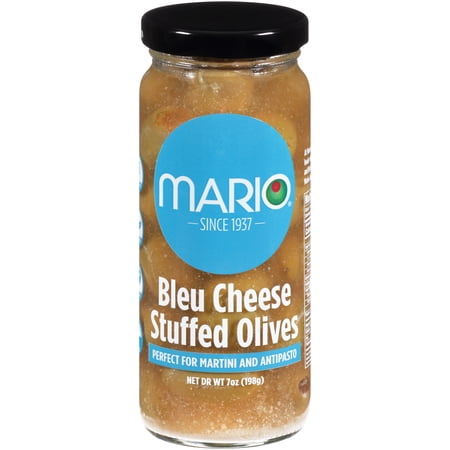
At a glance
Summary
This product contains beneficial ingredients like green olives and sea salt, which provide healthy fats and minerals. However, it is heavily processed with additives such as guar gum, xanthan gum, and sodium phosphate, which are used to enhance texture and shelf life rather than nutritional value. The presence of these additives and the high level of processing limit its overall healthiness despite the absence of seed oils or artificial colors.
Key ingredients 11
Green olivesGood
Green olives are a source of healthy monounsaturated fats and antioxidants. They are minimally processed and provide beneficial nutrients like vitamin E. Their natural fermentation process can support gut health.
Risks
High sodium content in olives may be a concern for individuals with hypertension.
Benefits
Rich in monounsaturated fats that support heart health and contain antioxidants that may reduce inflammation.
Sea saltGood
Sea salt is a natural source of sodium and trace minerals. It is less processed than regular table salt and retains beneficial minerals. It enhances flavor without the need for artificial additives.
Risks
Excessive consumption of sea salt can contribute to high blood pressure.
Benefits
Provides essential sodium and trace minerals that are important for maintaining electrolyte balance.
Blue cheeseNeutral
Blue cheese is a source of protein and calcium but is high in saturated fat. It is made using pasteurized cow's milk and beneficial cultures. The presence of Penicillium roqueforti adds unique flavors and potential probiotic benefits.
Risks
High in saturated fat, which may impact heart health if consumed in excess.
Benefits
Contains protein and calcium, supporting bone health and muscle maintenance.
Cow's milk cheeseNeutral
Cow's milk cheese provides protein and calcium but is also high in saturated fat. It is made from pasteurized milk and beneficial cultures. Cheese can be part of a balanced diet when consumed in moderation.
Risks
High in saturated fat, which may contribute to cardiovascular issues if overconsumed.
Benefits
Offers protein and calcium, essential for bone health and muscle function.
Mizithra cheeseNeutral
Mizithra cheese is a traditional Greek cheese made from whey and salt. It is lower in fat compared to other cheeses but still provides protein. Its simple processing retains natural flavors and nutrients.
Risks
Contains sodium, which may be a concern for those monitoring salt intake.
Benefits
Provides protein and can be a flavorful addition to dishes with lower fat content.
Sodium alginateNeutral
Sodium alginate is a natural thickener derived from brown seaweed. It is used to improve texture in foods and is generally considered safe. Its natural origin makes it preferable to synthetic alternatives.
Benefits
Provides a natural alternative to synthetic thickeners, with minimal impact on health.
Citric acidNeutral
Citric acid is a natural preservative and flavor enhancer found in citrus fruits. It is widely used in food processing for its acidic properties. Generally recognized as safe, it helps maintain freshness and flavor.
Benefits
Acts as a natural preservative and enhances flavor without adding calories.
Lactic acidNeutral
Lactic acid is a naturally occurring acid used to enhance flavor and preserve foods. It is produced through fermentation and is generally safe for consumption. Its presence can also support probiotic activity in fermented foods.
Benefits
May support gut health by promoting beneficial bacteria in fermented foods.
Guar gumBad
Guar gum is used as a thickening agent and stabilizer in foods. It is a processed ingredient that can cause digestive issues in some individuals. Its use in processed foods is often to improve texture rather than nutritional value.
Risks
May cause digestive discomfort, such as bloating or gas, in sensitive individuals.
Xanthan gumBad
Xanthan gum is a common food additive used for thickening and stabilizing. It is a highly processed ingredient derived from fermented sugars. While generally safe, it can cause digestive issues in some people.
Risks
Potential to cause digestive discomfort, such as bloating or diarrhea, in some individuals.
Sodium phosphateBad
Sodium phosphate is used as an emulsifier and preservative in processed foods. It is a synthetic additive that can affect kidney function if consumed in large amounts. Its presence in food is primarily for texture and shelf-life extension.
Risks
Excessive intake may lead to imbalances in phosphate levels, potentially impacting kidney health.
Processing
Ultra-Processed Foods
Get the full breakdown in the Scout appTake Scout shopping
Scan any product to see lab results, healthy alternatives, and your personalized analysis.
Are you Mario? Fix an error Get the badge Get tested


