
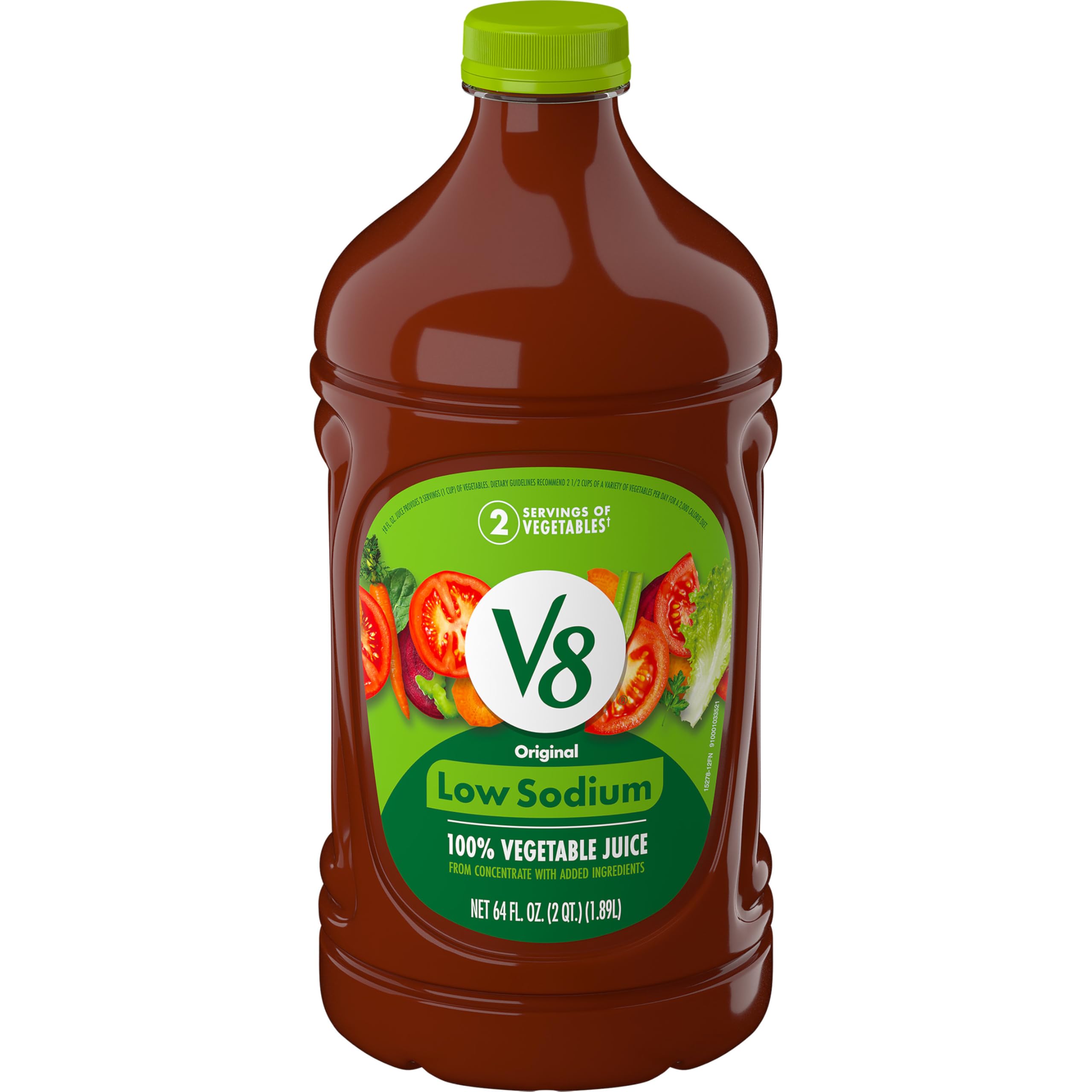


Low sodium 100% vegetable juice from concentrate, vegetable
Analysis updated October 2026 · How Scout scores
At a glance
Summary
This vegetable juice contains a variety of nutrient-rich concentrates, such as tomato, carrot, and beet, which contribute positively to its nutritional profile. However, the presence of 'natural flavors' and its classification as an ultra-processed product limit its score. Despite its beneficial ingredients, the processing level and lack of organic certification for a juice product further impact its rating.
Key ingredients 14
Tomato ConcentrateGood
Tomato concentrate is rich in vitamins A and C, and lycopene, an antioxidant that may reduce the risk of certain diseases. The concentration process retains most of the nutrients found in fresh tomatoes. It contributes to the flavor and nutritional value of the juice.
Benefits
Provides antioxidants and vitamins that support immune function and skin health.
Carrot Juice ConcentrateGood
Carrot juice concentrate is high in beta-carotene, which the body converts to vitamin A, essential for vision and immune health. The concentration process helps preserve the nutrient content. It adds a natural sweetness and nutritional boost to the juice.
Benefits
Rich in beta-carotene and vitamin A, supporting eye health and immune function.
Celery Juice ConcentrateGood
Celery juice concentrate is known for its hydrating properties and contains vitamins K and C. The concentration process maintains its nutritional benefits. It contributes to the overall nutrient profile and flavor of the juice.
Benefits
Provides hydration and essential vitamins, supporting bone health and immune function.
Beet Juice ConcentrateGood
Beet juice concentrate is a source of nitrates, which can improve blood flow and lower blood pressure. The concentration process retains its beneficial compounds. It enhances the juice's nutritional value and color.
Benefits
Contains nitrates that may support cardiovascular health and exercise performance.
Parsley Juice ConcentrateGood
Parsley juice concentrate is rich in vitamins A, C, and K, and antioxidants. The concentration process helps preserve these nutrients. It adds a fresh flavor and nutritional benefits to the juice.
Benefits
Provides antioxidants and vitamins that support immune and bone health.
Watercress Juice ConcentrateGood
Watercress juice concentrate is high in vitamins A, C, and K, and contains antioxidants. The concentration process retains its beneficial nutrients. It contributes to the juice's nutritional value and flavor.
Benefits
Rich in vitamins and antioxidants, supporting immune and bone health.
Spinach Juice ConcentrateGood
Spinach juice concentrate is a source of iron, vitamins A, C, and K, and antioxidants. The concentration process preserves its nutrient content. It enhances the juice's nutritional profile and provides a green color.
Benefits
Provides essential vitamins and minerals, supporting overall health and wellness.
Ascorbic AcidGood
Ascorbic acid, also known as vitamin C, is an antioxidant that supports immune function and skin health. It is added to preserve the color and freshness of the juice. It enhances the nutritional value by providing additional vitamin C.
Benefits
Supports immune function and acts as an antioxidant.
Filtered WaterNeutral
Filtered water is used as a base for the juice, providing hydration without any calories or nutrients. It is a neutral ingredient that does not contribute to the nutritional profile of the product. The filtration process ensures the removal of impurities and contaminants.
See more about Filtered Water →Lettuce Juice ConcentrateNeutral
Lettuce juice concentrate is low in calories and provides minimal nutrients. The concentration process does not significantly enhance its nutritional profile. It is primarily used for its mild flavor.
Potassium ChlorideNeutral
Potassium chloride is used as a salt substitute to reduce sodium content while maintaining flavor. It is generally recognized as safe when consumed in moderate amounts. It helps in maintaining electrolyte balance in the body.
Risks
Excessive intake may lead to hyperkalemia, especially in individuals with kidney issues.
Benefits
Helps reduce sodium intake and supports electrolyte balance.
SaltNeutral
Salt is used to enhance flavor and preserve the juice. In moderate amounts, it is essential for maintaining fluid balance and nerve function. The product is labeled as low sodium, indicating controlled salt content.
Risks
Excessive consumption can lead to high blood pressure and cardiovascular issues.
Benefits
Essential for fluid balance and nerve function in moderate amounts.
Citric AcidNeutral
Citric acid is used as a preservative and to add a tart flavor to the juice. It is naturally found in citrus fruits and is generally recognized as safe. It helps maintain the product's freshness and flavor.
Risks
Excessive consumption may cause dental erosion.
Benefits
Helps preserve the product and enhance flavor.
Natural FlavorsBad
Natural flavors are used to enhance the taste of the juice but lack transparency about their specific composition. They are often highly processed and can contain a variety of chemical compounds. This lack of clarity can be concerning for consumers seeking natural products.
Risks
May contain undisclosed chemical compounds that could cause allergic reactions or sensitivities.
Processing
Ultra-Processed Foods
Get the full breakdown in the Scout appTake Scout shopping
Scan any product to see lab results, healthy alternatives, and your personalized analysis.
Download on theApp Store GET IT ONGoogle Play