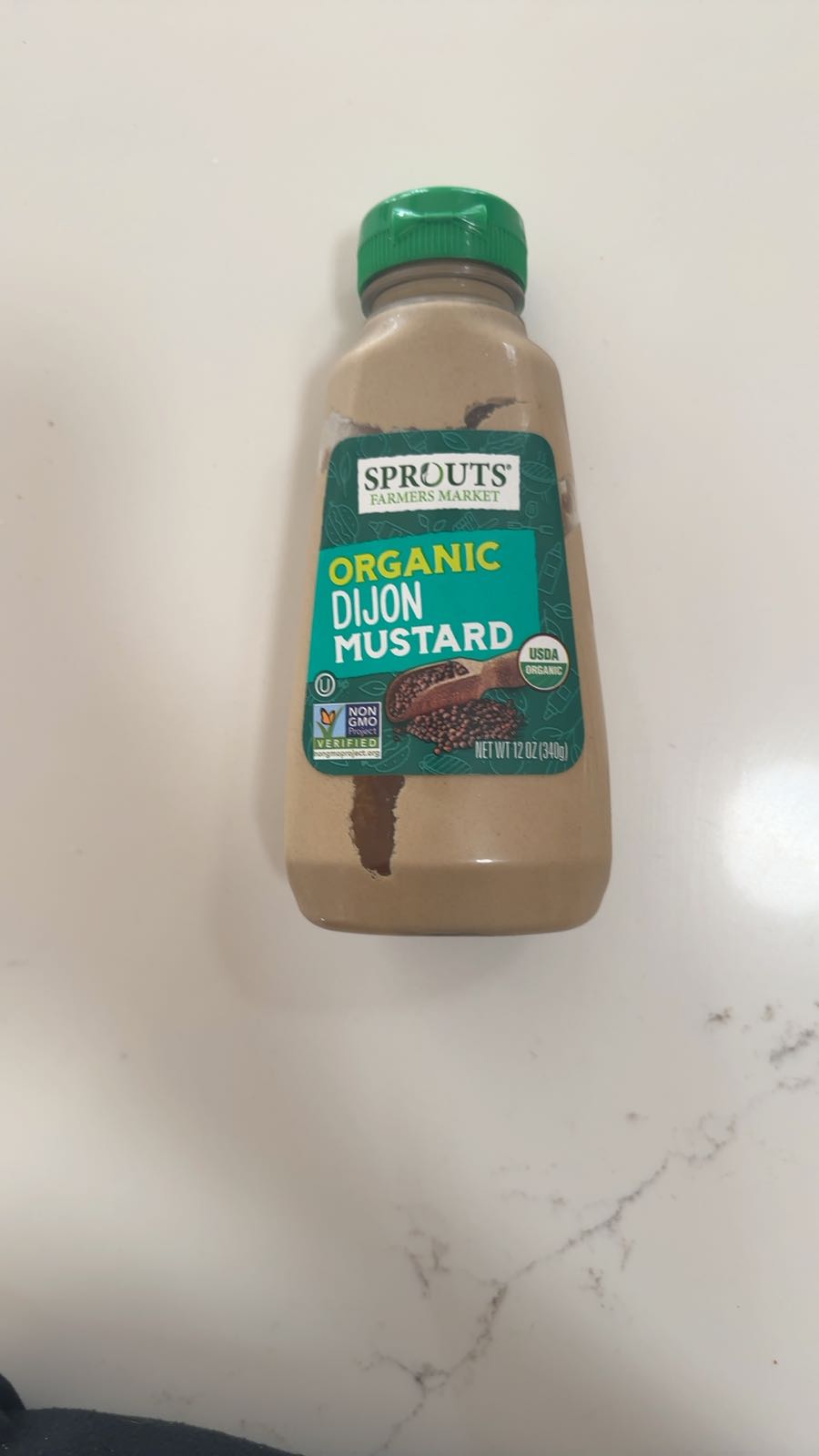
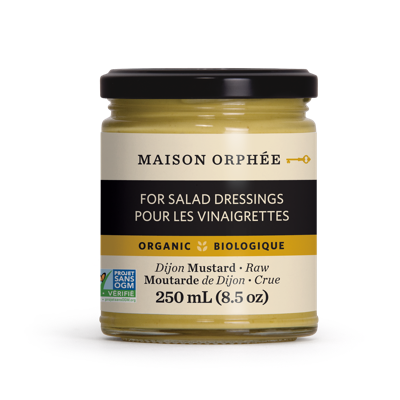
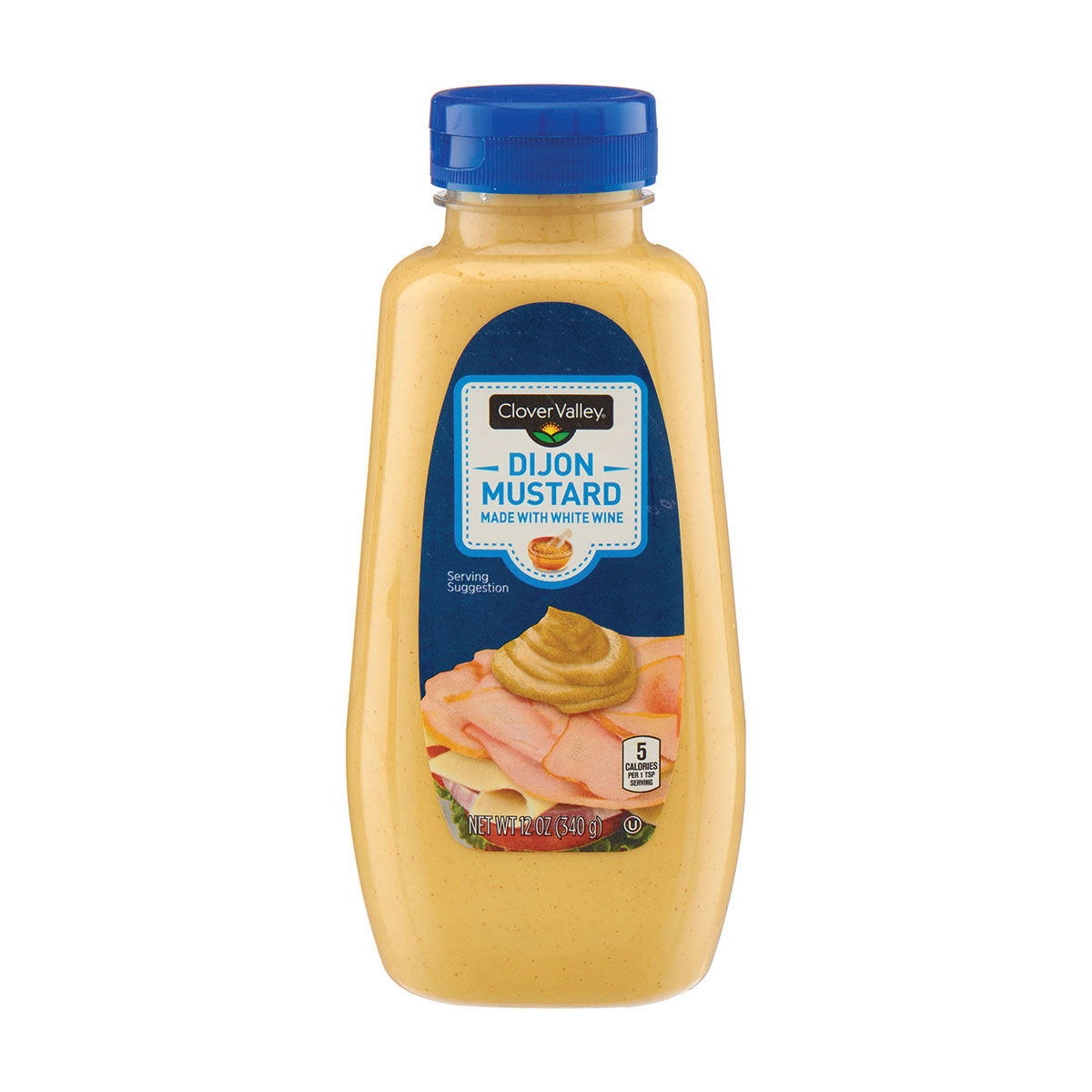
DIJON MUSTARD
At a glance
Summary
This Dijon mustard is a processed food but features a relatively clean ingredient list with no harmful additives or seed oils. The presence of mustard seeds, which are minimally processed and contain beneficial compounds, contributes positively to its score. However, the use of acids and the processing level limit its maximum potential score.
Key ingredients 8
Mustard seedGood
Mustard seeds are a good source of antioxidants and have anti-inflammatory properties. They contain compounds like glucosinolates that may support health. The seeds are minimally processed, retaining their beneficial compounds.
Risks
May cause allergic reactions in sensitive individuals.
Benefits
Rich in antioxidants and anti-inflammatory compounds that may support overall health.
WaterNeutral
Water is a neutral ingredient used as a solvent and carrier in many food products. It does not contribute any calories or nutrients. Its presence is essential for the consistency and texture of the product.
See more about Water →Distilled vinegarNeutral
Distilled vinegar is used for its acidic properties and as a preservative. It is produced through fermentation and distillation processes. It contributes to the flavor profile of the product.
Risks
Excessive consumption may lead to enamel erosion or digestive discomfort.
Benefits
Provides acidity that can enhance flavor and act as a natural preservative.
SaltNeutral
Salt is used to enhance flavor and preserve food. It is a common culinary ingredient with no additional processing in this context. While necessary for flavor, it contributes to sodium intake.
Risks
High sodium intake can lead to increased blood pressure and cardiovascular issues.
Benefits
Enhances flavor and acts as a preservative in food products.
White wineNeutral
White wine is used for its flavor and acidity in culinary applications. It is fermented from grapes and adds complexity to the product's taste. The alcohol content is typically reduced during cooking or processing.
Risks
Contains alcohol, which may not be suitable for all individuals.
Benefits
Adds flavor complexity and acidity to the product.
Citric acidNeutral
Citric acid is a natural preservative and flavor enhancer. It is commonly used to add acidity and improve shelf life. It is derived from citrus fruits or produced via fermentation.
Risks
Excessive consumption may cause digestive discomfort.
Benefits
Acts as a preservative and enhances the acidic flavor profile of foods.
Tartaric acidNeutral
Tartaric acid is used to stabilize and enhance the acidity of food products. It is naturally found in grapes and is used in winemaking. It contributes to the tart flavor of the product.
Risks
High intake may lead to digestive issues.
Benefits
Enhances acidity and stabilizes the product's flavor.
TurmericNeutral
Turmeric is used for its color and potential health benefits. It contains curcumin, which has anti-inflammatory properties. However, the amount used in condiments is typically small.
Risks
May cause allergic reactions in some individuals.
Benefits
Contains curcumin, which has anti-inflammatory and antioxidant properties.
Processing
Processed Foods
Get the full breakdown in the Scout appTake Scout shopping
Scan any product to see lab results, healthy alternatives, and your personalized analysis.
Are you Clover Valley? Fix an error Get the badge Get tested