
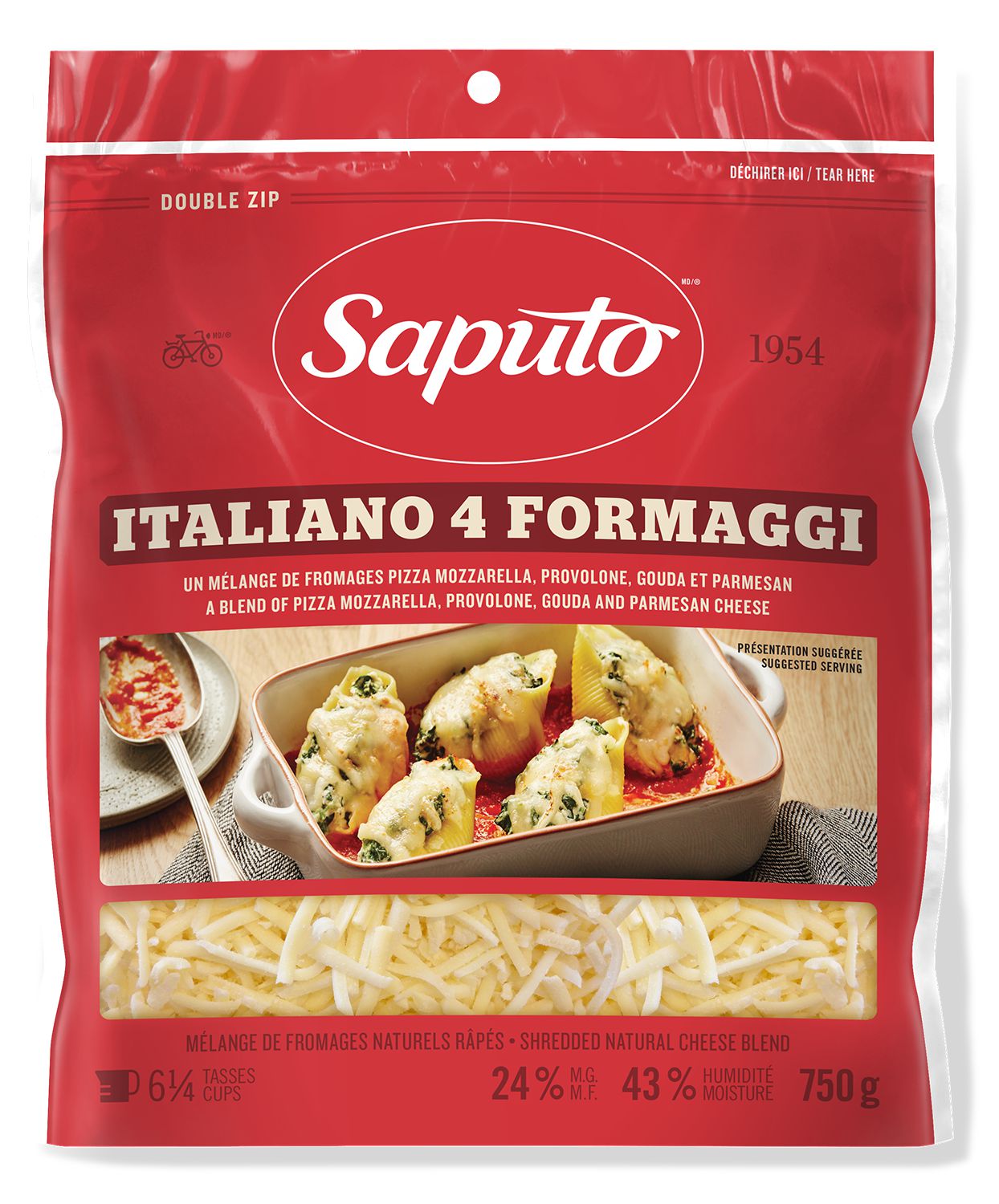
FRESHLY SHREDDED 3 CHEESE ITALIAN
At a glance
Summary
This cheese blend is moderately processed, containing natural cheeses with added powdered cellulose to prevent caking and natamycin as a preservative. While the cheeses themselves are made from simple ingredients, the presence of additives like natamycin and powdered cellulose slightly detracts from the overall quality. The product is not as minimally processed as traditional whole-form cheeses, which limits its score potential.
Key ingredients 5
Parmesan cheeseNeutral
Parmesan cheese is a traditional dairy product made from pasteurized part-skim milk, cheese cultures, salt, and enzymes. It is a source of protein and calcium but also contains saturated fats and sodium. The pasteurization process ensures safety but may reduce some beneficial bacteria.
Risks
High sodium and saturated fat content may pose health risks if consumed in excess.
Benefits
Provides protein and calcium, which are essential for bone health and muscle function.
Asiago fresh cheeseNeutral
Asiago fresh cheese is made from pasteurized milk, cheese cultures, salt, and enzymes. It is a source of protein and calcium but contains saturated fats and sodium. The pasteurization process ensures safety but may reduce some beneficial bacteria.
Risks
Contains high levels of sodium and saturated fats, which can be detrimental to cardiovascular health if consumed excessively.
Benefits
Rich in protein and calcium, supporting bone health and muscle maintenance.
Romano cheeseNeutral
Romano cheese made from cow's milk includes pasteurized part-skim milk, cheese cultures, salt, and enzymes. It offers protein and calcium but also has high sodium and saturated fat content. Pasteurization ensures safety but may reduce some beneficial bacteria.
Risks
High sodium and saturated fat content may increase the risk of hypertension and heart disease if consumed in large amounts.
Benefits
Provides essential nutrients like protein and calcium, beneficial for bone and muscle health.
Powdered celluloseNeutral
Powdered cellulose is used to prevent caking in shredded cheese products. It is derived from plant fibers and is generally considered safe for consumption. It does not contribute any significant nutritional value.
Benefits
Helps maintain product texture and prevents clumping without adding calories or fat.
NatamycinBad
Natamycin is a preservative used to protect flavor and prevent mold growth in cheese. It is a naturally occurring antifungal agent but is considered an additive. Overuse of preservatives can lead to potential health concerns.
Risks
May cause allergic reactions in sensitive individuals and contribute to additive load in the diet.
Benefits
Effectively prevents mold growth, extending the shelf life of cheese products.
Processing
Processed Foods
Get the full breakdown in the Scout appTake Scout shopping
Scan any product to see lab results, healthy alternatives, and your personalized analysis.
Are you Saputo Cheese Usa Inc.? Fix an error Get the badge Get tested


