


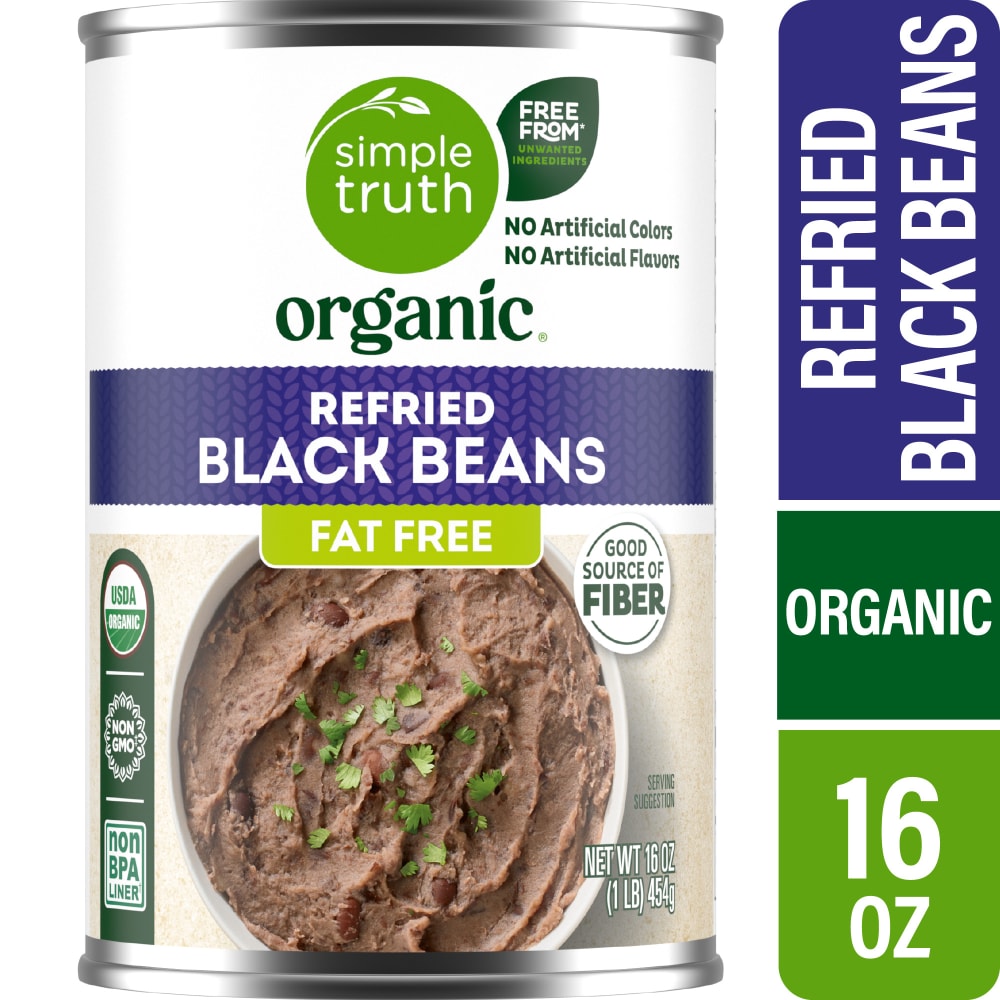
REFRIED BLACK BEANS
Analysis updated June 2026 · How Scout scores
At a glance
Summary
This product contains beneficial ingredients like black beans, onions, and jalapeno peppers, which provide fiber, vitamins, and antioxidants. However, the presence of soybean oil, a seed oil high in omega-6 fatty acids, is a concern due to its potential inflammatory effects. The product is moderately processed, which limits its score despite the presence of some nutritious components.
Key ingredients 8
Black beansGood
Black beans are a good source of plant-based protein and fiber. They provide essential nutrients such as iron, magnesium, and folate. Their high fiber content supports digestive health and helps maintain stable blood sugar levels.
Risks
May cause digestive discomfort in some individuals due to oligosaccharides.
Benefits
Rich in protein and fiber, supporting muscle health and digestion. Contains antioxidants that may reduce inflammation.
OnionGood
Onions are a flavorful vegetable that provide vitamins, minerals, and antioxidants. They contain quercetin, which has anti-inflammatory properties. Onions can enhance the flavor profile of dishes while contributing to overall health.
Risks
May cause digestive discomfort in some individuals.
Benefits
Rich in antioxidants and vitamins, supporting immune health and reducing inflammation.
Jalapeno pepperGood
Jalapeno peppers add spice and flavor to dishes and are rich in vitamins A and C. They contain capsaicin, which may boost metabolism and reduce inflammation. Their antioxidant properties contribute to overall health benefits.
Risks
May cause digestive discomfort or irritation in sensitive individuals.
Benefits
Rich in vitamins and antioxidants, supporting immune health and metabolism.
SpicesGood
Whole-food seasonings, antioxidant-bearing.
Benefits
May provide antioxidants and enhance flavor, contributing to a more enjoyable eating experience.
WaterNeutral
Water is a neutral ingredient used as a base or solvent in many food products. It does not contribute any calories or nutrients. Its primary role is to provide moisture and consistency.
See more about Water →SaltNeutral
Salt is used to enhance flavor and preserve food. It is essential for maintaining fluid balance and nerve function. However, excessive consumption can lead to health issues such as hypertension.
Risks
Excessive intake may lead to high blood pressure and cardiovascular issues.
Benefits
Essential for fluid balance and nerve function in moderate amounts.
Pork lardNeutral
Pork lard is an animal fat that provides a rich flavor and texture to foods. It contains both saturated and unsaturated fats. While it can be part of a balanced diet, excessive consumption of saturated fats may pose health risks.
Risks
High in saturated fats, which may increase cholesterol levels if consumed in excess.
Benefits
Provides a rich flavor and can be a source of energy.
Soybean oilVery Bad
Soybean oil is a seed oil high in omega-6 fatty acids, which can promote inflammation when consumed in excess. It is often extracted using chemical solvents, which may leave residues. Compared to healthier oils like olive or avocado, it offers fewer health benefits.
Risks
High omega-6 content may promote inflammation when consumed in excess.
Processing
Processed Foods
Get the full breakdown in the Scout appTake Scout shopping
Scan any product to see lab results, healthy alternatives, and your personalized analysis.
Download on theApp Store GET IT ONGoogle PlayAmazon pricing & content
Amazon price as of . Product prices and availability are accurate as of the date/time indicated and are subject to change. Any price and availability information displayed on Amazon.com at the time of purchase will apply to the purchase of this product.
CERTAIN CONTENT THAT APPEARS ON THIS SITE COMES FROM AMAZON. THIS CONTENT IS PROVIDED “AS IS” AND IS SUBJECT TO CHANGE OR REMOVAL AT ANY TIME.