
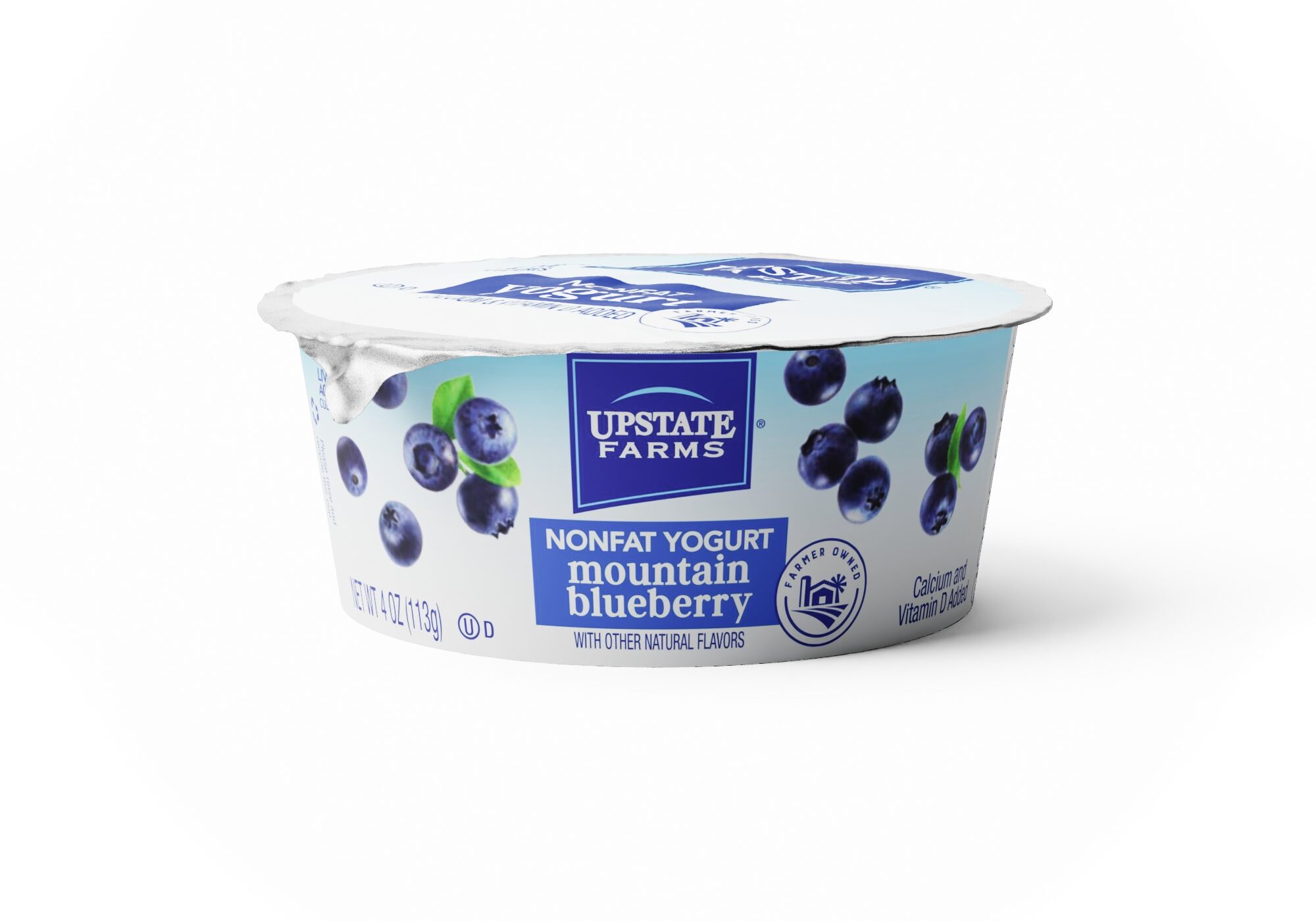


Mountain berry non fat yoghurt
Analysis updated August 2026 · How Scout scores
At a glance
Summary
This yogurt is ultra-processed, which limits its potential health benefits despite containing some nutritious ingredients like nonfat milk and blueberries. The presence of added sugar and natural flavors detracts from its overall nutritional profile, as these ingredients are associated with increased calorie intake and lack transparency. While it includes beneficial components like whey protein, the processing level and added sugars prevent it from being rated higher.
Key ingredients 9
BlueberriesVery Good
Blueberries are rich in antioxidants, vitamins, and fiber, supporting overall health. They are known for their anti-inflammatory properties and potential to improve heart health. Consuming whole fruits provides more benefits than fruit juices or extracts.
Benefits
Rich in antioxidants and vitamins, blueberries support heart health and may reduce inflammation.
Pasteurized Grade A Nonfat MilkGood
Nonfat milk is a good source of calcium and protein, essential for bone health and muscle maintenance. It is pasteurized to ensure safety by eliminating harmful bacteria. However, it lacks the beneficial fats found in whole milk.
Benefits
Provides essential nutrients like calcium and protein without added fats, making it suitable for low-fat diets.
Modified Corn StarchNeutral
Modified corn starch is used as a thickening agent in many processed foods. It is derived from corn and undergoes chemical modification to improve its properties. It provides no significant nutritional value.
See more about Modified Corn Starch →WheyNeutral
Liquid whey as a minor dairy ingredient — benign.
Risks
May cause digestive issues for those with lactose intolerance.
Benefits
Supports muscle growth and repair due to its complete amino acid profile.
Tricalcium PhosphateNeutral
Tricalcium phosphate is used as a calcium supplement and anti-caking agent. It helps fortify foods with calcium, supporting bone health. It is generally recognized as safe when used in food products.
Benefits
Provides additional calcium, supporting bone health.
Gellan GumNeutral
Gellan gum is a gelling agent used to stabilize and thicken foods. It is produced through bacterial fermentation and is generally considered safe. It provides no nutritional value but improves texture and consistency.
Risks
May cause digestive discomfort in sensitive individuals.
Benefits
Improves texture and consistency in food products.
Fruit and Vegetable JuiceNeutral
Fruit and vegetable juice is often used for natural coloring in food products. It provides minimal nutritional benefits compared to whole fruits and vegetables. The processing involved can reduce the nutrient content.
Benefits
Provides natural coloring without artificial additives.
SugarBad
Refined sugar is associated with increased calorie intake and potential weight gain. It can contribute to metabolic disorders when consumed in excess. It lacks nutritional benefits and can lead to dental issues.
Risks
Excessive consumption may lead to obesity, diabetes, and dental cavities.
Natural FlavorsBad
Natural flavors are added to enhance taste but can be derived from complex chemical processes. They lack transparency, making it difficult to assess their health impact. Often used in processed foods, they do not provide nutritional benefits.
Risks
Potential allergens and lack of transparency in sourcing can be concerning.
Processing
Ultra-Processed Foods
Get the full breakdown in the Scout appTake Scout shopping
Scan any product to see lab results, healthy alternatives, and your personalized analysis.
Download on theApp Store GET IT ONGoogle Play