


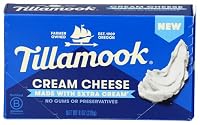

At a glance
Summary
This yogurt product is ultra-processed, which limits its potential health score. It contains added sugar and natural flavors, which are often used to enhance taste but can detract from the nutritional quality. The presence of multiple additives and the use of corn starch further contribute to its processing level, impacting its overall healthiness.
Key ingredients 10
Ascorbic acidGood
Vitamin C — beneficial even when serving as a preservative.
Benefits
Acts as an antioxidant and helps preserve the product's freshness.
Milk protein concentrateGood
Beneficial ingredient — whole-food or functional value in this product class.
Risks
May not be suitable for individuals with lactose intolerance.
Benefits
Provides essential amino acids beneficial for muscle repair and growth.
Cultured pasteurized grade a reduced fat milkNeutral
This ingredient provides a source of protein and calcium, essential for bone health. It is pasteurized to ensure safety by eliminating harmful bacteria. However, being reduced fat, it lacks the full spectrum of nutrients found in whole milk.
Benefits
Provides protein and calcium, which are important for maintaining bone health.
PeachesNeutral
Peaches are a natural source of vitamins and fiber, contributing to overall health. They provide a natural sweetness and flavor to the product. However, the nutritional benefits may be diminished if the peaches are processed or preserved with added sugars.
Benefits
Rich in vitamins and fiber, supporting digestive health and providing antioxidants.
Corn starchNeutral
Corn starch is used as a thickening agent in many food products. It is a refined carbohydrate that provides texture but minimal nutritional value. While generally safe, it can contribute to calorie intake without adding nutrients.
See more about Corn starch →Citric acidNeutral
Citric acid is commonly used as a preservative and flavor enhancer in foods. It is naturally found in citrus fruits and helps maintain product stability. While generally safe, excessive consumption can lead to dental erosion.
Risks
Excessive consumption may contribute to dental erosion.
Benefits
Helps preserve the product and enhance flavor.
Malic acidNeutral
Malic acid is used to enhance flavor and acidity in food products. It is naturally present in many fruits and contributes to a tart taste. While safe in moderate amounts, excessive intake can cause digestive discomfort.
Risks
Excessive consumption may cause digestive discomfort.
Benefits
Enhances flavor and provides a tart taste.
AnnattoNeutral
Annatto is a natural colorant derived from the seeds of the achiote tree. It is used to impart a yellow or orange hue to foods. While generally safe, some individuals may experience allergic reactions.
Risks
Potential for allergic reactions in sensitive individuals.
Benefits
Provides natural coloring without synthetic additives.
SugarBad
Sugar is a refined carbohydrate that can contribute to weight gain and metabolic issues when consumed in excess. It is often added to enhance sweetness but lacks nutritional benefits. High intake of sugar is linked to increased risk of chronic diseases such as diabetes and heart disease.
Risks
Excessive consumption can lead to obesity, type 2 diabetes, and heart disease.
Natural flavorBad
Natural flavors are often used to enhance taste but can be derived from complex chemical processes. They lack transparency, making it difficult to assess their true origin and health impact. Consumers may prefer whole food ingredients for more natural flavoring.
Risks
Potential for allergic reactions or sensitivities due to undisclosed components.
Processing
Ultra-Processed Foods
Get the full breakdown in the Scout appTake Scout shopping
Scan any product to see lab results, healthy alternatives, and your personalized analysis.
Download on theApp Store GET IT ONGoogle Play