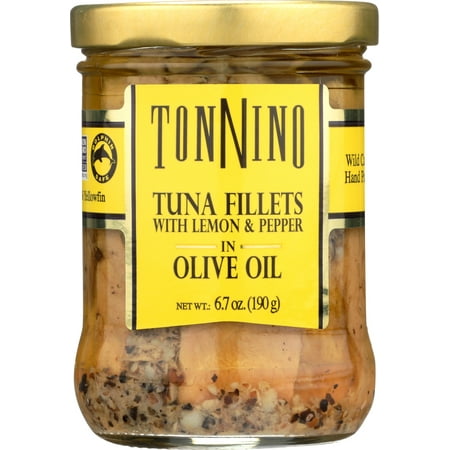
Wild Caught Tuna Lemon Pepper

At a glance
Summary
This product contains high-quality light tuna, which is a good source of protein and omega-3 fatty acids. However, it is classified as ultra-processed due to the presence of additives like modified corn starch, natural flavor, and guar gum. The inclusion of added sugar and the lack of transparency in the natural flavor further impact its healthiness, despite the beneficial ingredients.
Key ingredients 11
Light tunaGood
Light tuna is a high-quality source of protein and omega-3 fatty acids. It is minimally processed and provides essential nutrients that support heart and brain health. Compared to plant-based proteins, it offers a more complete amino acid profile.
Risks
Potential mercury content is a concern, especially for pregnant women and young children.
Benefits
Rich in omega-3 fatty acids that support cardiovascular health and reduce inflammation. Provides a high-quality protein source with essential amino acids.
Black pepperGood
Black pepper is a natural spice that adds flavor and has potential health benefits. It contains piperine, which may enhance nutrient absorption. Its natural origin and minimal processing make it a beneficial addition.
Benefits
May enhance nutrient absorption and has antioxidant properties.
WaterNeutral
Water is used as a medium for canning and does not contribute any nutritional value. It helps maintain the moisture content of the tuna. There are no processing concerns associated with water in this context.
See more about Water →SaltNeutral
Salt is used for flavoring and preservation in canned foods. It is a common additive that helps enhance taste. Excessive consumption can lead to health issues such as hypertension.
Risks
High sodium intake may contribute to hypertension and cardiovascular diseases.
Benefits
Provides essential sodium needed for various bodily functions.
Citric acidNeutral
Citric acid is a natural preservative and flavor enhancer commonly used in food products. It is generally recognized as safe and helps maintain product freshness. It is derived from citrus fruits or produced through fermentation.
Benefits
Helps preserve food and enhance flavor without significant nutritional benefits.
Lemon juiceNeutral
Lemon juice is used for flavoring and as a natural preservative. It provides a tangy taste and contains vitamin C. However, in small amounts, it does not significantly contribute to nutritional intake.
Benefits
Contains vitamin C and enhances flavor, though in small amounts it offers limited nutritional benefits.
Modified corn starchNeutral
Modified corn starch is used as a thickening agent and stabilizer in processed foods. It is derived from corn and undergoes chemical modification to improve its functional properties. It does not provide significant nutritional value.
See more about Modified corn starch →Vegetable brothNeutral
Vegetable broth is used for flavoring and may contain nutrients from vegetables like peas and carrots. It is minimally processed but does not significantly contribute to the nutritional profile of the product. The broth is typically low in calories and nutrients.
Benefits
Adds flavor and may contain trace nutrients from vegetables.
Guar gumNeutral
Guar gum is a thickening agent derived from guar beans. It is used to improve texture and stability in processed foods. It is generally recognized as safe and has minimal impact on nutrition.
Risks
Excessive consumption may cause digestive issues such as gas or bloating.
SugarBad
Sugar is an added sweetener that provides no essential nutrients and contributes to calorie intake. It is refined and can lead to health issues when consumed in excess. Unlike natural sugars in whole foods, refined sugar lacks beneficial nutrients.
Risks
Excessive sugar intake is linked to obesity, type 2 diabetes, and dental cavities.
Natural flavorBad
Natural flavor is a catch-all term for flavoring agents derived from natural sources. It lacks transparency and can include a variety of substances. The lack of specificity makes it difficult to assess its health impact.
Risks
Potential allergens or sensitivities may be present, and the lack of transparency is a concern.
Processing
Ultra-Processed Foods
Get the full breakdown in the Scout appTake Scout shopping
Scan any product to see lab results, healthy alternatives, and your personalized analysis.
Are you Bumble Bee? Fix an error Get the badge Get tested
Amazon pricing & content
Amazon price as of . Product prices and availability are accurate as of the date/time indicated and are subject to change. Any price and availability information displayed on Amazon.com at the time of purchase will apply to the purchase of this product.
CERTAIN CONTENT THAT APPEARS ON THIS SITE COMES FROM AMAZON. THIS CONTENT IS PROVIDED “AS IS” AND IS SUBJECT TO CHANGE OR REMOVAL AT ANY TIME.