


At a glance
Summary
This product contains beneficial ingredients like sardines, which are a good source of protein and omega-3 fatty acids, and tomatoes, which provide vitamins and antioxidants. However, the presence of sunflower oil, a seed oil high in omega-6 fatty acids, and refined sugar, which contributes empty calories, negatively impacts its health profile. The product is moderately processed, which limits its score despite the presence of some nutritious components.
Key ingredients 7
SardineVery Good
Sardines are a high-quality source of protein and omega-3 fatty acids, which are beneficial for heart and brain health. They are typically wild-caught, reducing concerns about farming practices and contaminants. Sardines also provide essential nutrients like vitamin D and calcium.
Benefits
Rich in omega-3 fatty acids that support cardiovascular health and reduce inflammation. Provides a good source of protein and essential nutrients such as vitamin D and calcium.
TomatoGood
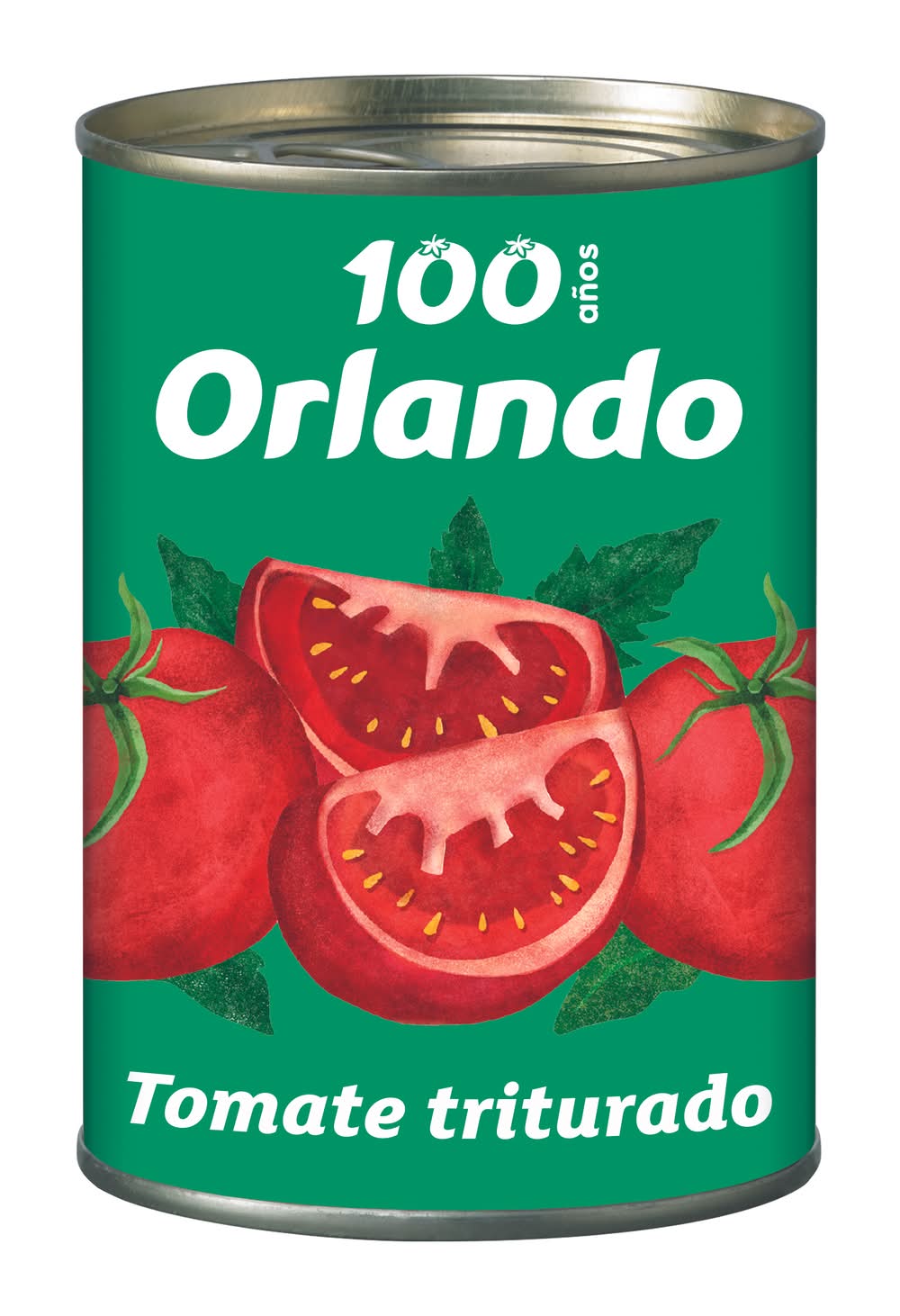
Tomatoes are a good source of vitamins A and C, as well as antioxidants like lycopene. They are minimally processed in this context, retaining most of their nutritional benefits. Lycopene has been associated with reduced risk of certain chronic diseases.
Benefits
Rich in antioxidants such as lycopene, which may reduce the risk of chronic diseases. Provides vitamins A and C, supporting immune function and skin health.
SpicesGood
Whole-food seasonings, antioxidant-bearing.
Benefits
May provide antioxidant properties and enhance flavor without adding calories.
WaterNeutral
Water is used as a base in many food products and does not contribute significant nutritional value. It is essential for hydration but does not provide calories or nutrients. In this context, it serves as a medium for the tomato sauce.
See more about Water →SaltNeutral
Salt is used to enhance flavor and preserve food but does not provide significant nutritional benefits. It is important for maintaining fluid balance but should be consumed in moderation. Excessive intake can lead to hypertension.
Risks
High sodium intake can contribute to hypertension and cardiovascular disease.
Benefits
Essential for maintaining fluid balance and nerve function when consumed in appropriate amounts.
SugarBad
Refined sugar is associated with increased risk of obesity, diabetes, and heart disease when consumed in excess. It provides empty calories without essential nutrients. In processed foods, it can contribute to unhealthy dietary patterns.
Risks
Excessive consumption can lead to obesity, diabetes, and other metabolic disorders.
Sunflower oilVery Bad
Sunflower oil is a seed oil high in omega-6 fatty acids, which can promote inflammation when consumed in excess. It is often refined and processed, which can reduce its nutritional quality. Compared to healthier oils like olive oil, it lacks beneficial monounsaturated fats.
Risks
High omega-6 content may promote inflammation when consumed in excess. Processing methods can introduce harmful compounds.
Processing
Processed Foods
Get the full breakdown in the Scout appTake Scout shopping
Scan any product to see lab results, healthy alternatives, and your personalized analysis.
Download on theApp Store GET IT ONGoogle Play