



At a glance
Summary
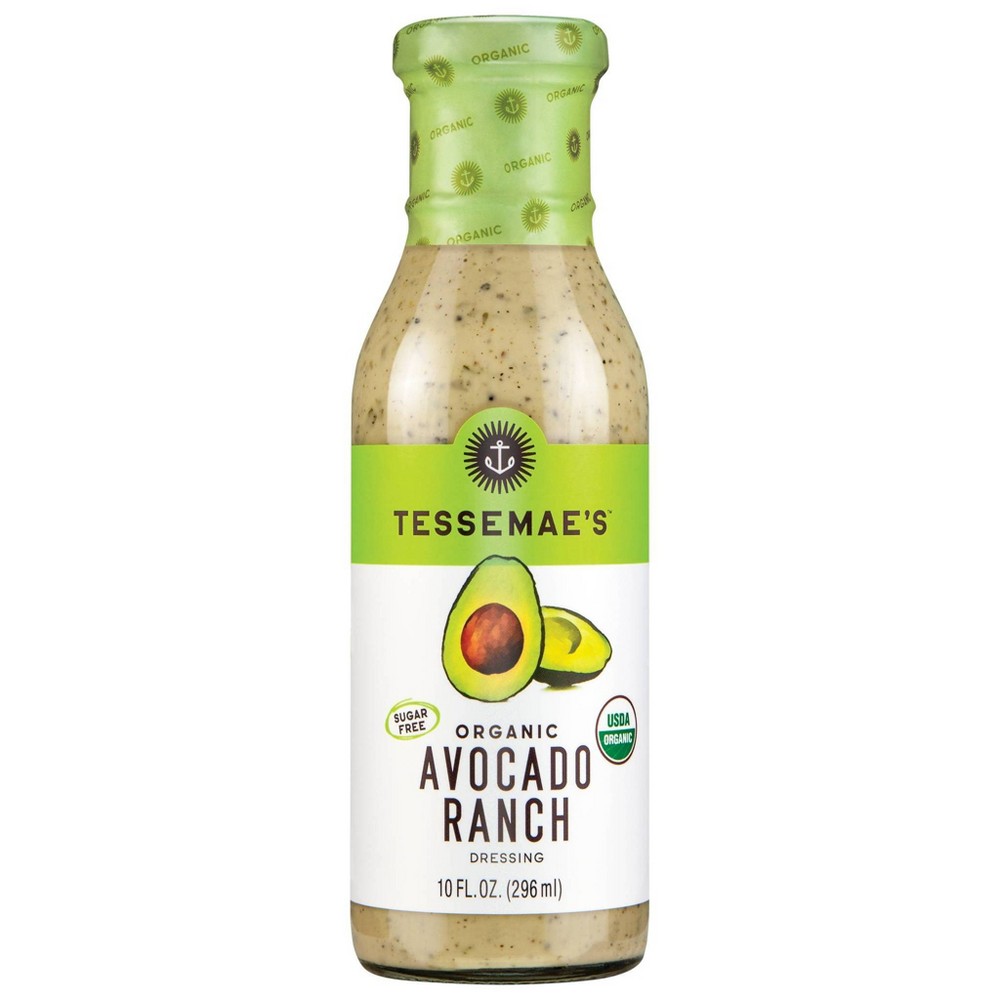
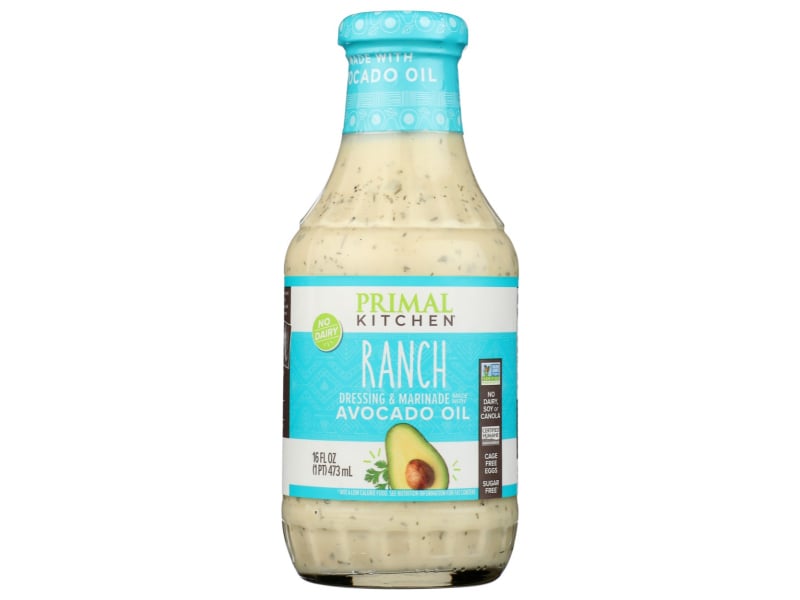
This dressing features high-quality ingredients like avocado oil, blue cheese, and buttermilk, which provide beneficial nutrients and healthy fats. However, it contains added sugar, which is a refined carbohydrate that can contribute to health issues when consumed in excess. The product is moderately processed, which limits its maximum potential score despite the overall clean ingredient list.
Key ingredients 13
Avocado OilVery Good
Avocado oil is rich in monounsaturated fats, which are heart-healthy and anti-inflammatory. It contains antioxidants like vitamin E that protect cells from oxidative damage. The oil is minimally processed, retaining its beneficial compounds.
Benefits
Supports heart health and provides anti-inflammatory properties due to its high monounsaturated fat content.
AvocadoVery Good
Avocado is a nutrient-dense fruit rich in healthy monounsaturated fats, fiber, and vitamins like E and C. It supports heart health and provides anti-inflammatory benefits. The fruit is minimally processed, retaining its natural nutrients.
Benefits
Rich in healthy fats and fiber, supporting heart health and digestion.
ButtermilkGood
Buttermilk is a fermented dairy product that provides probiotics beneficial for gut health. It is a source of calcium and vitamin B12, supporting bone health and energy metabolism. The fermentation process enhances digestibility and nutrient absorption.
Risks
Lactose intolerance may cause digestive discomfort for some individuals.
Benefits
Contains probiotics that support digestive health and is a good source of calcium and vitamin B12.
Blue CheeseGood
Blue cheese is a source of protein and calcium, essential for muscle and bone health. It contains beneficial bacteria from the fermentation process, which may support gut health. The cheese is aged, enhancing its flavor and nutrient profile.
Risks
May cause allergic reactions in individuals sensitive to mold or dairy.
Benefits
Provides protein and calcium, and contains beneficial bacteria that may support gut health.
Sour CreamGood
Sour cream is a fermented dairy product that provides probiotics and is a source of calcium and vitamin A. The fermentation process improves digestibility and enhances flavor. It adds creaminess and richness to dishes.
Risks
Contains lactose, which may cause issues for those with lactose intolerance.
Benefits
Provides probiotics and is a source of calcium and vitamin A, supporting bone health and vision.
Egg YolkGood
Egg yolk is rich in essential nutrients like choline, which supports brain health, and vitamin D, important for bone health. It contains healthy fats and antioxidants like lutein and zeaxanthin. The yolk is a nutrient-dense component of the egg.
Risks
Contains cholesterol, which may be a concern for individuals with specific dietary restrictions.
Benefits
Provides essential nutrients and antioxidants that support brain and eye health.
Onion PowderGood
Onion powder is made from dehydrated onions and adds flavor to dishes. It contains antioxidants and compounds that may support immune health. The dehydration process preserves its flavor and some nutrients.
Benefits
Provides flavor and contains antioxidants that may support immune health.
Distilled VinegarNeutral
Distilled vinegar is used as a preservative and flavor enhancer in foods. It is made through the fermentation of ethanol, resulting in acetic acid. While it adds tanginess, it does not provide significant nutritional benefits.
Risks
Excessive consumption may lead to digestive discomfort.
Benefits
Acts as a preservative and flavor enhancer without adding calories.
SaltNeutral
Salt is used to enhance flavor and preserve foods. It is a source of sodium, an essential mineral for fluid balance and nerve function. However, excessive intake can lead to hypertension.
Risks
High sodium intake is linked to increased blood pressure and cardiovascular risk.
Benefits
Essential for maintaining fluid balance and nerve function.
WaterNeutral
Water is used as a solvent and carrier in food products. It is essential for hydration and various bodily functions. In this context, it serves as a base for the dressing.
Benefits
Essential for hydration and serves as a solvent in food products.
Xanthan GumNeutral
Xanthan gum is a polysaccharide used as a thickening and stabilizing agent in foods. It is produced through the fermentation of sugars by Xanthomonas campestris bacteria. While it improves texture, it does not provide nutritional benefits.
Risks
May cause digestive discomfort in sensitive individuals when consumed in large amounts.
Benefits
Improves texture and stability of food products without adding calories.
Lactic AcidNeutral
Lactic acid is used as a preservative and flavoring agent in foods. It is produced through the fermentation of carbohydrates by lactic acid bacteria. It enhances the tangy flavor of foods but does not provide significant nutritional benefits.
Benefits
Acts as a preservative and flavor enhancer in food products.
SugarBad
Sugar is a refined carbohydrate that provides quick energy but lacks essential nutrients. Excessive consumption can lead to weight gain and increased risk of metabolic diseases. It is often added to enhance sweetness in processed foods.
Risks
High intake is associated with obesity, type 2 diabetes, and dental cavities.
Processing
Processed Foods
Get the full breakdown in the Scout appTake Scout shopping
Scan any product to see lab results, healthy alternatives, and your personalized analysis.
Download on theApp Store GET IT ONGoogle Play