


At a glance
Summary
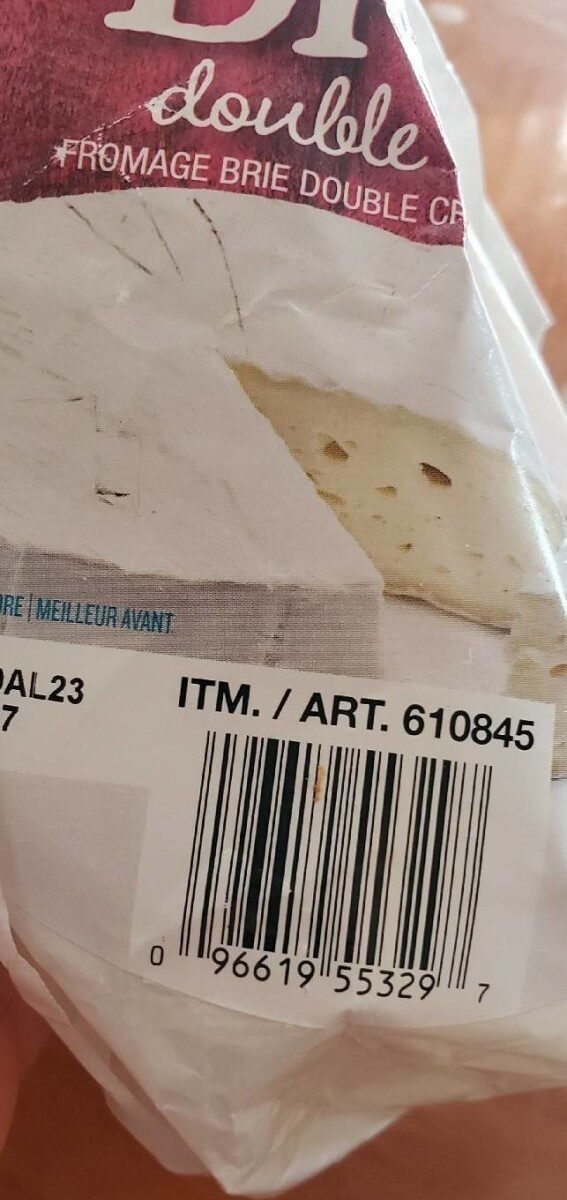
This Brie cheese is made with high-quality ingredients such as pasteurized cow's milk, cream, and beneficial cultures, which contribute to its nutritional value and flavor. The product is processed, but it avoids harmful additives and maintains a clean ingredient list, which supports a higher score within its category. The presence of natural enzymes and cultures enhances its health profile, making it a good choice among processed cheeses.
Key ingredients 13
Pasteurized cow's milkVery Good
Pasteurized cow's milk is a primary ingredient in cheese, providing essential nutrients like calcium and protein. The pasteurization process ensures safety by eliminating harmful bacteria. It is a high-quality source of nutrients necessary for bone health.
Benefits
Rich in calcium and protein, supporting bone health and muscle maintenance.
Mesophilic DVI MA cultureVery Good
Mesophilic DVI MA culture is a specific bacterial culture used in cheese making to develop flavor and texture. It is essential for the fermentation process, contributing to the cheese's unique characteristics. These cultures can also support digestive health.
Benefits
Enhances flavor and texture while supporting gut health.
Penicillum candidumVery Good
Penicillum candidum is a mold used in the production of Brie cheese to develop its characteristic white rind. It contributes to the cheese's flavor and texture, making it creamy and soft. This mold is safe for consumption and enhances the cheese's sensory qualities.
Benefits
Contributes to the unique flavor and texture of Brie cheese.
Kalona SuperNatural whole cream top milkVery Good
Kalona SuperNatural whole cream top milk is a high-quality milk known for its rich cream content and minimal processing. It provides essential nutrients like calcium and protein, supporting overall health. The cream top indicates a less processed product, retaining more natural nutrients.
Benefits
Rich in calcium and protein, supporting bone health and muscle maintenance.
Mesophilic cultureVery Good
Mesophilic culture is used in cheese making to develop flavor and texture. It plays a crucial role in the fermentation process, enhancing the nutritional profile of the cheese. These cultures can also contribute to gut health.
Benefits
Supports gut health and aids in the development of cheese flavor and texture.
CreamGood
Cream adds richness and texture to cheese, contributing to its creamy consistency. It is a source of saturated fats, which are essential in moderation for energy and cell function. The quality of cream can enhance the overall flavor profile of the cheese.
Risks
High in saturated fats, which should be consumed in moderation to avoid cardiovascular risks.
Benefits
Provides a rich source of energy and contributes to the creamy texture of the cheese.
CulturesGood
Cultures are beneficial bacteria used in cheese making to develop flavor and texture. They play a crucial role in the fermentation process, enhancing the nutritional profile of the cheese. These cultures can also contribute to gut health.
Benefits
Supports gut health and aids in the development of cheese flavor and texture.
Liquid rennetGood
Liquid rennet is an enzyme used to coagulate milk, forming curds in cheese making. It is essential for the cheese production process and helps in developing the cheese's texture. Rennet is a natural ingredient and is safe for consumption.
Benefits
Essential for cheese production, aiding in milk coagulation and texture development.
CalciumGood
Calcium is an essential mineral added to cheese to enhance its nutritional value. It is crucial for bone health and plays a role in various bodily functions. The addition of calcium ensures that the cheese is a good source of this vital nutrient.
Benefits
Supports bone health and is essential for various bodily functions.
SaltNeutral
Salt is used in cheese making for flavor enhancement and as a preservative. It helps control the fermentation process and prevents spoilage. While essential in small amounts, excessive salt intake can lead to health issues.
Risks
Excessive consumption can lead to high blood pressure and cardiovascular issues.
Benefits
Enhances flavor and acts as a natural preservative in cheese.
EnzymesNeutral
Standard formulation ingredient — neither beneficial nor harmful at typical use.
Benefits
Essential for cheese production, aiding in milk coagulation and texture development.
Bread flourNeutral
Bread flour is not a typical ingredient in traditional Brie cheese and may be used for coating or texture purposes. It is a source of carbohydrates and gluten, which some individuals may need to avoid. Its inclusion does not significantly alter the nutritional profile of the cheese.
Risks
Contains gluten, which may be a concern for individuals with celiac disease or gluten sensitivity.
Benefits
Provides carbohydrates, though its role in cheese is minimal.
Enriched wheat flourBad
Refined grain flour stripped of bran and germ.
Risks
Contains gluten, which may be a concern for individuals with celiac disease or gluten sensitivity.
Benefits
Fortified with vitamins and minerals, offering some nutritional benefits.
Processing
Processed Foods
Get the full breakdown in the Scout appTake Scout shopping
Scan any product to see lab results, healthy alternatives, and your personalized analysis.
Download on theApp Store GET IT ONGoogle Play