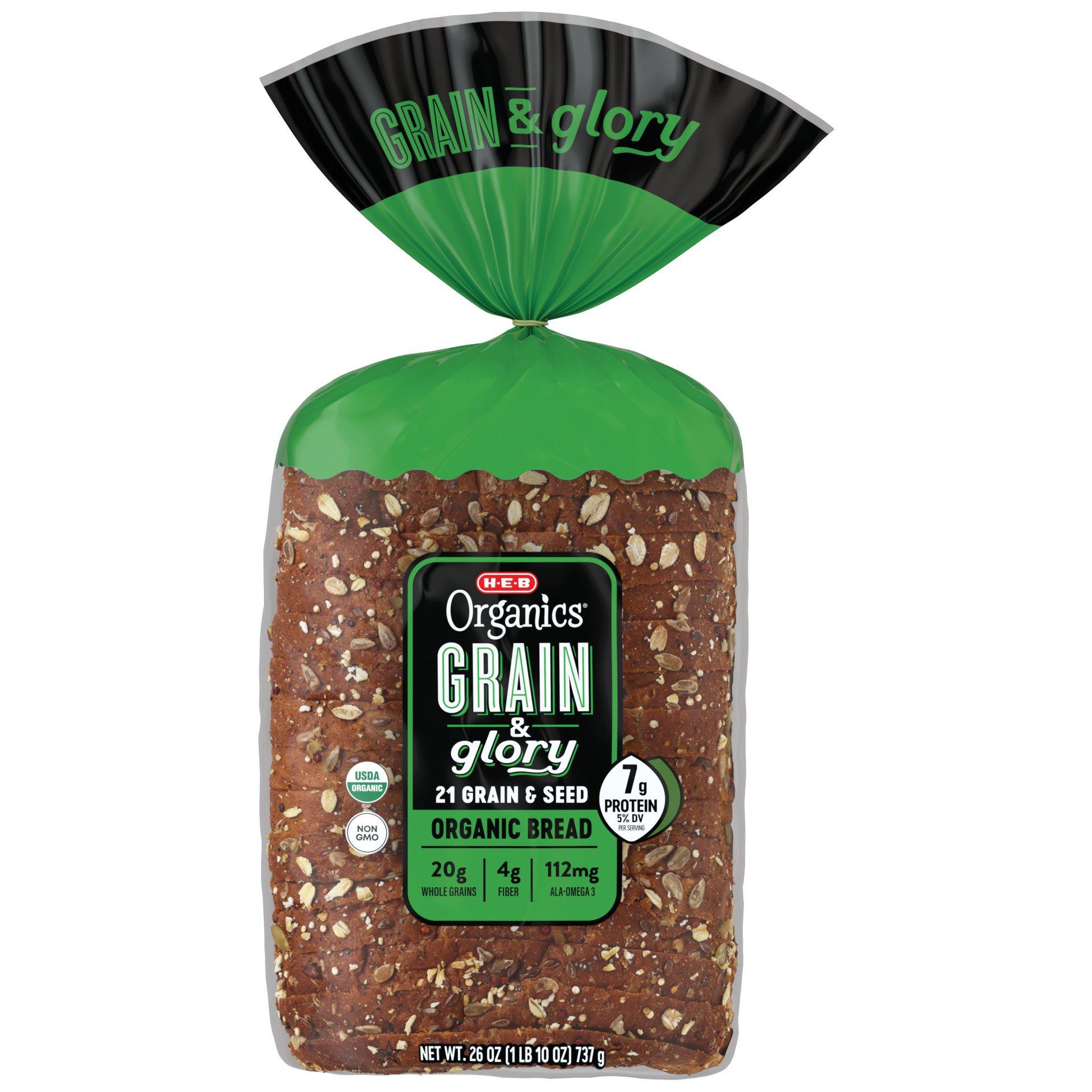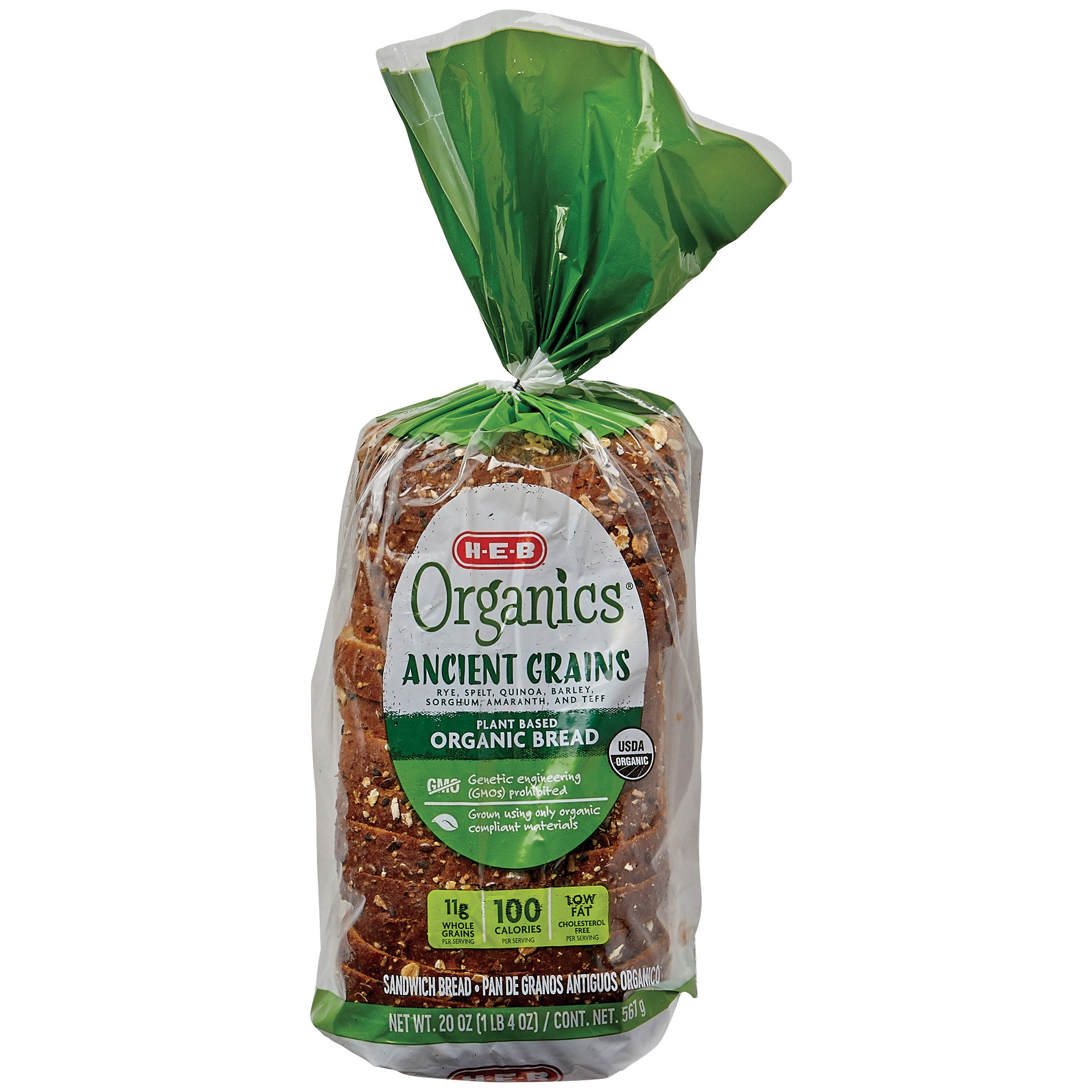
At a glance
Summary
This bread contains several beneficial ingredients such as organic whole wheat flour, yeast, and organic sesame, which contribute to its nutritional value. However, the presence of organic soybean oil, a seed oil high in omega-6 fatty acids, and organic sugar, a refined sweetener, detracts from its healthiness. The product is moderately processed, which limits its score despite the use of organic ingredients.
Key ingredients 14
Organic whole wheat flourGood
Organic whole wheat flour is a nutritious ingredient providing fiber, vitamins, and minerals. Being organic, it is grown without synthetic pesticides. It contributes to a healthier glycemic response compared to refined flour.
Benefits
Rich in dietary fiber and nutrients, supporting digestive health and providing sustained energy.
YeastGood
Yeast is a natural leavening agent that helps bread rise by producing carbon dioxide. It also contributes to the development of flavor and texture. Yeast fermentation can enhance the bioavailability of nutrients in bread.
Benefits
Improves bread texture and flavor while aiding in nutrient absorption.
Sea saltGood
Sea salt is a natural source of sodium and trace minerals, enhancing flavor and preserving food. It is less processed than table salt, retaining beneficial minerals. Its use in moderation can support electrolyte balance.
Risks
Excessive sodium intake can lead to hypertension and cardiovascular issues.
Benefits
Provides essential minerals and enhances flavor naturally.
Organic vinegarGood
Organic vinegar acts as a natural preservative and flavor enhancer in bread. It can help improve the shelf life and texture of the product. Being organic, it is free from synthetic additives.
Benefits
Enhances flavor and acts as a natural preservative, supporting longer shelf life.
Organic sesameGood
Organic sesame seeds are a nutritious addition, providing healthy fats, protein, and minerals. Being organic, they are free from synthetic pesticides. They add flavor and nutritional value to the bread.
Risks
May cause allergic reactions in individuals with sesame allergies.
Benefits
Rich in healthy fats, protein, and minerals, supporting overall health.
Organic wheat flourNeutral
Organic wheat flour is a staple ingredient in bread, providing structure and carbohydrates. Being organic, it is free from synthetic pesticides and fertilizers. However, it is a refined flour, which lacks the fiber and nutrients found in whole grains.
Risks
Refined flour can contribute to blood sugar spikes and lacks fiber.
Benefits
Organic certification ensures it is free from synthetic chemicals, which is beneficial for health and the environment.
WaterNeutral
Water is a fundamental ingredient in bread, necessary for dough formation and yeast activation. It is a neutral ingredient with no direct nutritional impact. Its quality can affect the texture and rise of the bread.
Benefits
Essential for hydration and dough consistency.
Cultured organic wheat flourNeutral
Cultured organic wheat flour is used to improve dough stability and flavor. The culturing process can enhance the nutritional profile by increasing bioavailability of nutrients. It is organic, ensuring no synthetic chemicals are used.
Benefits
May improve nutrient absorption and contribute to a more complex flavor profile.
Organic wheat glutenNeutral
Organic wheat gluten is added to improve the elasticity and texture of bread. It is a concentrated protein derived from wheat, enhancing the structural integrity of the dough. Organic certification ensures it is free from synthetic chemicals.
Risks
May cause allergic reactions or sensitivities in individuals with gluten intolerance or celiac disease.
Benefits
Improves bread texture and provides a source of protein.
Organic acacia gumNeutral
Organic acacia gum is a natural thickener and stabilizer used to improve texture. It is derived from the sap of the acacia tree and is minimally processed. It is considered safe and is often used in organic products.
Risks
Excessive consumption may cause digestive discomfort in sensitive individuals.
Benefits
Provides dietary fiber and can support digestive health.
Ascorbic acidNeutral
Ascorbic acid, also known as vitamin C, is used as a dough conditioner to improve bread texture. It is a natural antioxidant that can enhance the shelf life of the product. It is generally recognized as safe and beneficial in small amounts.
Benefits
Acts as an antioxidant and improves dough quality.
Citric acidNeutral
Citric acid is a natural preservative and flavor enhancer used to maintain freshness. It is commonly found in citrus fruits and is used to balance acidity. It is generally recognized as safe and widely used in food products.
Benefits
Enhances flavor and acts as a natural preservative.
Organic sugarBad
Organic sugar is a refined sweetener that can contribute to calorie intake without providing essential nutrients. Despite being organic, it still poses the same health concerns as regular sugar. It is used to enhance flavor and aid yeast fermentation.
Risks
Excessive consumption can lead to weight gain and increased risk of metabolic diseases.
Benefits
Provides energy and aids in yeast fermentation, enhancing bread texture.
Organic soybean oilVery Bad
Organic soybean oil is a seed oil high in omega-6 fatty acids, which can promote inflammation when consumed in excess. Despite being organic, it is still highly processed and not ideal for health. It is used to improve texture and shelf life.
Risks
High omega-6 content may promote inflammation and imbalance omega-3 to omega-6 ratio.
Processing
Processed Foods
Get the full breakdown in the Scout appTake Scout shopping
Scan any product to see lab results, healthy alternatives, and your personalized analysis.
Are you H-E-B? Fix an error Get the badge Get tested
Amazon pricing & content
Amazon price as of . Product prices and availability are accurate as of the date/time indicated and are subject to change. Any price and availability information displayed on Amazon.com at the time of purchase will apply to the purchase of this product.
CERTAIN CONTENT THAT APPEARS ON THIS SITE COMES FROM AMAZON. THIS CONTENT IS PROVIDED “AS IS” AND IS SUBJECT TO CHANGE OR REMOVAL AT ANY TIME.