



At a glance
Summary
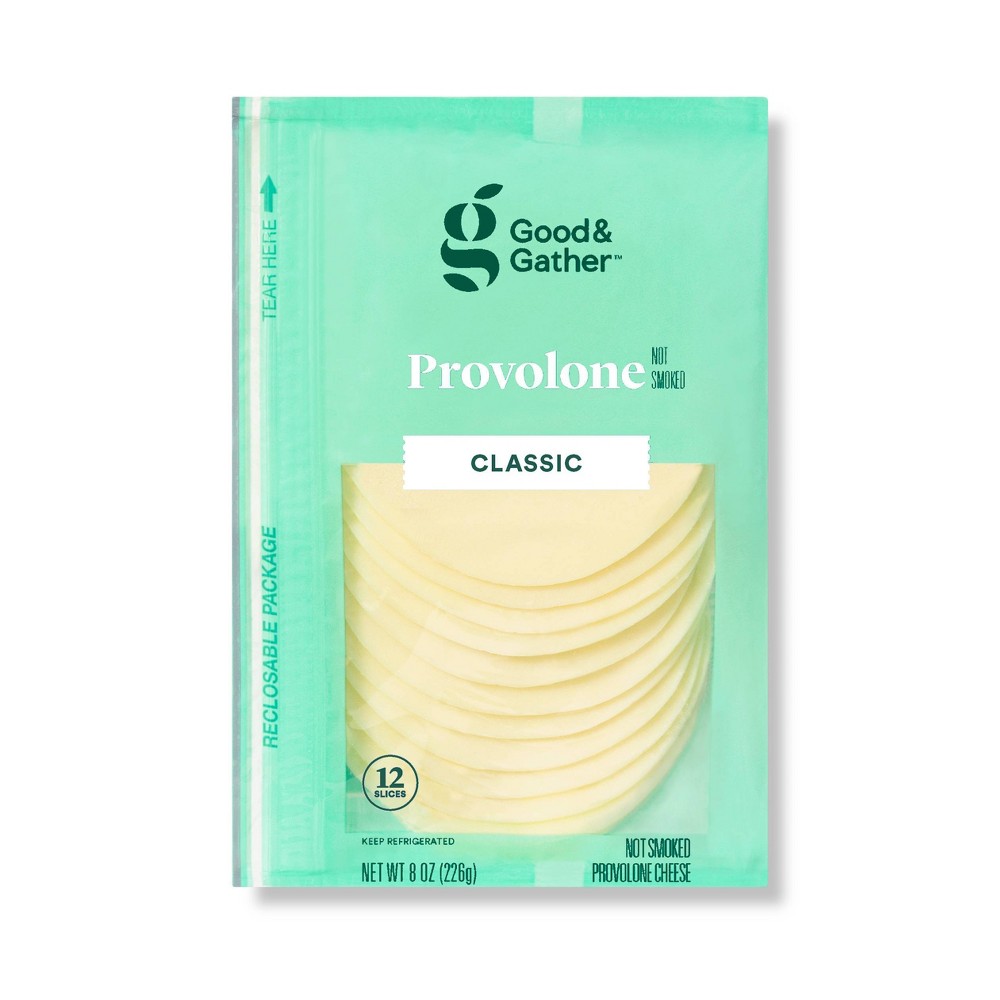
Provolone Piccante is a processed cheese with a relatively simple ingredient list, but it includes preservatives such as potassium sorbate and natamycin. These additives, while effective in preventing spoilage, are not natural and can cause reactions in sensitive individuals. The cheese's processing level and the presence of these preservatives limit its score, despite its high protein content and minimal carbohydrate presence.
Key ingredients 5
MilkGood
Whole dairy ingredient.
Risks
Potential risks include lactose intolerance and allergies in some individuals.
Benefits
Milk is a good source of calcium and protein, which are important for bone health and muscle maintenance.
SaltNeutral
Salt is used in cheese making for flavor and preservation. It is a refined ingredient without the trace minerals found in unrefined salts. Excessive consumption can contribute to high blood pressure.
Risks
High sodium intake is associated with increased risk of hypertension and cardiovascular diseases.
Benefits
Salt enhances flavor and acts as a preservative in cheese.
Animal RennetNeutral
Animal rennet is an enzyme used in cheese production to coagulate milk. It is derived from the stomach lining of calves. This traditional method is effective for producing a wide range of cheeses.
Benefits
Rennet is essential for the cheese-making process, contributing to the texture and flavor of the final product.
Potassium SorbateBad
Potassium sorbate is a preservative used to inhibit mold and yeast growth in cheese. It is a synthetic additive that can cause allergic reactions in sensitive individuals. While effective, it is not a natural ingredient.
Risks
Potential allergic reactions and sensitivities in some individuals.
Benefits
Extends shelf life by preventing spoilage from mold and yeast.
NatamycinBad
Natamycin is an antifungal agent used to prevent mold growth on cheese surfaces. It is a natural preservative but can cause irritation in some people. Its use is generally considered safe within regulated limits.
Risks
Possible irritation or allergic reactions in sensitive individuals.
Benefits
Helps maintain product quality by preventing mold growth.
Processing
Processed Foods
Get the full breakdown in the Scout appTake Scout shopping
Scan any product to see lab results, healthy alternatives, and your personalized analysis.
Download on theApp Store GET IT ONGoogle Play