



At a glance
Summary
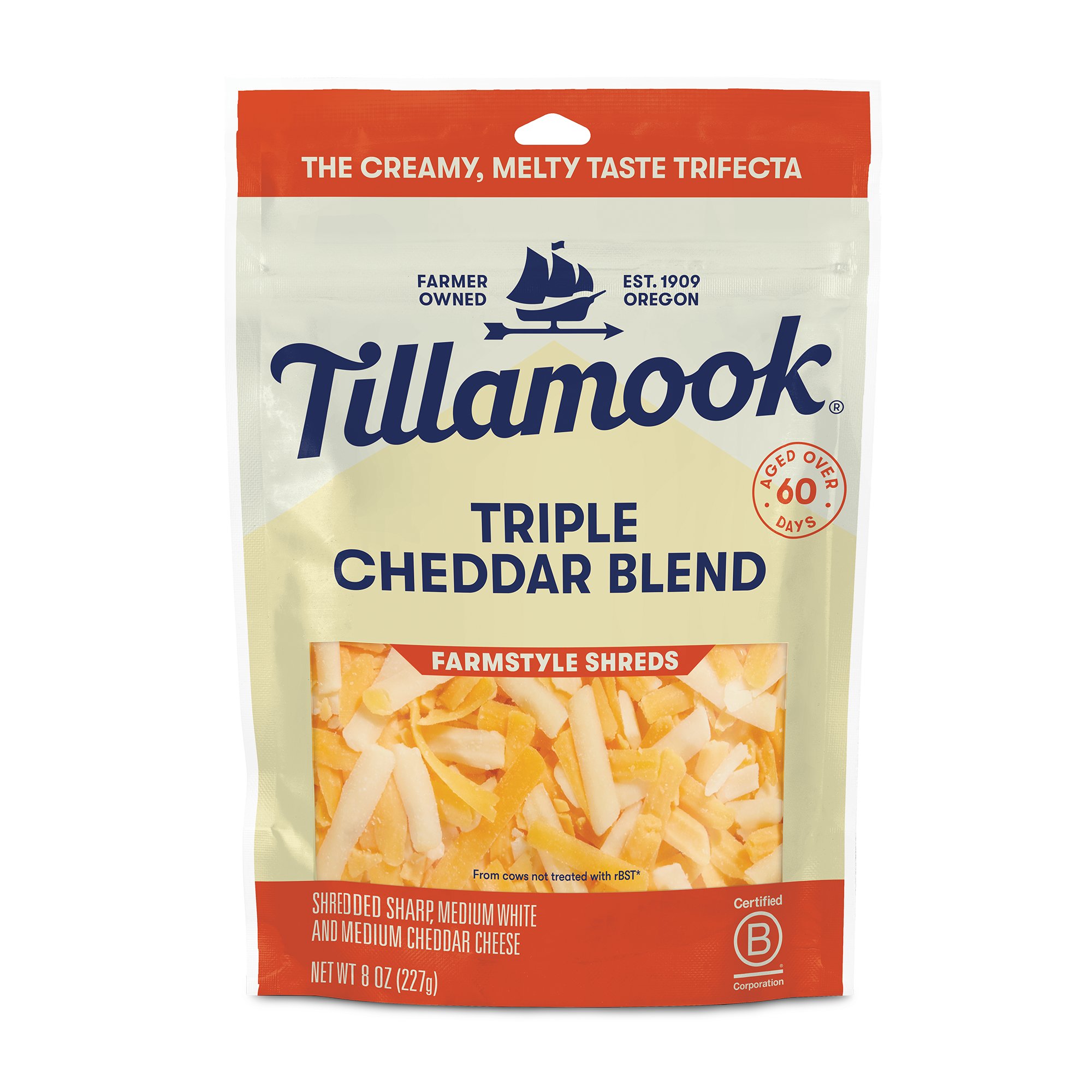
This cheese blend is ultra-processed, which limits its score despite having a relatively simple ingredient list. The presence of natamycin, a synthetic preservative, contributes to its processing level. However, it lacks industrial seed oils and artificial dyes, which are common in more heavily penalized products.
Key ingredients 6
Cultured milkNeutral
Cultured milk is a primary ingredient in cheese, providing essential proteins and fats. It undergoes fermentation, which can enhance digestibility and probiotic content. However, without specific quality indicators like organic or grass-fed, it remains neutral.
Risks
Potential lactose intolerance issues for sensitive individuals.
Benefits
Provides proteins and fats essential for nutrition and may contain beneficial probiotics.
SaltNeutral
Salt is used for flavor and preservation in cheese products. It is a common ingredient without significant health benefits or detriments in moderate amounts. The lack of specification as sea salt or unrefined keeps it neutral.
Risks
Excessive consumption may contribute to high blood pressure.
EnzymesNeutral
Enzymes are essential for the cheese-making process, aiding in the breakdown of milk proteins. They are typically derived from microbial or animal sources. Without specific details on the source, they are considered neutral.
Benefits
Facilitates the cheese-making process by breaking down proteins.
AnnattoNeutral
Annatto is a natural coloring agent derived from the seeds of the achiote tree. It is used to impart a yellow-orange color to cheese. As a natural additive, it is generally considered safe and neutral.
Risks
Rare allergic reactions may occur in sensitive individuals.
Benefits
Provides natural color without synthetic dyes.
Potato starchNeutral
Potato starch is used as an anti-caking agent in shredded cheese products. It is a natural carbohydrate with no significant health benefits or risks. Its role is primarily functional, maintaining product texture.
Benefits
Helps prevent clumping in shredded cheese products.
NatamycinBad
Natamycin is a preservative used to prevent mold growth in cheese. It is an antifungal agent that can be considered controversial due to its synthetic nature. While effective, its use in food products is debated.
Risks
Potential for allergic reactions and concerns about long-term consumption of preservatives.
Benefits
Prevents mold growth, extending the shelf life of cheese products.
Processing
Ultra-Processed Foods
Get the full breakdown in the Scout appTake Scout shopping
Scan any product to see lab results, healthy alternatives, and your personalized analysis.
Download on theApp Store GET IT ONGoogle Play