


:format(jpg)/d2lnr5mha7bycj.cloudfront.net/product-image/file/large_4dd0cb05-9b18-4332-bf4f-0bf8c3a2b6c4.jpg)
At a glance
Summary
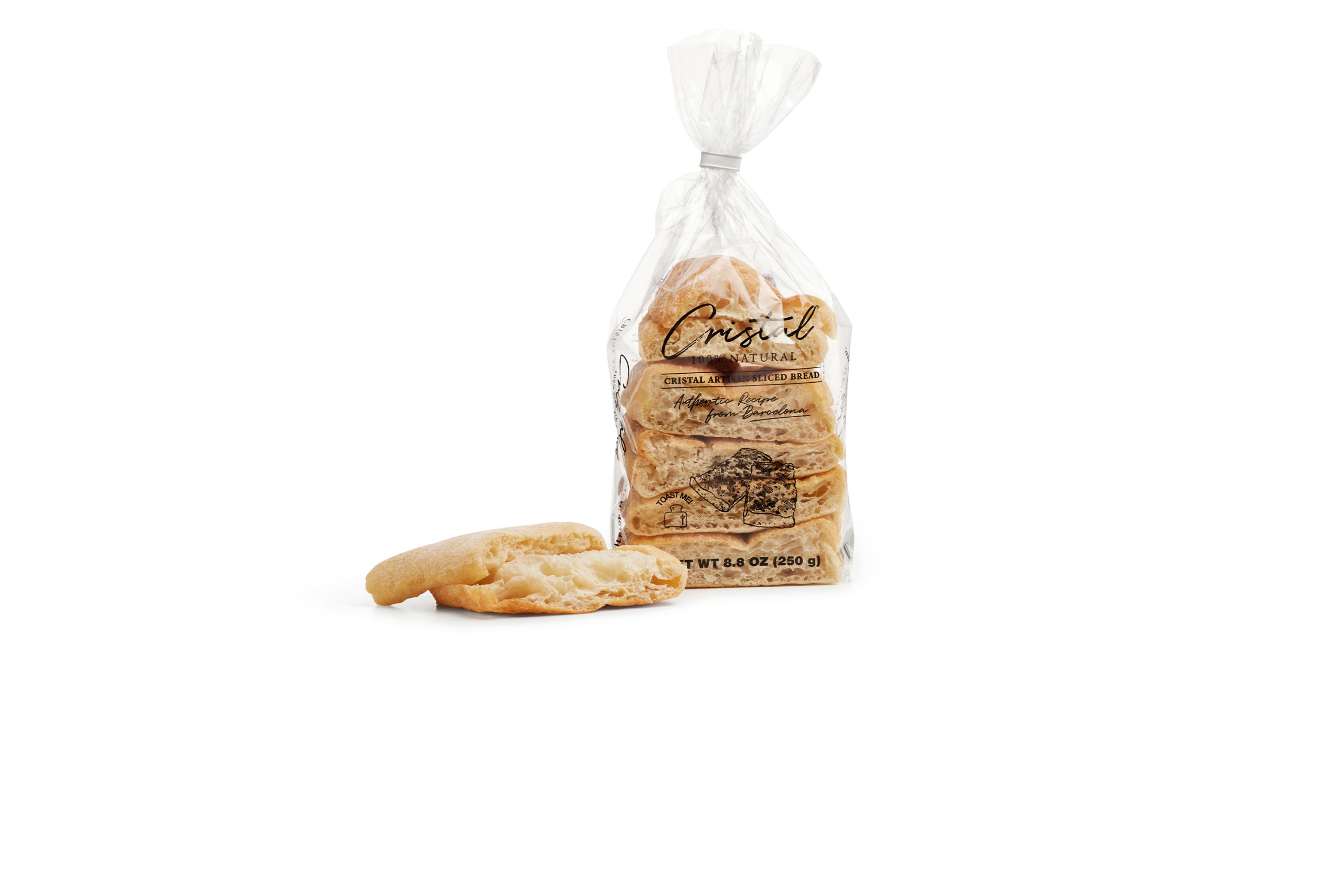
This white sliced toasting loaf is a processed food with a relatively simple ingredient list, primarily composed of wheat flour, water, and essential nutrients like vitamins and minerals. The inclusion of fortifying vitamins and minerals such as Vitamin D, B1, B3, calcium, and iron enhances its nutritional profile. However, the use of refined wheat flour and the product's processed nature limit its score, as it lacks the fiber and nutrient density found in whole grain alternatives.
Key ingredients 8
WaterNeutral
Water is a neutral ingredient essential for dough formation, with no significant health impact.
See more about Water →SaltNeutral
Salt is used for flavor and preservation, but in moderation, it does not pose health risks.
See more about Salt →Vitamin D YeastNeutral
Vitamin D Yeast is added to enrich the bread with nutrients, supporting bone health.
Vitamin B3Neutral
Vitamin B3 is included to fortify the bread with essential nutrients that support metabolism.
See more about Vitamin B3 →Vitamin B1Neutral
Vitamin B1 helps in energy production and is added to improve nutritional value.
See more about Vitamin B1 →CalciumNeutral
Calcium is added to support bone health and prevent deficiencies.
See more about Calcium →IronNeutral
Iron is essential for blood health and oxygen transport, included for nutritional enrichment.
See more about Iron →WheatflourBad
Wheatflour is highly processed and refined, which can reduce its nutritional value and fiber content.
Processing
Processed Foods
Get the full breakdown in the Scout appTake Scout shopping
Scan any product to see lab results, healthy alternatives, and your personalized analysis.
Download on theApp Store GET IT ONGoogle Play