


At a glance
Summary
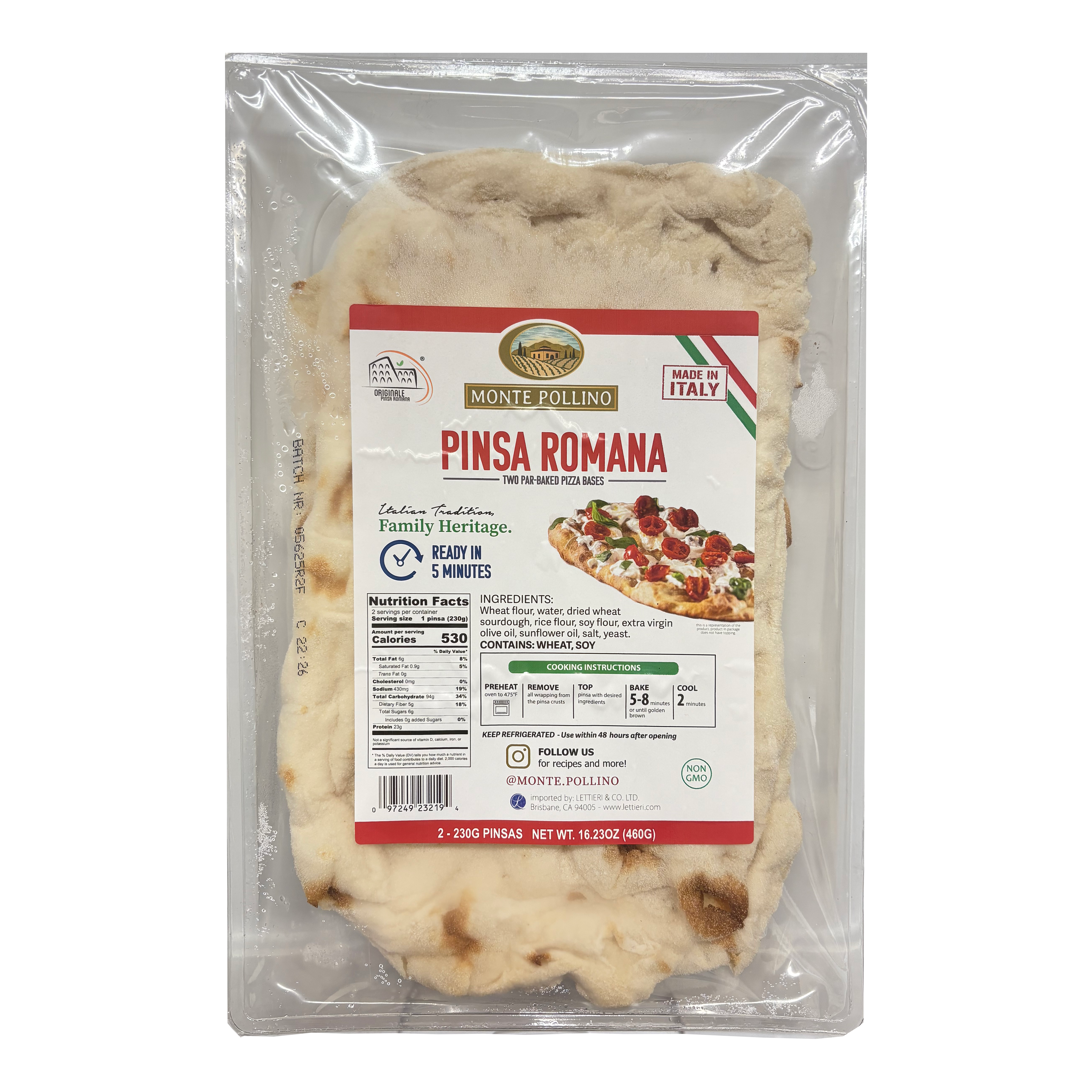
Pinsa Bread contains a mix of beneficial ingredients like olive oil and extra virgin olive oil, which are healthy fats, and dried wheat sourdough, which enhances flavor and nutrient absorption. However, the presence of sugar, maltodextrin, and natural flavors introduces concerns due to their potential health impacts and the lack of transparency. The product is moderately processed, which limits its score despite some positive ingredient qualities.
Key ingredients 13
Extra virgin olive oilVery Good
Extra virgin olive oil is a high-quality oil rich in monounsaturated fats and antioxidants. It supports heart health and has anti-inflammatory properties. Cold-pressed extraction preserves its beneficial compounds.
Benefits
Rich in monounsaturated fats and antioxidants, supporting heart health and reducing inflammation.
Dried wheat sourdoughGood
Dried wheat sourdough adds flavor and can improve the digestibility of bread. The fermentation process can enhance nutrient absorption. It contributes to a more complex flavor profile.
Benefits
Improves flavor and digestibility of bread through natural fermentation processes.
Olive oilGood
Olive oil is a healthy fat rich in monounsaturated fatty acids, which support heart health. It contains antioxidants that can reduce inflammation. Cold-pressed olive oil retains more nutrients and flavor.
Benefits
Rich in monounsaturated fats and antioxidants, supporting heart health and reducing inflammation.
Rice flourNeutral
Rice flour is a gluten-free alternative often used to improve texture in baked goods. It is low in fiber and protein compared to whole grain flours. It is suitable for those with gluten sensitivities.
Risks
Low in fiber and protein, which may not be ideal for balanced nutrition.
Benefits
Gluten-free and suitable for individuals with gluten intolerance or celiac disease.
Soy flourNeutral
Soy flour is a high-protein flour that can enhance the nutritional profile of baked goods. It may contain phytoestrogens, which can affect hormone levels in sensitive individuals. It is a good source of plant-based protein.
Risks
Contains phytoestrogens that may affect hormone levels in some individuals.
Benefits
Provides a good source of plant-based protein and can improve the nutritional content of baked goods.
Rice starchNeutral
Rice starch is used as a thickening agent and to improve texture. It is a refined carbohydrate with minimal nutritional value. It is often used in gluten-free products to mimic the texture of gluten-containing flours.
Risks
Minimal nutritional value as it is a refined carbohydrate.
Benefits
Helps improve texture in gluten-free products.
WaterNeutral
Water is a fundamental ingredient in bread-making, providing moisture and aiding in the mixing process. It has no nutritional value but is essential for dough formation. It is a neutral ingredient with no health concerns.
Benefits
Essential for dough formation and hydration in bread-making.
YeastNeutral
Baker's/nutritional yeast in standard use — benign.
Benefits
Facilitates fermentation, improving flavor and texture of bread.
SaltNeutral
Salt is used to enhance flavor and control yeast activity in bread. Excessive consumption can lead to high blood pressure. It is a necessary ingredient in small amounts for flavor and preservation.
Risks
Excessive salt intake can contribute to high blood pressure.
Benefits
Enhances flavor and acts as a preservative in bread.
Wheat flourBad
Refined grain flour stripped of bran and germ.
Risks
Refined wheat flour can contribute to blood sugar spikes and lacks the fiber found in whole grains.
Benefits
Provides essential carbohydrates for energy and is a key component in traditional bread-making.
Natural flavorBad
Natural flavors are often used to enhance taste but can be vague in terms of actual content. They may contain a variety of compounds, some of which can cause allergic reactions. Lack of transparency in labeling can be a concern for consumers.
Risks
Potential for allergic reactions and lack of transparency in ingredient composition.
Benefits
Enhances flavor without adding calories.
SugarBad
Sugar is added for sweetness and to feed yeast during fermentation. Excessive sugar consumption is linked to various health issues, including obesity and diabetes. It is a refined carbohydrate with minimal nutritional benefits.
Risks
Linked to obesity, diabetes, and other metabolic disorders when consumed in excess.
Benefits
Provides energy and aids in yeast fermentation.
MaltodextrinBad
Maltodextrin is a highly processed carbohydrate used as a thickener and preservative. It has a high glycemic index, which can cause rapid spikes in blood sugar levels. It is often used in processed foods for texture and stability.
Risks
Can cause rapid blood sugar spikes and is a highly processed ingredient.
Benefits
Provides texture and stability in processed foods.
Processing
Processed Foods
Get the full breakdown in the Scout appTake Scout shopping
Scan any product to see lab results, healthy alternatives, and your personalized analysis.
Download on theApp Store GET IT ONGoogle Play