


At a glance
Summary
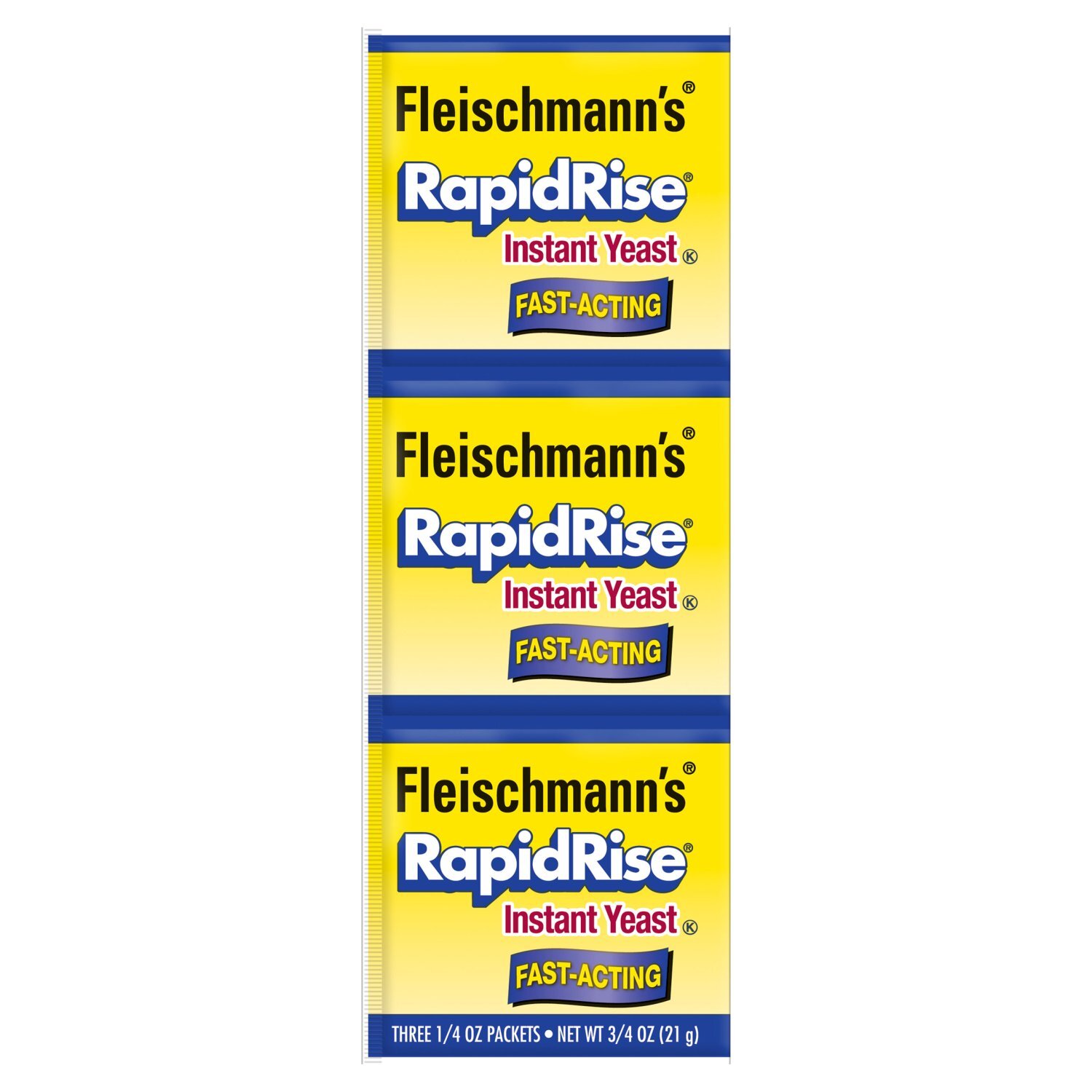
This product contains beneficial ingredients like brewer's yeast and various B vitamins, which support energy metabolism and overall health. However, it is classified as ultra-processed due to the inclusion of additives and the presence of gluten and sulfites, which may be concerning for sensitive individuals. The high level of processing limits its overall health score despite the presence of nutritious components.
Key ingredients 10
Brewer's YeastGood
Brewer's yeast is a rich source of B vitamins and protein, supporting energy metabolism and muscle health. It is a natural ingredient with minimal processing, retaining its nutritional profile. The presence of gluten and sulfites may pose concerns for sensitive individuals.
Risks
Contains gluten and sulfites, which can cause allergic reactions or sensitivities in some individuals.
Benefits
Provides essential B vitamins and protein, contributing to energy production and overall nutritional support.
NiacinGood
Niacin, also known as vitamin B3, is essential for converting food into energy and maintaining healthy skin and nerves. It is typically added to supplements to enhance nutritional value. Niacin is well-absorbed and supports cardiovascular health.
Risks
High doses may cause flushing or liver damage, but these effects are rare at typical supplement levels.
Benefits
Supports energy metabolism and cardiovascular health, and is crucial for maintaining healthy skin and nerves.
Pantothenic AcidGood
Pantothenic acid, or vitamin B5, is vital for synthesizing coenzyme A, which is crucial for fatty acid metabolism. It is commonly included in supplements to support energy production. This vitamin is generally well-tolerated and beneficial for adrenal function.
Benefits
Essential for energy production and supports adrenal health and fatty acid metabolism.
Zinc SulfateGood
Zinc sulfate is a mineral supplement that supports immune function and wound healing. It is often used in supplements to ensure adequate zinc intake. Zinc is crucial for enzyme function and cellular metabolism.
Risks
Excessive intake can lead to nausea, vomiting, and immune dysfunction.
Benefits
Supports immune health and is essential for enzyme function and cellular metabolism.
Vitamin B12Good
Vitamin B12 is crucial for nerve function and the production of DNA and red blood cells. It is often added to supplements to prevent deficiency, especially in vegetarians and the elderly. B12 is well-absorbed in supplement form and supports cognitive health.
Benefits
Supports nerve health, cognitive function, and red blood cell production.
Vitamin B6Good
Vitamin B6 is important for protein metabolism and cognitive development. It is commonly included in supplements to support brain health and immune function. B6 is essential for neurotransmitter synthesis and hormone regulation.
Risks
Excessive intake can lead to nerve damage, but this is rare at typical supplement levels.
Benefits
Supports brain health, immune function, and hormone regulation.
ThiamineGood
Thiamine, or vitamin B1, is essential for energy metabolism and nerve function. It is often added to supplements to prevent deficiency and support overall health. Thiamine is crucial for carbohydrate metabolism and neurological health.
Benefits
Supports energy metabolism and neurological health.
RiboflavinGood
Riboflavin, or vitamin B2, is important for energy production and cellular function. It is commonly included in supplements to support skin health and energy levels. Riboflavin is essential for the metabolism of fats, drugs, and steroids.
Benefits
Supports energy production and is essential for cellular function and skin health.
BiotinGood
Biotin, or vitamin B7, is important for carbohydrate, fat, and protein metabolism. It is often included in supplements to support hair, skin, and nail health. Biotin is essential for enzyme function and energy production.
Benefits
Supports metabolism and is beneficial for hair, skin, and nail health.
Folic AcidNeutral
Standard formulation ingredient — neither beneficial nor harmful at typical use.
Risks
Excessive intake can mask vitamin B12 deficiency symptoms.
Benefits
Supports DNA synthesis, cell division, and cardiovascular health.
Processing
Ultra-Processed Foods
Get the full breakdown in the Scout appTake Scout shopping
Scan any product to see lab results, healthy alternatives, and your personalized analysis.
Download on theApp Store GET IT ONGoogle Play