

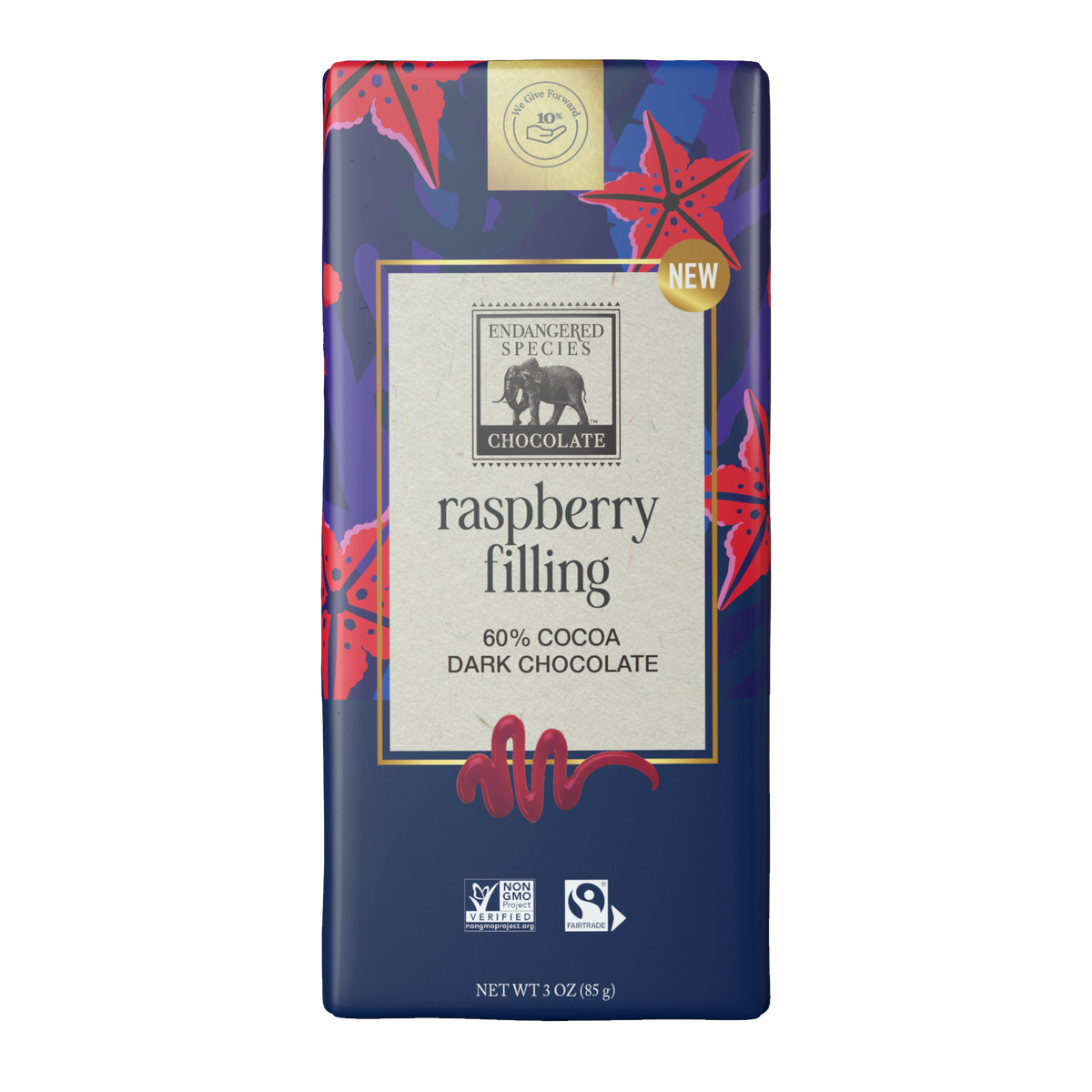


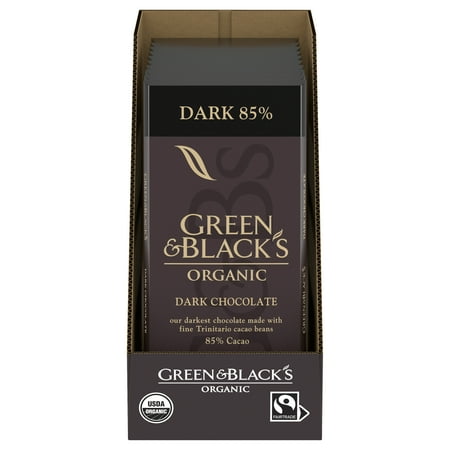
At a glance
Summary
This product is ultra-processed, which limits its healthiness despite the use of organic ingredients. It contains added sugars and multiple thickeners, which contribute to its processing level. However, the presence of organic cocoa and chocolate, which are beneficial for their antioxidant properties, slightly improves its overall quality.
Key ingredients 9
Cocoa powderGood
Cocoa powder is rich in antioxidants and flavonoids, which have been linked to various health benefits. The cocoa used is organic, enhancing its quality and reducing exposure to pesticides. It can support cardiovascular health and improve mood.
Benefits
Rich in antioxidants that may support heart health and improve mood.
ChocolateGood
Chocolate contains cocoa solids which are high in antioxidants and beneficial compounds. The chocolate used is organic, which is a quality indicator. It can provide cardiovascular benefits and enhance mood.
Risks
High in calories and sugar, which can contribute to weight gain if consumed in excess.
Benefits
Contains antioxidants that may support heart health and improve mood.
Sea saltGood
Unrefined sea salt — a minimally processed, natural source of sodium and essential trace minerals, and a legitimate whole-food seasoning. Treated as a positive ingredient.
Risks
Excessive sodium intake can lead to hypertension and cardiovascular issues.
Benefits
Contains trace minerals and provides essential sodium for bodily functions.
Unrefined cane sugarNeutral
Unrefined cane sugar is a less processed form of sugar, retaining some molasses content. It is still a source of simple carbohydrates and should be consumed in moderation. Compared to refined sugar, it may contain trace minerals.
Risks
Excessive consumption of sugar can lead to health issues such as obesity and diabetes.
Benefits
Provides quick energy and contains trace minerals not found in refined sugar.
Rice starchNeutral
Rice starch is used as a thickening agent and is generally considered safe. It is a carbohydrate source with minimal nutritional value. It is gluten-free, making it suitable for those with gluten sensitivities.
Benefits
Provides a gluten-free thickening option for food products.
Natural cocoa flavorNeutral
Natural cocoa flavor is used to enhance the taste of chocolate products. It is derived from cocoa and is generally considered safe. It does not provide significant nutritional benefits.
Benefits
Enhances the flavor profile of chocolate products.
Guar gumNeutral
Guar gum is a natural thickening agent derived from guar beans. It is used to improve texture and stability in food products. It is generally recognized as safe but can cause digestive issues in large amounts.
Risks
May cause digestive discomfort if consumed in large quantities.
Benefits
Improves texture and stability in food products.
Xanthan gumNeutral
Xanthan gum is a polysaccharide used as a thickening and stabilizing agent. It is produced through fermentation and is widely used in the food industry. It is generally safe but can cause digestive issues for some individuals.
Risks
May cause digestive discomfort in sensitive individuals.
Benefits
Enhances texture and stability in food products.
SoybeansBad
Soybeans are a common source of plant-based protein but can be problematic due to potential allergenicity and phytoestrogen content. The soybeans used are organic and non-GMO, which is a positive aspect. However, soy protein is less bioavailable compared to animal-based proteins.
Risks
Soybeans contain phytoestrogens which may affect hormone levels and are a common allergen.
Benefits
Organic soybeans provide a source of plant-based protein and contain essential amino acids.
Processing
Ultra-Processed Foods
Get the full breakdown in the Scout appTake Scout shopping
Scan any product to see lab results, healthy alternatives, and your personalized analysis.
Download on theApp Store GET IT ONGoogle Play