

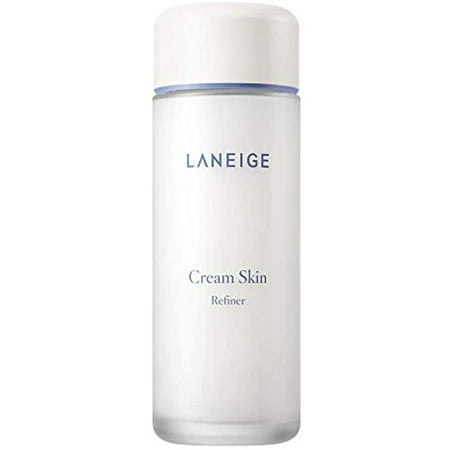


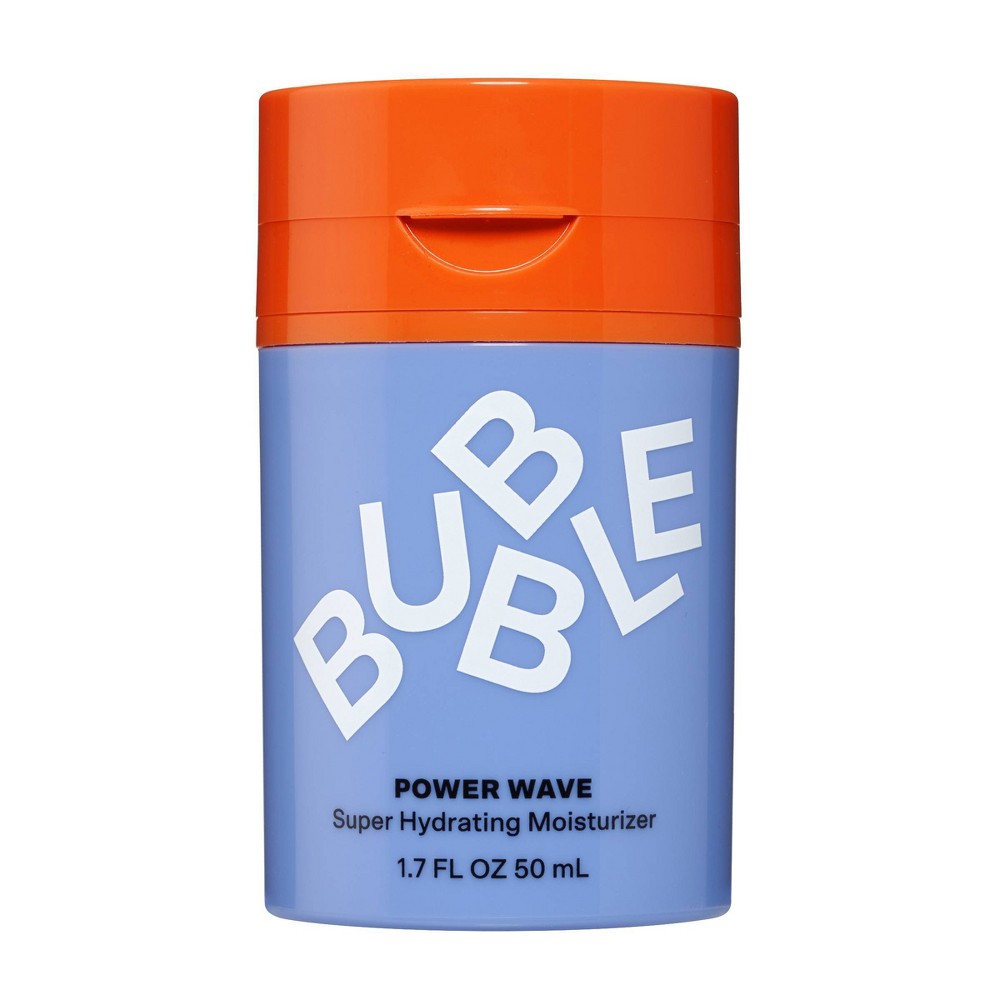
Caudalie Vinosource-Hydra Moisturizing Sorbet
Analysis updated July 2026 · How Scout scores
At a glance
Summary
This moisturizer contains beneficial ingredients like shea butter, grape seed extract, and chamomile extract, which are known for their hydrating and soothing properties. However, the presence of synthetic fragrance and acrylate polymers introduces potential skin irritants and detracts from the overall ingredient safety. The product is moderately processed, which impacts its overall score.
Key ingredients 35
Butyrospermum Parkii (Shea) Butter ExtractVery Good
Shea butter is a natural fat extracted from the nuts of the shea tree, known for its moisturizing and anti-inflammatory properties. It helps to nourish and protect the skin.
Risks
Rarely, it may cause allergic reactions in sensitive individuals.
Benefits
Deeply moisturizes and soothes the skin.
TocopherolVery Good
Tocopherol, or Vitamin E, is a powerful antioxidant that helps protect the skin from free radical damage. It also has moisturizing and anti-inflammatory properties.
Risks
Very low risk of irritation.
Benefits
Protects the skin from damage and provides moisture.
Helianthus Annuus (Sunflower) Seed OilVery Good
Sunflower seed oil is rich in essential fatty acids and vitamins, providing excellent moisturizing and skin barrier repair properties. It is also known for its anti-inflammatory effects.
Risks
Very low risk of irritation.
Benefits
Moisturizes and repairs the skin barrier.
Chamomilla Recutita (Matricaria) Flower ExtractVery Good
Chamomile extract is known for its soothing and anti-inflammatory properties. It helps to calm irritated skin and reduce redness.
Risks
Very low risk of irritation.
Benefits
Soothes and calms the skin.
Vitis Vinifera (Grape) Fruit WaterGood
Grape fruit water is known for its antioxidant properties, which can help protect the skin from environmental damage. It is also hydrating and soothing for the skin.
Risks
Generally safe with minimal risk of irritation.
Benefits
Provides antioxidants and hydration to the skin.
GlycerinGood
Glycerin is a humectant that attracts moisture to the skin, helping to keep it hydrated. It is widely used in skincare for its moisturizing properties.
Risks
Very low risk of irritation.
Benefits
Excellent moisturizer that helps maintain skin hydration.
Palmitoyl Grape Seed ExtractGood
Palmitoyl grape seed extract is rich in antioxidants and helps to protect the skin from oxidative stress. It also has moisturizing properties.
Risks
Generally safe with minimal risk of irritation.
Benefits
Provides antioxidant protection and moisturization.
Vitis Vinifera (Grape) JuiceGood
Grape juice is rich in antioxidants, which help to protect the skin from environmental damage. It also provides hydration and nourishment to the skin.
Risks
Generally safe with minimal risk of irritation.
Benefits
Provides antioxidants and hydration to the skin.
Sodium Carboxymethyl Beta-GlucanGood
Beta-glucan is a polysaccharide with excellent moisturizing and skin-soothing properties. It helps to enhance the skin's natural barrier and reduce irritation.
Risks
Generally safe with minimal risk of irritation.
Benefits
Moisturizes and soothes the skin.
Sodium HyaluronateGood
Sodium hyaluronate is a form of hyaluronic acid known for its excellent hydrating properties. It helps to retain moisture in the skin, making it plump and smooth.
Risks
Very low risk of irritation.
Benefits
Deeply hydrates and plumps the skin.
Acetyl Tetrapeptide-15Good
Acetyl tetrapeptide-15 is a peptide used for its skin-soothing and anti-irritant properties. It helps to reduce skin sensitivity and improve comfort.
Risks
Generally safe with minimal risk of irritation.
Benefits
Soothes the skin and reduces sensitivity.
Aqua/Water/EauNeutral
Water is a common solvent used in cosmetics to dissolve other ingredients. It helps in the application and absorption of the product. It does not provide direct benefits or risks.
Benefits
Essential for dissolving and mixing other ingredients.
Dicaprylyl EtherNeutral
Dicaprylyl ether is used as an emollient and skin conditioning agent. It helps to improve the texture and spreadability of the product. It is generally considered safe for use in cosmetics.
Risks
Low risk of skin irritation.
Benefits
Improves product texture and skin feel.
C12-16 AlcoholsNeutral
C12-16 alcohols are fatty alcohols used as emollients and thickening agents in cosmetics. They help to improve the texture and stability of the product.
Risks
Generally considered safe with low risk of irritation.
Benefits
Enhances product texture and stability.
HexyldecanolNeutral
Hexyldecanol is an emollient that helps to soften and smooth the skin. It is used to improve the texture of cosmetic formulations.
Risks
Low risk of skin irritation.
Benefits
Softens and smooths the skin.
Hexyldecyl LaurateNeutral
Hexyldecyl laurate is used as an emollient and skin conditioning agent. It helps to improve the spreadability and feel of the product on the skin.
Risks
Low risk of irritation.
Benefits
Improves product spreadability and skin feel.
Palmitic AcidNeutral
Palmitic acid is a fatty acid used as an emollient and surfactant in cosmetics. It helps to soften the skin and improve the texture of the product.
Risks
Low risk of irritation.
Benefits
Softens the skin and improves product texture.
ErythritolNeutral
Erythritol is a sugar alcohol used as a humectant and skin conditioning agent. It helps to retain moisture in the skin.
Risks
Low risk of irritation.
Benefits
Helps retain moisture in the skin.
Caprylyl GlycolNeutral
Caprylyl glycol is used as a skin conditioning agent and preservative booster. It helps to improve the moisture content of the skin.
Risks
Low risk of irritation.
Benefits
Enhances skin moisture and product preservation.
MannitolNeutral
Mannitol is a sugar alcohol used as a humectant and skin conditioning agent. It helps to retain moisture in the skin.
Risks
Low risk of irritation.
Benefits
Helps retain moisture in the skin.
Xanthan GumNeutral
Xanthan gum is used as a thickening and stabilizing agent in cosmetics. It helps to maintain the consistency and stability of the product.
Risks
Low risk of irritation.
Benefits
Stabilizes and thickens the product.
Sodium HydroxideNeutral
Sodium hydroxide is used to adjust the pH of cosmetic formulations. It is effective in small amounts but can be irritating in higher concentrations.
Risks
Potential for irritation if used in high concentrations.
Benefits
Helps maintain the desired pH of the product.
Sodium CitrateNeutral
Sodium citrate is used as a buffering agent to control the pH of cosmetic products. It helps to maintain the stability and effectiveness of the formulation.
Risks
Low risk of irritation.
Benefits
Helps maintain product stability and pH.
Citric AcidNeutral
Citric acid is used to adjust the pH of cosmetic formulations and as a mild exfoliant. It helps to maintain the stability and effectiveness of the product.
Risks
Potential for irritation if used in high concentrations.
Benefits
Helps maintain product stability and provides mild exfoliation.
Sodium PhytateNeutral
Sodium phytate is used as a chelating agent to stabilize cosmetic formulations. It helps to prevent the degradation of the product by binding metal ions.
Risks
Low risk of irritation.
Benefits
Stabilizes the product by binding metal ions.
Biosaccharide Gum-1Neutral
Biosaccharide gum-1 is a polysaccharide used for its moisturizing and skin-soothing properties. It helps to improve the texture and feel of the product.
Risks
Low risk of irritation.
Benefits
Moisturizes and soothes the skin.
Sodium LevulinateNeutral
Sodium levulinate is used as a preservative and skin conditioning agent. It helps to maintain the product's freshness and improve skin feel.
Risks
Low risk of irritation.
Benefits
Preserves the product and conditions the skin.
Glyceryl CaprylateNeutral
Glyceryl caprylate is used as an emollient and co-emulsifier in cosmetics. It helps to improve the texture and stability of the product.
Risks
Low risk of irritation.
Benefits
Enhances product texture and stability.
Homarine HclNeutral
Homarine HCl is used for its moisturizing and skin conditioning properties. It helps to improve the hydration and feel of the skin.
Risks
Low risk of irritation.
Benefits
Moisturizes and conditions the skin.
Sodium AnisateNeutral
Sodium anisate is used as a preservative and skin conditioning agent. It helps to maintain the product's freshness and improve skin feel.
Risks
Low risk of irritation.
Benefits
Preserves the product and conditions the skin.
Acrylates/C10-30 Alkyl Acrylate CrosspolymerBad
Processed additive flagged under Scout's ingredient doctrine.
Risks
Low risk of skin irritation.
Benefits
Stabilizes and thickens the product.
LecithinBad
Processed additive flagged under Scout's ingredient doctrine.
Risks
Generally safe with minimal risk of irritation.
Benefits
Hydrates and restores the skin's barrier.
Sodium BenzoateBad
Synthetic preservative that can form benzene in the presence of vitamin C.
Risks
Low risk of irritation at recommended concentrations.
Benefits
Prevents microbial growth, extending product shelf life.
Potassium SorbateBad
Synthetic preservative — flagged in daily-use products.
Risks
Low risk of irritation at recommended concentrations.
Benefits
Prevents microbial growth, extending product shelf life.
Parfum (Fragrance)Very Bad
Fragrance is often added to cosmetics for scent but can cause skin irritation and allergic reactions. It is a common allergen in skincare products.
Risks
Potential for skin irritation and allergic reactions.
Benefits
Provides a pleasant scent to the product.
Get the full breakdown in the Scout appTake Scout shopping
Scan any product to see lab results, healthy alternatives, and your personalized analysis.
Download on theApp Store GET IT ONGoogle Play