



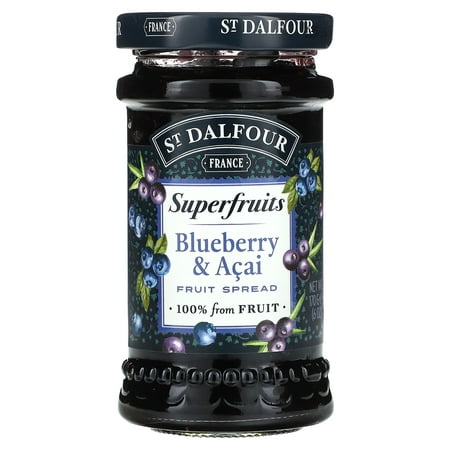
blackberry fruit spread
Analysis updated August 2026 · How Scout scores
At a glance
Summary
This blackberry fruit spread is ultra-processed, which limits its potential health score. While it contains beneficial blackberries, the presence of refined sugar and natural flavors detracts from its nutritional value. The use of additives like xanthan gum and pectin is moderate, but the overall processing level and added sugar content are significant factors in the rating.
Key ingredients 7
BlackberriesVery Good
Blackberries are rich in vitamins, minerals, and antioxidants, making them a highly nutritious fruit. They contain high levels of vitamin C and fiber, which support immune function and digestive health. The natural sugars in blackberries are balanced by their fiber content, reducing the impact on blood sugar levels.
Benefits
Rich in antioxidants and vitamin C, which support immune health and reduce oxidative stress. High fiber content aids in digestion and helps maintain stable blood sugar levels.
PectinNeutral
Pectin is a natural gelling agent derived from fruits, commonly used to thicken jams and jellies. It is a soluble fiber that can aid in digestion and help lower cholesterol levels. However, its nutritional impact is minimal in small quantities used in spreads.
Benefits
May aid in digestion and help lower cholesterol levels due to its soluble fiber content.
Lemon Juice ConcentrateNeutral
Lemon juice concentrate is used for its acidic properties to enhance flavor and preserve freshness. It provides a small amount of vitamin C but is often used in minimal quantities. The concentration process may reduce some of the natural nutrients found in fresh lemon juice.
Benefits
Provides a tangy flavor and some vitamin C, although in minimal amounts.
Xanthan GumNeutral
Xanthan gum is a common food additive used as a thickening and stabilizing agent. It is produced through the fermentation of sugars by the Xanthomonas campestris bacterium. While generally safe, it can cause digestive issues in sensitive individuals when consumed in large amounts.
Risks
May cause digestive discomfort in some individuals when consumed in large quantities.
Benefits
Helps improve texture and stability of food products without significant nutritional benefits.
Calcium CitrateNeutral
Calcium citrate is a calcium salt of citric acid used to fortify foods with calcium. It is more easily absorbed than some other forms of calcium, making it beneficial for bone health. However, the amount present in fruit spreads is typically minimal.
Benefits
Provides a bioavailable form of calcium that supports bone health, although in minimal amounts in this product.
SugarBad
Refined sugar is a high-calorie ingredient with no essential nutrients, contributing to empty calorie intake. Excessive consumption can lead to weight gain, increased blood sugar levels, and dental issues. It is often used to enhance sweetness but lacks nutritional benefits.
Risks
High intake of refined sugar can lead to obesity, type 2 diabetes, and dental cavities.
Natural FlavorBad
Natural flavors are additives used to enhance taste, but their exact composition is often undisclosed, leading to transparency issues. They can contain a variety of compounds, some of which may be synthetic. The lack of clarity about their source and composition is a concern for consumers seeking transparency.
Risks
Potential for undisclosed synthetic compounds and allergens, leading to transparency concerns.
Processing
Ultra-Processed Foods
Get the full breakdown in the Scout appTake Scout shopping
Scan any product to see lab results, healthy alternatives, and your personalized analysis.
Download on theApp Store GET IT ONGoogle Play