

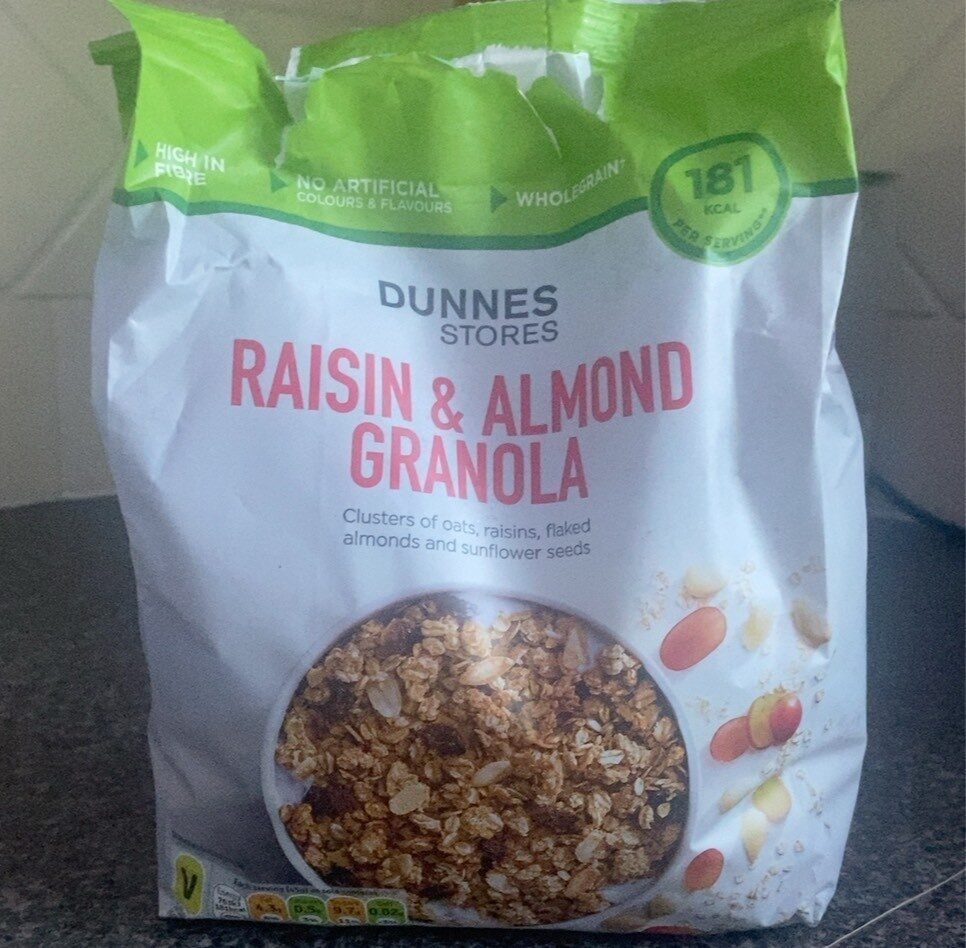


At a glance
Summary
This granola contains several beneficial ingredients such as gluten-free oats, almonds, raisins, and flax seeds, which provide essential nutrients and healthy fats. However, the presence of cane sugar, a refined sugar, contributes to a higher glycemic index and potential health issues when consumed excessively. The product is moderately processed, which limits its score despite the overall clean ingredient list.
Key ingredients 9
AlmondsVery Good
Almonds are a nutrient-dense nut rich in healthy fats, protein, and vitamins. They are minimally processed and provide a good source of monounsaturated fats. Regular consumption supports heart health and provides essential nutrients.
Benefits
Rich in vitamin E, magnesium, and healthy fats that support cardiovascular health and provide antioxidant benefits.
Gluten-free oatsGood
Oats are a whole grain that provide essential nutrients and fiber. They are minimally processed and retain their natural nutritional profile. Gluten-free oats are suitable for those with gluten sensitivities.
Benefits
Rich in dietary fiber, which supports digestive health and may help lower cholesterol levels.
HoneyGood
Traditional whole-food sweetener with trace enzymes and antioxidants.
Risks
Excessive consumption can contribute to high sugar intake and related health issues.
Benefits
Contains antioxidants and has antibacterial properties, which may offer some health benefits.
RaisinsGood
Raisins are dried grapes that provide natural sugars and fiber. They are minimally processed and retain most of their nutrients. Raisins offer a natural source of energy and essential minerals.
Risks
High natural sugar content may contribute to calorie intake if consumed in large quantities.
Benefits
Provide antioxidants, iron, and potassium, supporting overall health and energy levels.
Flax seedsGood
Flax seeds are a rich source of omega-3 fatty acids and dietary fiber. They are minimally processed and provide essential nutrients. Regular consumption supports heart health and digestive function.
Benefits
High in lignans and omega-3 fatty acids, which may reduce inflammation and support cardiovascular health.
Vanilla extractGood
Beneficial ingredient — whole-food or functional value in this product class.
Benefits
Provides flavor enhancement with minimal caloric impact.
Ground cinnamonGood
Cinnamon is a spice with antioxidant properties and potential health benefits. It is minimally processed and used for flavoring. Cinnamon may help regulate blood sugar levels and provide anti-inflammatory effects.
Benefits
Contains antioxidants and may support metabolic health and reduce inflammation.
Vegetable oilNeutral
Vegetable oil is a common cooking oil that provides essential fatty acids. The type of oil used can vary, affecting its health impact. It is typically refined and may contain omega-6 fatty acids.
Risks
High omega-6 content may promote inflammation when consumed in excess.
Benefits
Provides essential fatty acids necessary for various bodily functions.
Cane sugarBad
Cane sugar is a refined sugar that contributes to increased calorie intake without providing essential nutrients. It is processed to remove impurities, resulting in a high glycemic index. Excessive consumption can lead to health issues such as obesity and diabetes.
Risks
High intake of refined sugars can lead to weight gain, insulin resistance, and increased risk of chronic diseases.
Processing
Processed Foods
Get the full breakdown in the Scout appTake Scout shopping
Scan any product to see lab results, healthy alternatives, and your personalized analysis.
Download on theApp Store GET IT ONGoogle Play