

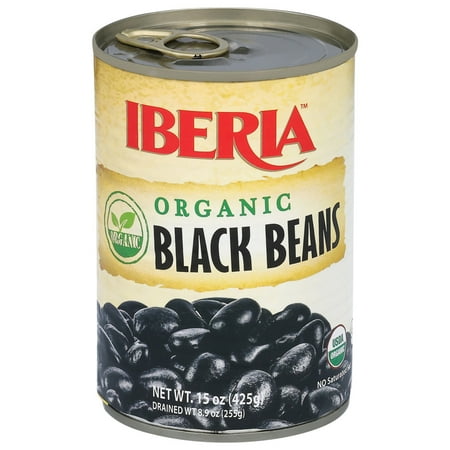
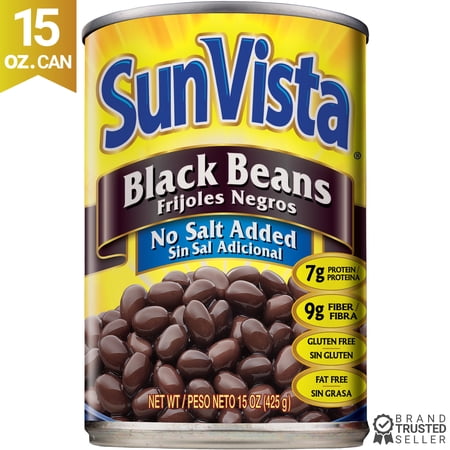

Near you
Aldi is carried at Aldi stores. Find one within 25 miles.
At a glance
Summary
This product contains a variety of natural ingredients such as black beans, ancho chili pepper, and flaxseed, which provide beneficial nutrients and flavors. However, the presence of refined sugar and the level of processing limit its score. Despite these factors, the overall ingredient quality remains relatively high, contributing to a favorable rating.
Key ingredients 15
Prepared black beansVery Good
Black beans are a rich source of protein and fiber, supporting digestive health and providing essential nutrients. They are minimally processed and retain most of their natural benefits. Compared to other legumes, they offer a good balance of macronutrients and micronutrients.
Benefits
Rich in protein and fiber, which support muscle health and digestion. Contains essential vitamins and minerals like folate and magnesium.
FlaxseedVery Good
Flaxseed is rich in omega-3 fatty acids and fiber, supporting heart health and digestion. It is a whole food ingredient that provides essential nutrients and lignans. Compared to processed oils, it offers a more balanced nutrient profile.
Benefits
Rich in omega-3 fatty acids and fiber, which support cardiovascular health and digestive function.
CornGood
Beneficial ingredient — whole-food or functional value in this product class.
Risks
May contribute to high carbohydrate intake if consumed in excess.
Benefits
Provides carbohydrates for energy and contains some fiber and essential nutrients like vitamin C.
Ancho chili pepperGood
Ancho chili pepper adds flavor and contains capsaicin, which may have anti-inflammatory properties. It is a natural ingredient that enhances the taste profile of foods. Compared to artificial flavorings, it provides a more authentic and healthful option.
Benefits
May provide anti-inflammatory benefits and enhance metabolism due to capsaicin content.
Smoked paprikaGood
Smoked paprika is a spice that adds flavor and color to dishes, containing antioxidants like carotenoids. It is a natural ingredient that enhances the sensory qualities of food. Compared to artificial colorings, it offers a more healthful alternative.
Benefits
Contains antioxidants that may help reduce oxidative stress and inflammation.
Dehydrated garlicGood
Dehydrated garlic retains the beneficial compounds of fresh garlic, including allicin, which may support immune health. It is a natural flavor enhancer with potential health benefits. Compared to artificial flavorings, it provides a more authentic and healthful option.
Benefits
May support immune function and cardiovascular health due to its bioactive compounds.
Dehydrated onionGood
Dehydrated onion provides flavor and contains antioxidants like quercetin, which may have anti-inflammatory effects. It is a natural ingredient that enhances the taste profile of foods. Compared to artificial flavorings, it offers a more healthful alternative.
Benefits
Contains antioxidants that may help reduce inflammation and support overall health.
PaprikaGood
Paprika is a spice that adds flavor and color, containing antioxidants like carotenoids. It is a natural ingredient that enhances the sensory qualities of food. Compared to artificial colorings, it offers a more healthful alternative.
Benefits
Contains antioxidants that may help reduce oxidative stress and inflammation.
Celery seedGood
Celery seed is used for flavor and may have diuretic properties, supporting kidney health. It is a natural ingredient with potential health benefits. Compared to synthetic additives, it offers a more natural option.
Benefits
May support kidney function and reduce inflammation due to its bioactive compounds.
TurmericGood
Turmeric contains curcumin, a compound with strong anti-inflammatory and antioxidant properties. It is a natural spice that supports overall health and wellness. Compared to synthetic additives, it provides a more healthful option with potential therapeutic benefits.
Benefits
May reduce inflammation and oxidative stress, supporting joint and cardiovascular health.
SpicesGood
Whole-food seasonings, antioxidant-bearing.
See more about Spices →WaterNeutral
Water is a neutral ingredient used as a base or solvent in food products. It does not contribute any calories or nutrients. It is essential for hydration but does not provide additional health benefits in this context.
See more about Water →Dry mustardNeutral
Dry mustard is used as a spice to add flavor and has minimal nutritional impact. It is a natural ingredient with no significant health concerns. While it enhances taste, it does not provide substantial health benefits.
SaltNeutral
Salt is used for flavor enhancement and preservation, providing sodium necessary for bodily functions. It is a common ingredient but can contribute to high sodium intake if overused. Compared to unrefined salts, it lacks trace minerals.
Risks
Excessive consumption can lead to high blood pressure and cardiovascular issues.
Benefits
Provides essential sodium for nerve and muscle function.
SugarBad
Refined sugar is associated with increased calorie intake without providing essential nutrients. It can contribute to weight gain and metabolic issues when consumed in excess. Unlike natural sugars found in whole foods, refined sugar lacks fiber and other beneficial compounds.
Risks
Excessive consumption can lead to obesity, diabetes, and other metabolic disorders.
Processing
Processed Foods
Get the full breakdown in the Scout appTake Scout shopping
Scan any product to see lab results, healthy alternatives, and your personalized analysis.
Download on theApp Store GET IT ONGoogle Play