


At a glance
Summary
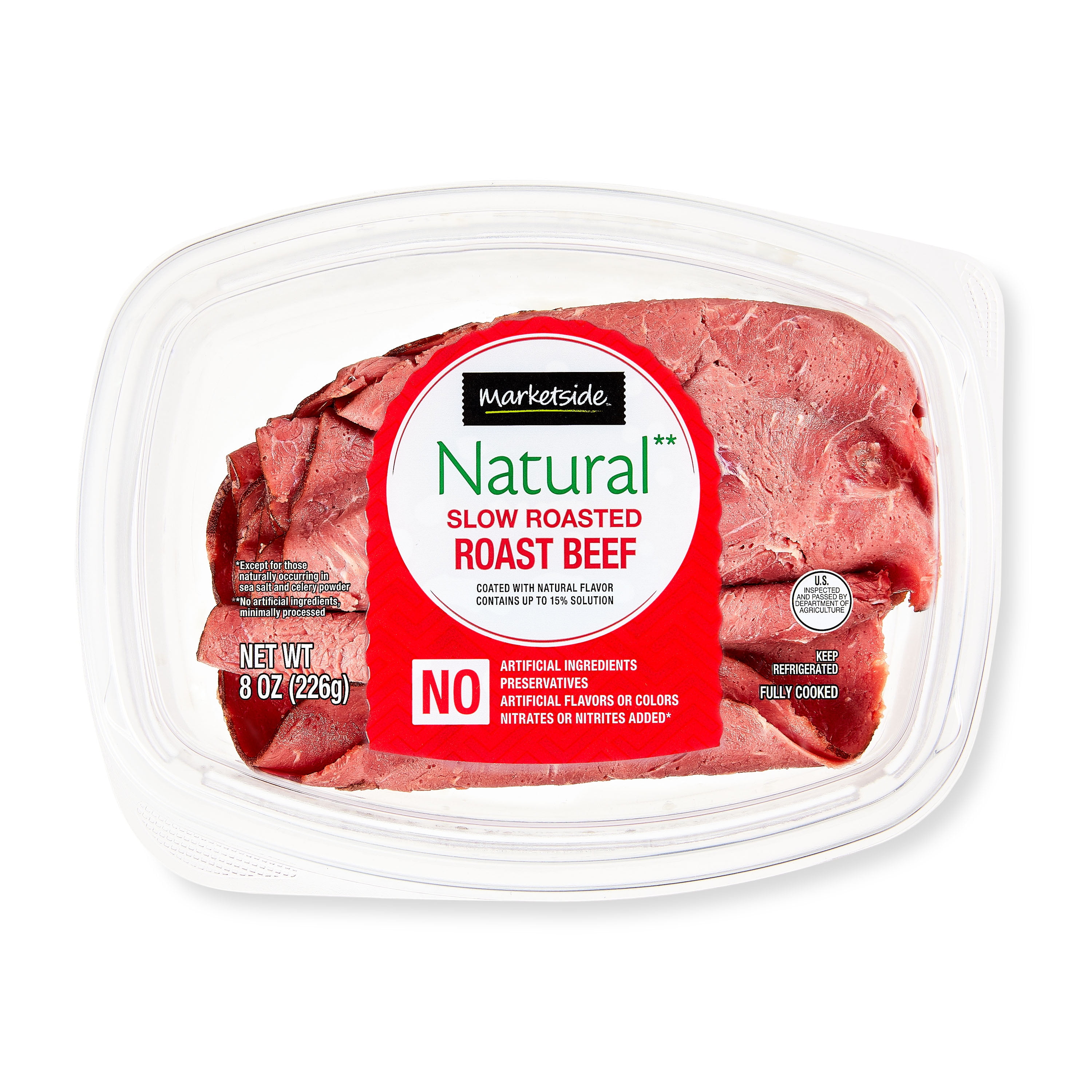
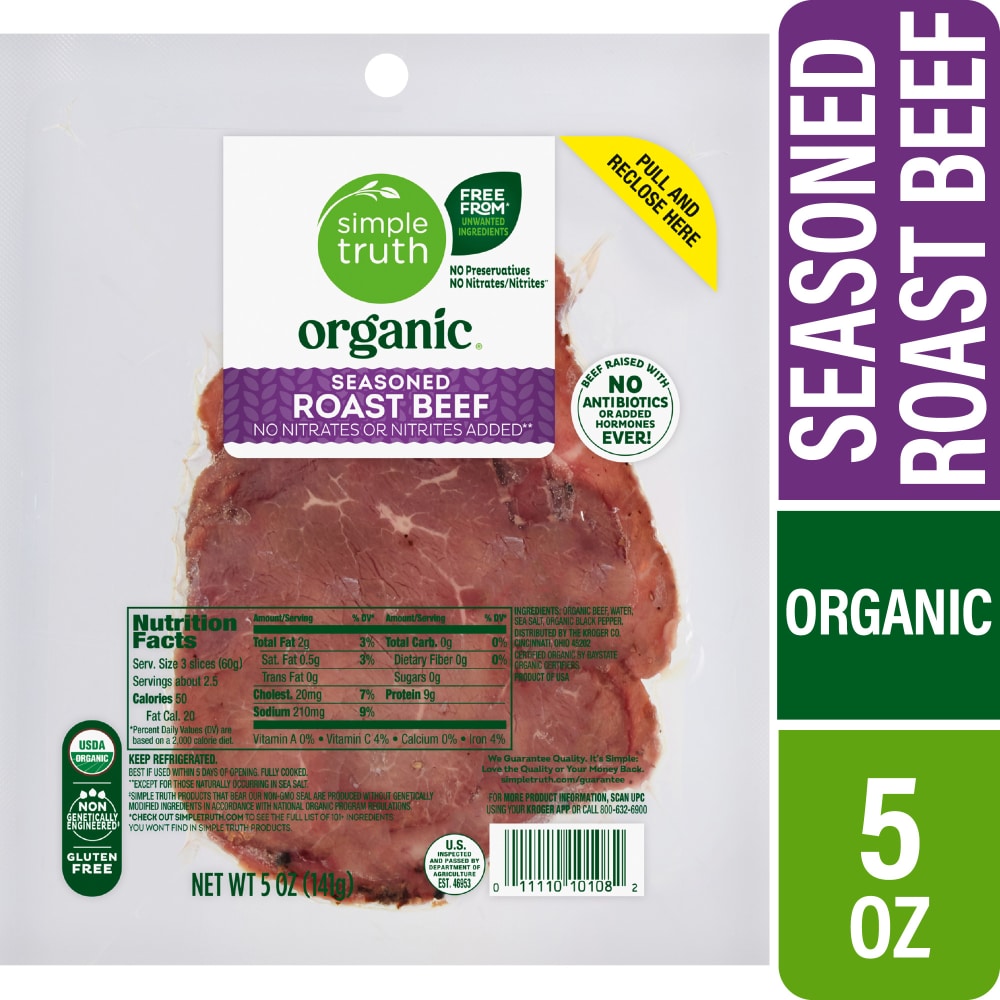
This roast beef product contains high-quality ingredients like boneless rump roast and extra virgin olive oil, which are beneficial for health. However, it also includes processed elements such as dextrose and caramel color, which are less desirable due to their potential health impacts. The product's processing level and the presence of these additives limit its overall health score.
Key ingredients 13
Boneless rump roastVery Good
A high-quality source of animal protein with a rich amino acid profile. Typically contains essential nutrients like iron and B vitamins. Grass-fed options provide additional omega-3 fatty acids.
Benefits
Provides essential amino acids necessary for muscle repair and maintenance. Rich in iron and B vitamins, supporting energy metabolism and red blood cell production.
Extra virgin olive oilVery Good
High-quality monounsaturated fat with anti-inflammatory properties. Contains antioxidants that support heart health. Cold-pressed extraction preserves beneficial compounds.
Benefits
Rich in monounsaturated fats that support heart health and provide anti-inflammatory properties. Contains antioxidants like vitamin E and polyphenols that may reduce oxidative stress.
Eye of round roastVery Good
Lean cut of beef that provides high-quality protein. Contains essential nutrients like iron and zinc. Grass-fed options may offer additional health benefits.
Benefits
Rich in protein and essential nutrients, supporting muscle health and energy metabolism.
PepperGood
A spice that adds flavor and contains beneficial compounds like piperine. Piperine may enhance nutrient absorption and has antioxidant properties. Often used in small amounts, contributing minimal calories.
Benefits
May enhance nutrient absorption and has antioxidant properties.
Garlic powderGood
Dehydrated form of garlic that retains many of its health benefits. Contains allicin, which may support cardiovascular health. Convenient for adding garlic flavor without the need for fresh garlic.
Benefits
May support cardiovascular health and has antimicrobial properties.
OnionGood
A vegetable that adds flavor and contains beneficial compounds like quercetin. Quercetin has antioxidant and anti-inflammatory properties. Provides dietary fiber and vitamin C.
Benefits
Contains antioxidants and provides dietary fiber, supporting digestive health.
GarlicGood
Aromatic vegetable known for its health-promoting properties. Contains allicin, which may support immune function and cardiovascular health. Fresh garlic offers more potent benefits compared to processed forms.
Benefits
May support immune function and cardiovascular health.
SpicesGood
A blend of various spices that enhance flavor and may offer health benefits. Many spices contain antioxidants and anti-inflammatory compounds. Used in small amounts, contributing minimal calories.
Benefits
May provide antioxidants and enhance flavor without adding calories.
SaltNeutral
Common seasoning used to enhance flavor. Essential for maintaining fluid balance and nerve function. Excessive consumption can lead to hypertension.
Risks
High intake may contribute to elevated blood pressure and cardiovascular issues.
Benefits
Provides sodium, an essential mineral for fluid balance and nerve function.
Bay leavesNeutral
Herb used to add flavor to dishes. Contains small amounts of vitamins and minerals. Typically removed before consumption, contributing minimal nutritional value.
Benefits
Adds flavor to dishes without significant nutritional impact.
DextroseBad
A simple sugar used as a sweetener and preservative. Can contribute to increased blood sugar levels. Often used in processed foods, providing empty calories.
Risks
May contribute to insulin resistance and weight gain when consumed in excess.
Caramel colorBad
A food coloring agent used to enhance appearance. May contain contaminants like 4-MEI, which has been linked to health concerns. Often used in processed foods with no nutritional benefits.
Risks
Potential exposure to 4-MEI, a compound linked to cancer in animal studies.
Sodium phosphateBad
Processed additive flagged under Scout's ingredient doctrine.
Risks
High intake may affect kidney function and calcium balance.
Benefits
Helps maintain moisture and texture in processed foods.
Processing
Processed Foods
Get the full breakdown in the Scout appTake Scout shopping
Scan any product to see lab results, healthy alternatives, and your personalized analysis.
Download on theApp Store GET IT ONGoogle Play