


Near you
Aldi is carried at Aldi stores. Find one within 25 miles.
At a glance
Summary
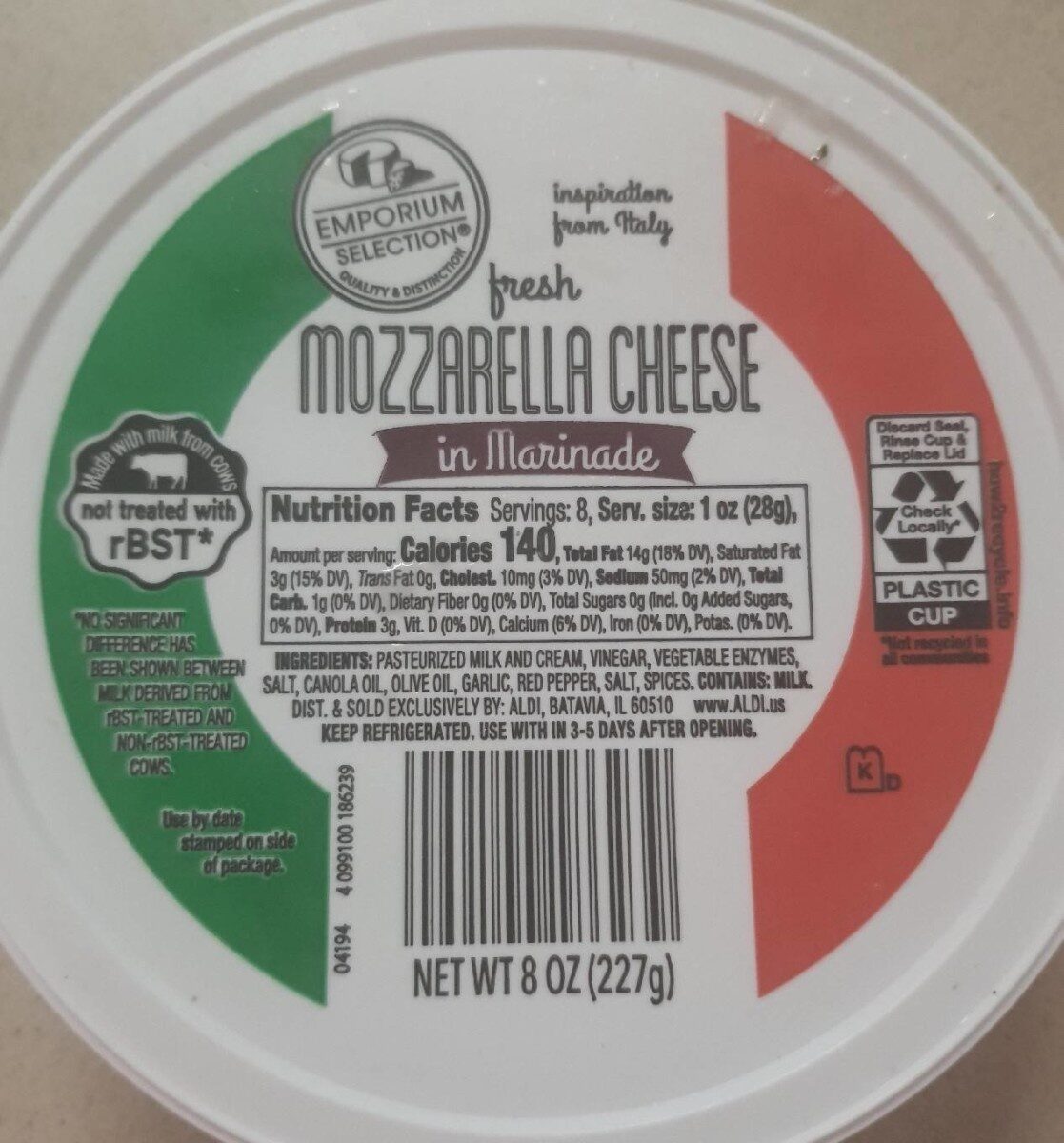
This mozzarella cheese contains beneficial ingredients like pasteurized milk and cream, olive oil, and garlic, which contribute to its nutritional value and flavor. However, the presence of canola oil, a seed oil high in omega-6 fatty acids, is a concern due to its potential inflammatory effects and high level of processing. The product's processing level also limits its score, as it is not minimally processed.
Key ingredients 9
Pasteurized milk and creamGood
A primary source of protein and calcium, essential for bone health. Pasteurization ensures safety by eliminating harmful bacteria. Provides a creamy texture and rich flavor to cheese.
Risks
Potential lactose intolerance issues for sensitive individuals.
Benefits
Rich in protein and calcium, supporting bone health and muscle function.
Olive oilGood
Rich in monounsaturated fats that support heart health. Contains antioxidants that may reduce oxidative stress. Cold-pressed extraction preserves beneficial compounds.
Benefits
Supports heart health and provides anti-inflammatory properties.
GarlicGood
Contains compounds with potential health benefits, including allicin. Known for its antimicrobial and antioxidant properties. Adds flavor and potential health benefits to foods.
Risks
May cause digestive discomfort in some individuals when consumed in large amounts.
Benefits
Offers antimicrobial and antioxidant properties, supporting immune health.
SpicesGood
Whole-food seasonings, antioxidant-bearing.
Benefits
Enhances flavor and may offer minor antioxidant benefits.
VinegarNeutral
Used as an acidifying agent in cheese production. Helps in curdling milk to form cheese. Generally recognized as safe with no significant health concerns.
Benefits
Aids in the cheese-making process by helping to curdle milk.
Vegetable enzymesNeutral
Used to aid in the cheese-making process by breaking down milk proteins. Typically derived from microbial or plant sources. Considered safe and effective for cheese production.
Benefits
Facilitates the cheese-making process by aiding in milk protein breakdown.
SaltNeutral
Commonly used for flavor enhancement and preservation in cheese. Provides essential sodium but should be consumed in moderation. Excessive intake can lead to health issues like hypertension.
Risks
High sodium intake may contribute to hypertension and cardiovascular issues.
Benefits
Enhances flavor and acts as a preservative in cheese.
Red pepperNeutral
Adds flavor and a mild heat to foods. Contains capsaicin, which may have metabolic benefits. Generally safe with no significant health concerns.
Risks
May cause digestive discomfort in sensitive individuals.
Benefits
Contains capsaicin, which may support metabolism and provide antioxidant benefits.
Canola oilVery Bad
A seed oil high in omega-6 fatty acids, which may promote inflammation. Often highly processed and refined. Considered less healthy compared to other oils like olive oil.
Risks
High omega-6 content may promote inflammation when consumed in excess.
Processing
Processed Foods
Get the full breakdown in the Scout appTake Scout shopping
Scan any product to see lab results, healthy alternatives, and your personalized analysis.
Download on theApp Store GET IT ONGoogle Play