Minestrone Soup

At a glance
Summary
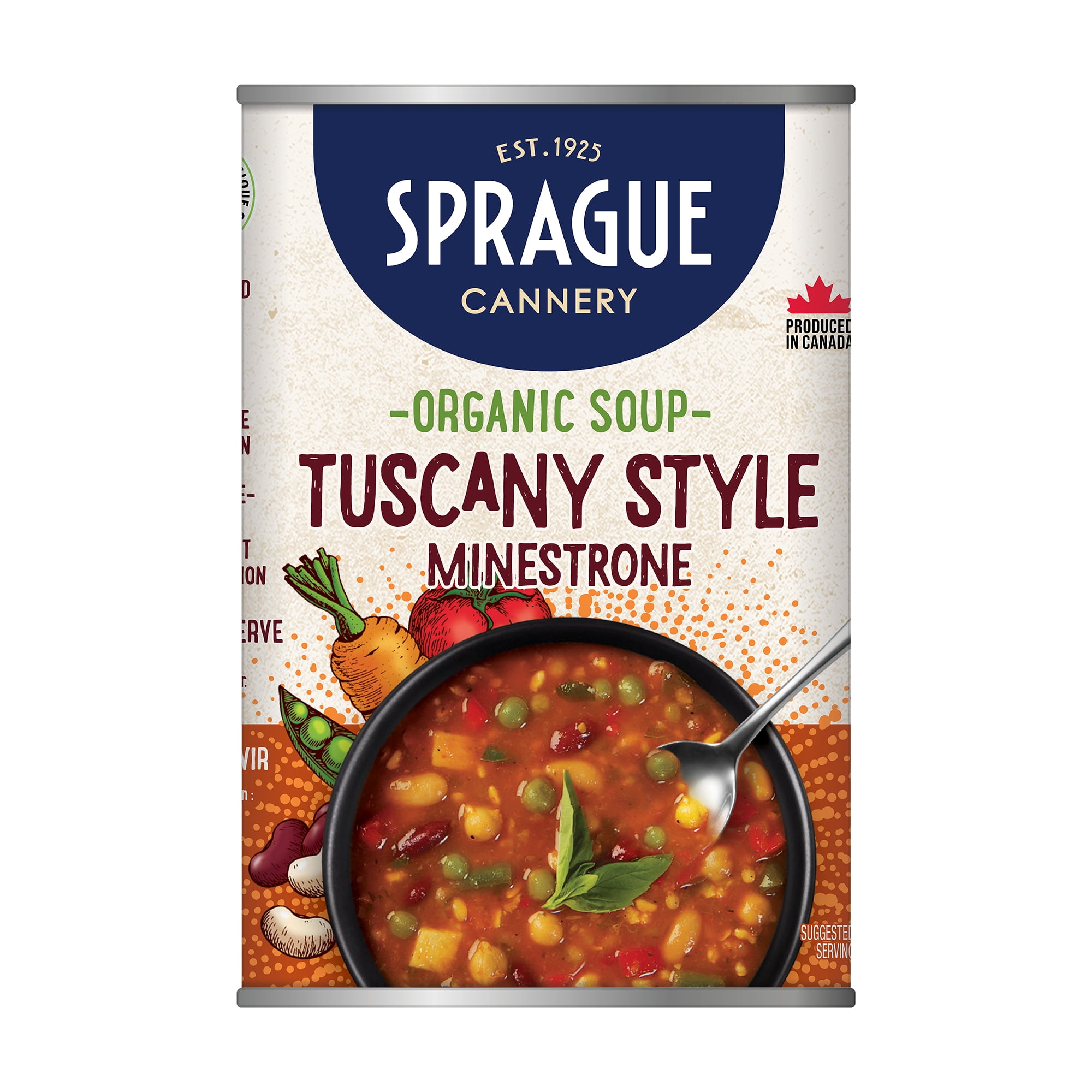
This minestrone soup contains a variety of vegetables like tomatoes, carrots, and red peppers, which provide essential nutrients and antioxidants. However, the presence of flavoring, which can include processed additives, and the overall ultra-processed nature of the product limit its health score. Despite its beneficial ingredients, the processing level and inclusion of unspecified flavoring components prevent a higher rating.
Key ingredients 18
TomatoesVery Good
Tomatoes are rich in vitamins, minerals, and antioxidants like lycopene. They support heart health and may reduce the risk of certain cancers. The natural sugars and acids in tomatoes enhance flavor without added sugars.
Benefits
Rich in antioxidants and vitamins, supporting overall health and reducing inflammation.
CarrotsVery Good
Carrots are a good source of beta-carotene, fiber, vitamin K1, and antioxidants. They promote eye health and support the immune system. Their natural sweetness enhances the flavor profile of the soup.
Benefits
High in beta-carotene, which is converted to vitamin A, supporting vision and immune function.
Red PeppersVery Good
Red peppers are high in vitamin C, antioxidants, and other nutrients. They support immune function and may reduce inflammation. Their vibrant color and sweet flavor enhance the visual and taste appeal of the soup.
Benefits
Rich in vitamin C and antioxidants, supporting immune health and reducing inflammation.
OnionsGood
Onions are low in calories and rich in antioxidants and sulfur-containing compounds. They may support heart health and have anti-inflammatory effects. Their flavor enhances the overall taste of the soup.
Benefits
Contains antioxidants and compounds that may support heart health and reduce inflammation.
PeasGood
Peas are a good source of plant-based protein, fiber, and essential vitamins. They support digestive health and provide a moderate amount of protein. Their inclusion adds nutritional diversity to the soup.
Benefits
Rich in fiber and protein, supporting digestive health and providing essential nutrients.
SwedeGood
Swede, also known as rutabaga, is a root vegetable rich in fiber, vitamins, and minerals. It supports digestive health and provides a source of complex carbohydrates. Its mild flavor complements other ingredients in the soup.
Benefits
Provides fiber and essential nutrients, supporting digestion and overall health.
Haricot BeansGood
Haricot beans are a good source of plant-based protein and fiber. They support heart health and aid in digestion. Their inclusion adds nutritional value and texture to the soup.
Benefits
Rich in protein and fiber, supporting heart health and digestion.
LeeksGood
Leeks are low in calories and rich in vitamins, minerals, and antioxidants. They support heart health and have anti-inflammatory properties. Their mild onion-like flavor enhances the soup's taste.
Benefits
Contains antioxidants and nutrients that support heart health and reduce inflammation.
HerbsGood
Herbs add flavor and aroma to dishes without adding calories. They contain antioxidants and may have anti-inflammatory properties. Their use enhances the nutritional profile of the soup.
Benefits
Rich in antioxidants and may provide anti-inflammatory benefits.
Black PepperGood
Black pepper is a spice that adds flavor and has antioxidant properties. It may aid digestion and enhance nutrient absorption. Its inclusion adds a subtle heat and complexity to the soup.
Benefits
Contains antioxidants and may improve digestion and nutrient absorption.
WaterNeutral
Water is a neutral ingredient used as a base in soups and other liquid foods. It does not contribute any calories or nutrients but is essential for hydration. It serves as a medium for cooking and blending other ingredients.
See more about Water →Pasta NoodlesNeutral
Pasta noodles provide carbohydrates and some protein, contributing to energy supply. Made from durum wheat semolina and egg white, they offer a moderate protein content. They are a staple in many diets but should be consumed in moderation.
Risks
May contribute to high carbohydrate intake if consumed in excess.
Benefits
Provides energy through carbohydrates and some protein from egg whites.
PotatoesNeutral
Potatoes are a source of carbohydrates, providing energy. They contain some vitamins and minerals, such as vitamin C and potassium. Their starchy texture adds body to the soup.
Risks
May contribute to high carbohydrate intake if consumed in excess.
Benefits
Provides energy and some essential nutrients like potassium.
CornflourNeutral
Cornflour is used as a thickening agent in soups and sauces. It provides carbohydrates but lacks significant nutritional value. Its use is primarily functional, enhancing the texture of the soup.
Modified CornflourNeutral
Modified cornflour is used to improve texture and stability in processed foods. It is a processed ingredient but generally considered safe. It does not contribute significant nutritional value.
SaltNeutral
Salt is used to enhance flavor and preserve food. It is essential for bodily functions but should be consumed in moderation. Excessive intake can lead to health issues like hypertension.
Risks
Excessive salt intake may lead to hypertension and cardiovascular issues.
Benefits
Essential for maintaining fluid balance and nerve function.
Yeast ExtractNeutral
Yeast extract is used to enhance flavor, providing a savory umami taste. It is a source of B vitamins but can be high in sodium. It is generally considered safe in moderate amounts.
Risks
May contribute to high sodium intake if consumed in excess.
Benefits
Provides B vitamins and enhances flavor with umami notes.
FlavouringBad
Flavouring often contains additives and can be highly processed. It may include artificial or natural components that are not clearly defined. The presence of celery and celeriac may pose allergy risks for some individuals.
Risks
May contain allergens like celery and celeriac, and the lack of transparency can be concerning.
Benefits
Enhances the flavor profile of the soup.
Processing
Ultra-Processed Foods
Get the full breakdown in the Scout appTake Scout shopping
Scan any product to see lab results, healthy alternatives, and your personalized analysis.
Are you Heinz? Fix an error Get the badge Get tested