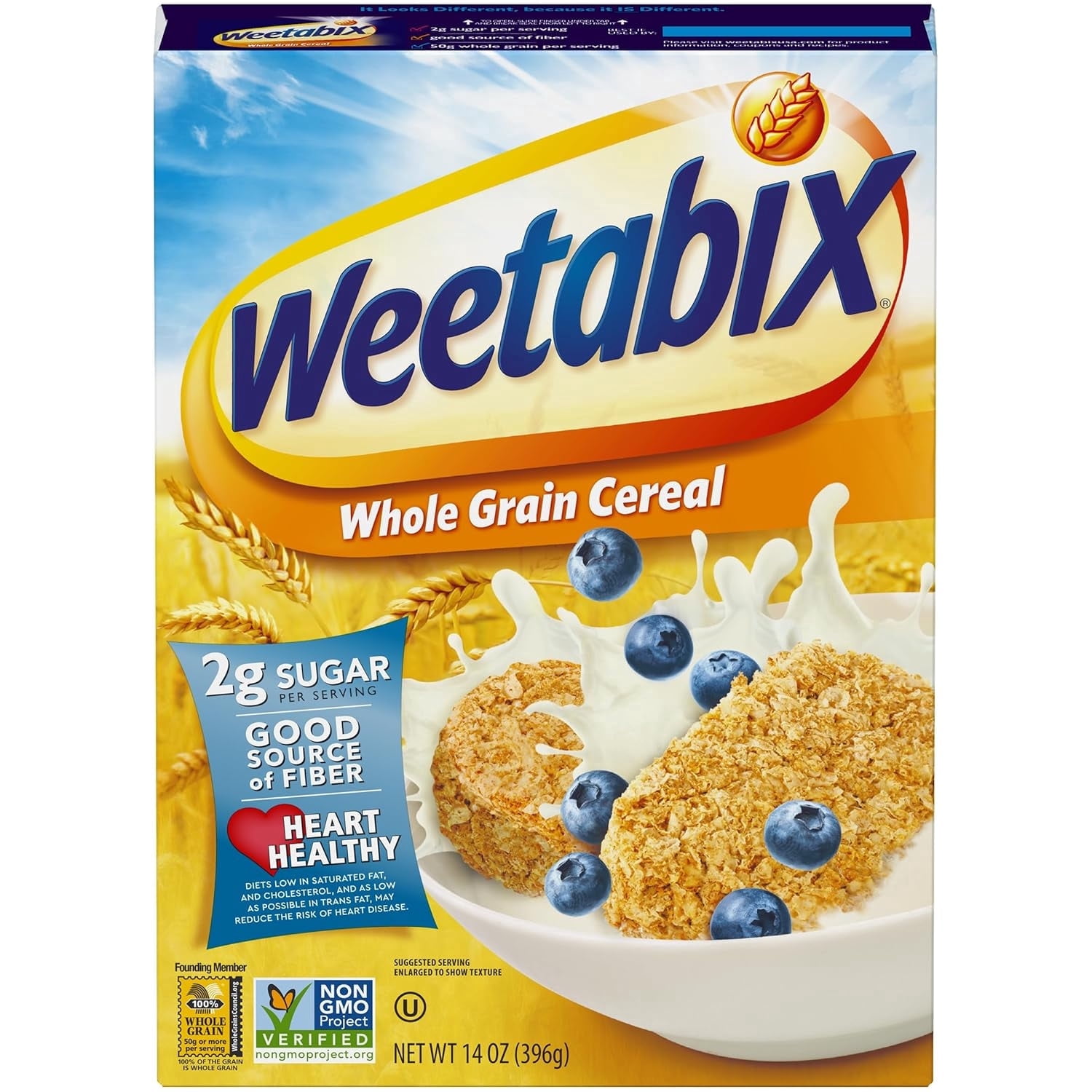
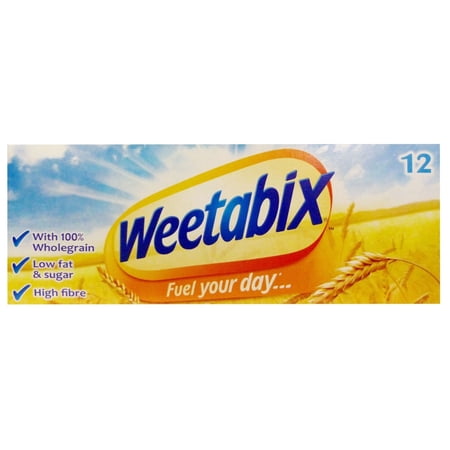
Weetabix Whole Grain Cereal, 7.6 Oz, 12 Ct
At a glance
Summary
Weetabix Whole Grain Cereal is primarily made from wholegrain wheat, which is a minimally processed source of fiber and nutrients, contributing positively to digestive and heart health. The product contains added vitamins and minerals like niacin, iron, and folic acid, which enhance its nutritional profile. However, the presence of refined sugar and its processed nature slightly detract from its overall healthiness, though it remains a relatively clean option within its category. Its plastic packaging can shed microplastics into the food and lowers its score.
Key ingredients 9
Wholegrain wheatGood
Wholegrain wheat is a minimally processed source of complex carbohydrates and fiber. It retains the bran and germ, providing essential nutrients and promoting digestive health. As a whole grain, it supports heart health and helps maintain stable blood sugar levels.
Risks
May contain gluten, which can be problematic for individuals with celiac disease or gluten sensitivity.
Benefits
Rich in dietary fiber, vitamins, and minerals, supporting digestive health and reducing the risk of chronic diseases.
NiacinGood
Niacin, also known as vitamin B3, is essential for energy metabolism and maintaining healthy skin and nerves. It is often added to foods to prevent deficiencies. As a water-soluble vitamin, it supports overall health and well-being.
Benefits
Supports energy production and helps maintain healthy skin and nerve function.
IronGood
Iron is a crucial mineral for the production of hemoglobin and oxygen transport in the blood. It is often added to cereals to prevent anemia and support overall health. Adequate iron intake is essential for energy levels and cognitive function.
Risks
Excessive iron intake can lead to toxicity, especially in individuals with hemochromatosis.
Benefits
Prevents iron-deficiency anemia and supports energy levels and cognitive function.
Riboflavin (B2)Good
Riboflavin, or vitamin B2, is essential for energy production and the metabolism of fats, drugs, and steroids. It is often added to foods to ensure adequate intake. As a water-soluble vitamin, it supports overall health and cellular function.
Benefits
Supports energy production and helps maintain healthy skin and eyes.
Thiamin (B1)Good
Thiamin, or vitamin B1, is essential for energy metabolism and the proper functioning of the nervous system. It is often added to foods to prevent deficiencies. Adequate thiamin intake supports overall health and cognitive function.
Benefits
Supports energy metabolism and the proper functioning of the nervous system.
Folic acidGood
Folic acid is a synthetic form of folate, a B-vitamin essential for DNA synthesis and cell division. It is crucial during pregnancy to prevent neural tube defects. Adequate intake supports overall health and reduces the risk of certain birth defects.
Risks
Excessive intake can mask vitamin B12 deficiency symptoms.
Benefits
Supports DNA synthesis and cell division, crucial for fetal development during pregnancy.
Malted barley extractNeutral
Malted barley extract is used as a natural sweetener and flavor enhancer. It is derived from barley grains that have been soaked, germinated, and dried. While it adds flavor, it does not provide significant nutritional benefits.
Risks
Contains gluten, which can be an issue for those with gluten intolerance or celiac disease.
Benefits
Provides a natural source of sweetness and flavor without the need for artificial additives.
SaltNeutral
Salt is used to enhance flavor and preserve food. It is a common culinary ingredient but does not provide additional nutritional benefits. Excessive consumption can lead to health issues such as hypertension.
Risks
High sodium intake is associated with increased risk of hypertension and cardiovascular diseases.
Benefits
Essential for maintaining fluid balance and nerve function in the body.
SugarBad
Refined sugar is a simple carbohydrate that can contribute to increased blood sugar levels and caloric intake. It is often associated with negative health effects such as obesity and dental cavities. Excessive consumption can lead to metabolic disorders and other health issues.
Risks
High intake of refined sugar is linked to obesity, type 2 diabetes, and heart disease.
Benefits
Provides quick energy but lacks essential nutrients.
Processing
Processed Foods
Get the full breakdown in the Scout appTake Scout shopping
Scan any product to see lab results, healthy alternatives, and your personalized analysis.
Are you Weetabix? Fix an error Get the badge Get tested
Amazon pricing & content
Amazon price as of . Product prices and availability are accurate as of the date/time indicated and are subject to change. Any price and availability information displayed on Amazon.com at the time of purchase will apply to the purchase of this product.
CERTAIN CONTENT THAT APPEARS ON THIS SITE COMES FROM AMAZON. THIS CONTENT IS PROVIDED “AS IS” AND IS SUBJECT TO CHANGE OR REMOVAL AT ANY TIME.