

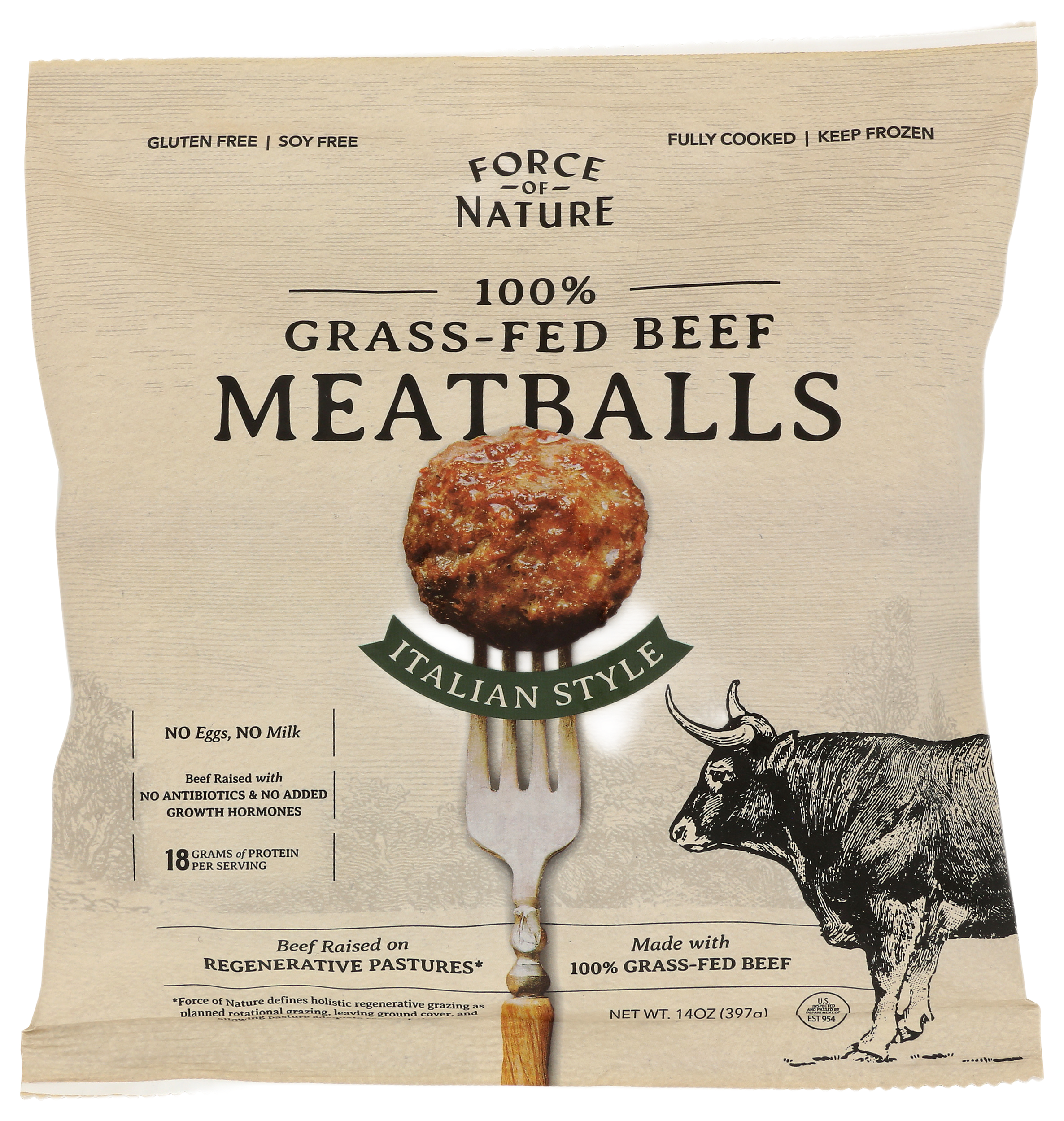


At a glance
Summary
The product contains high-quality protein sources from beef and pork, which are beneficial for muscle growth and nutrient intake. However, it is a processed food with added ingredients like rice flour, maize starch, and yeast extract, which contribute to its processing level. While it lacks harmful additives, the presence of multiple processed components limits its score.
Key ingredients 11
BeefGood
Beef is a high-quality source of protein and essential nutrients like iron and B vitamins. The presence of beef in the product provides a rich amino acid profile beneficial for muscle growth and repair. Grass-fed or organic beef would enhance the nutritional profile further.
Risks
Excessive consumption of red meat may be linked to increased risk of certain diseases.
Benefits
Provides essential nutrients such as iron, zinc, and vitamin B12, which are important for energy production and immune function.
PorkGood
Pork is a rich source of protein and contains essential vitamins and minerals like thiamine, selenium, and phosphorus. It contributes to the overall protein content of the product, supporting muscle maintenance and growth. The quality of pork can vary, with pasture-raised options offering better nutrient profiles.
Risks
High consumption of processed pork products may be associated with health risks such as heart disease.
Benefits
Contains high-quality protein and essential nutrients that support overall health and well-being.
Garlic PowderGood
Concentrated whole-food seasoning.
Benefits
Contains antioxidants that may support immune health and enhance flavor.
Black PepperGood
Beneficial ingredient — whole-food or functional value in this product class.
Benefits
Contains antioxidants and may aid in digestion while enhancing flavor.
WaterNeutral
Water is used as a processing aid and does not contribute significant nutritional value. It helps in maintaining the desired texture and moisture content of the product. There are no health concerns associated with water in this context.
See more about Water →Rice FlourNeutral
Rice flour is a gluten-free alternative used as a binder in processed foods. It provides carbohydrates but lacks significant protein or fiber content. It is suitable for those with gluten sensitivities.
Risks
May contribute to increased carbohydrate intake without providing fiber.
Benefits
Suitable for gluten-free diets and helps in binding ingredients together.
Gram FlourNeutral
Gram flour, made from chickpeas, is a source of protein and fiber. It is used as a binding agent and adds a nutty flavor to the product. It is beneficial for those seeking gluten-free options.
Benefits
Provides additional protein and fiber, enhancing the nutritional profile of the product.
SaltNeutral
Salt is used to enhance flavor and preserve the product. It is a common ingredient in processed foods but does not provide additional nutritional benefits. Excessive salt intake can lead to health issues such as hypertension.
Risks
High sodium intake can contribute to increased blood pressure and cardiovascular risk.
Benefits
Enhances flavor and acts as a preservative in food products.
Dried OnionNeutral
Dried onion is used for flavoring and provides some antioxidants and vitamins. It adds depth to the taste profile of the product. The drying process may reduce some nutrient content compared to fresh onions.
Benefits
Adds flavor and provides some antioxidants and vitamins.
Maize StarchNeutral
Maize starch is used as a thickening agent and provides carbohydrates. It is a common ingredient in processed foods but does not offer significant nutritional benefits. It is generally well-tolerated and suitable for gluten-free diets.
Risks
May contribute to increased carbohydrate intake without providing fiber.
Benefits
Suitable for gluten-free diets and helps in thickening and stabilizing food products.
Yeast ExtractBad
Concentrated glutamate source — MSG-adjacent flavor enhancer.
Risks
May contain naturally occurring glutamates, which some individuals may be sensitive to.
Benefits
Enhances flavor and provides some B vitamins and amino acids.
Processing
Processed Foods
Get the full breakdown in the Scout appTake Scout shopping
Scan any product to see lab results, healthy alternatives, and your personalized analysis.
Download on theApp Store GET IT ONGoogle Play