



At a glance
Summary
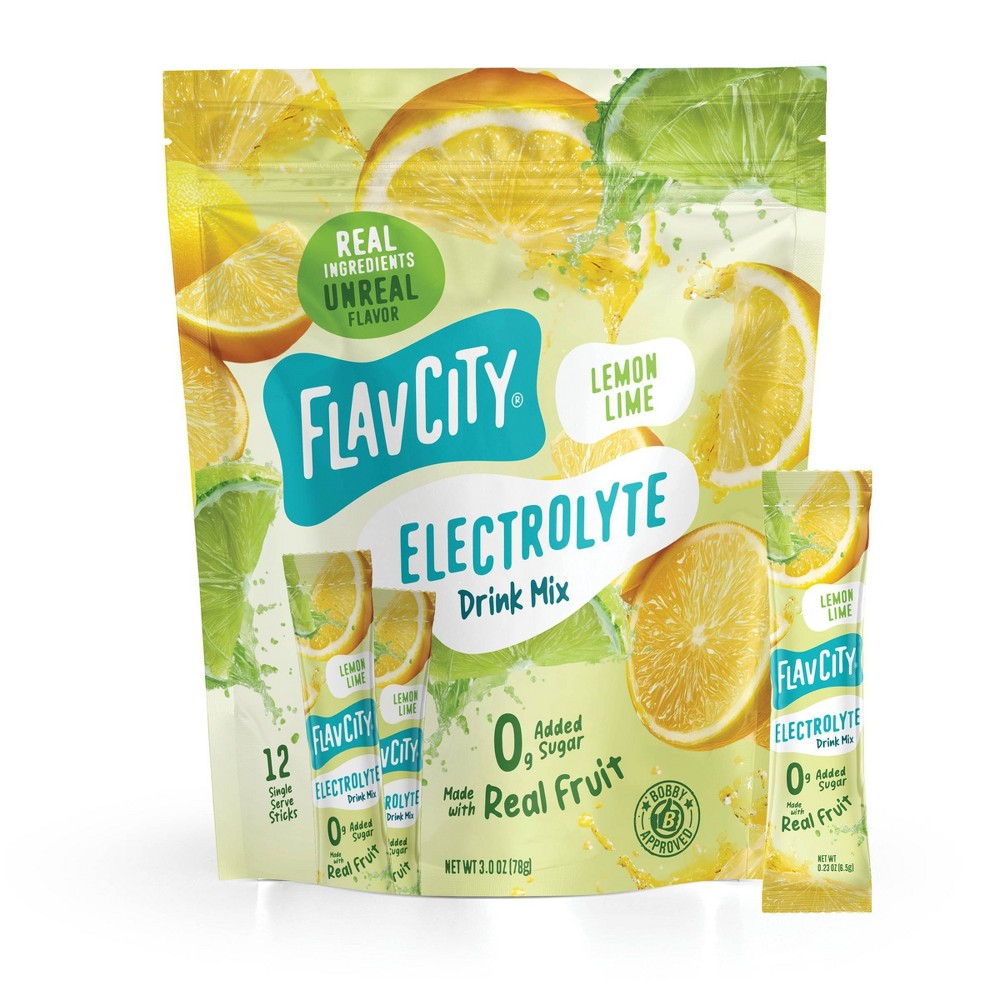
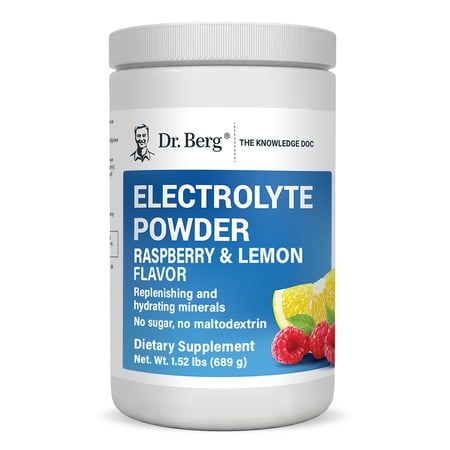
This electrolyte supplement features a clean formulation with beneficial ingredients like magnesium citrate, calcium citrate, and essential vitamins, which support hydration and overall health. The use of natural flavoring is a minor concern due to its lack of transparency, but the absence of artificial sweeteners, dyes, and excessive additives contributes to its high rating. The product is well-formulated for its category, focusing on essential electrolytes and vitamins without unnecessary fillers.
Key ingredients 11
Magnesium CitrateVery Good
Magnesium citrate is a highly bioavailable form of magnesium, which is crucial for muscle and nerve function. It aids in energy production and bone health. Its citrate form enhances absorption and utilization in the body.
Risks
High doses may cause gastrointestinal discomfort or diarrhea.
Benefits
Supports muscle function, energy production, and bone health.
Calcium CitrateVery Good
Calcium citrate is a well-absorbed form of calcium, essential for bone health and muscle function. It is more easily absorbed than other forms of calcium, especially in individuals with lower stomach acid. It supports bone density and overall skeletal health.
Risks
Excessive intake can lead to kidney stones or impaired absorption of other minerals.
Benefits
Promotes bone health and is easily absorbed by the body.
Vitamin B12 (Cyanocobalamin)Very Good
Vitamin B12 is crucial for red blood cell formation and neurological function. It supports DNA synthesis and energy production. Its role in nerve health makes it essential for cognitive function.
Benefits
Supports neurological health and energy production.
Sodium ChlorideGood
Sodium chloride, or table salt, is essential for maintaining fluid balance and nerve function. It is a key electrolyte that supports hydration and muscle function. However, excessive intake can lead to health issues such as hypertension.
Risks
High intake can contribute to high blood pressure and cardiovascular issues.
Benefits
Essential for electrolyte balance and proper muscle and nerve function.
Potassium ChlorideGood
Potassium chloride is used to provide potassium, an essential mineral that supports heart and muscle function. It helps maintain electrolyte balance and is beneficial for cardiovascular health. It is a healthier alternative to sodium chloride for those needing to reduce sodium intake.
Risks
Excessive intake can lead to hyperkalemia, which can affect heart function.
Benefits
Supports heart health and helps maintain proper electrolyte balance.
Vitamin C (Ascorbic Acid)Good
Vitamin C is a powerful antioxidant that supports immune function and skin health. It aids in collagen synthesis and enhances iron absorption. Its antioxidant properties help protect cells from oxidative damage.
Risks
High doses can cause gastrointestinal upset or kidney stones.
Benefits
Boosts immune function and supports skin health.
Vitamin B3 (Niacin)Good
Vitamin B3, or niacin, is important for energy metabolism and maintaining healthy skin. It supports cardiovascular health by improving cholesterol levels. It plays a role in converting food into energy.
Risks
High doses can cause skin flushing or liver damage.
Benefits
Supports energy metabolism and cardiovascular health.
Vitamin B5 (Pantothenic Acid)Good
Vitamin B5 is essential for synthesizing coenzyme A, which is crucial for energy production. It supports adrenal function and helps maintain healthy skin and hair. It is involved in the synthesis of fatty acids and hormones.
Benefits
Supports energy production and adrenal function.
Vitamin B6 (Pyridoxine Hydrochloride)Good
Vitamin B6 is vital for protein metabolism and cognitive development. It supports neurotransmitter synthesis and immune function. It plays a role in mood regulation and brain health.
Risks
Excessive intake can lead to nerve damage or sensory neuropathy.
Benefits
Supports brain health and immune function.
Citric AcidNeutral
Citric acid is a common food additive used to add acidity and enhance flavor. It is generally recognized as safe and is naturally found in citrus fruits. However, it is often produced synthetically for use in food products.
Risks
Excessive consumption may lead to dental erosion due to its acidic nature.
Benefits
It can enhance flavor and act as a preservative in food products.
Natural FlavouringBad
Natural flavouring is often a catch-all term that can include a variety of substances, some of which may not be disclosed. It lacks transparency and can sometimes include additives that are not beneficial. The processing methods and lack of clarity make it a less desirable ingredient.
Risks
Potential risks include undisclosed additives and allergens that may not be apparent to consumers.
Processing
Processed Culinary Ingredients
Get the full breakdown in the Scout appTake Scout shopping
Scan any product to see lab results, healthy alternatives, and your personalized analysis.
Download on theApp Store GET IT ONGoogle Play