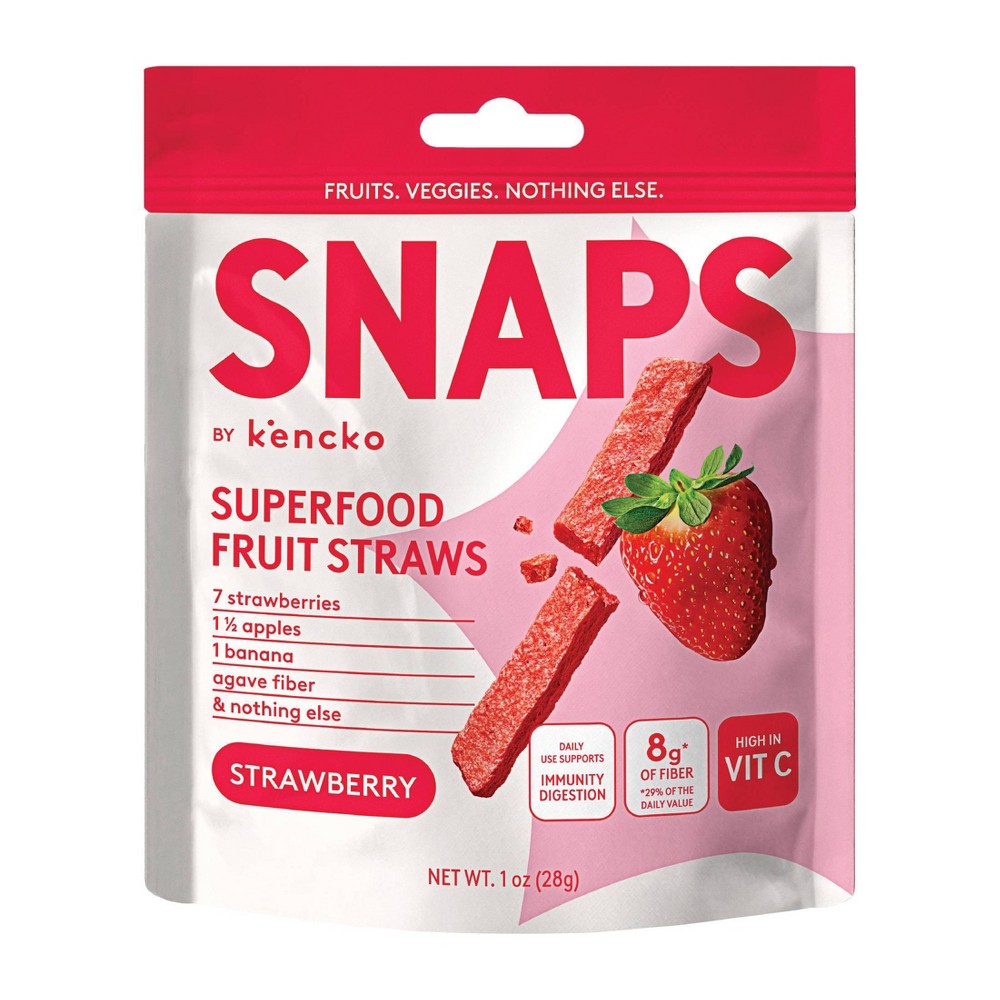
Rice snaps

At a glance
Summary
Rice snaps are a processed food with a relatively clean ingredient list, featuring rice as the primary component and fortified with essential vitamins and minerals. However, the presence of added sugar and the level of processing limit its health benefits compared to less processed alternatives. While the product avoids harmful additives like seed oils or artificial colors, the added sugar and processing level prevent it from achieving a higher score.
Key ingredients 13
RiceGood
Rice is a staple carbohydrate source that provides energy. It is minimally processed and generally well-tolerated by most individuals. As a whole grain, it can offer some fiber and essential nutrients.
Benefits
Provides a source of carbohydrates for energy and can be part of a balanced diet.
IronGood
Iron is an essential mineral important for oxygen transport in the blood. It helps prevent anemia and supports overall energy levels. Fortification ensures adequate intake in populations at risk of deficiency.
Risks
Excessive iron intake can lead to toxicity, particularly in individuals with hemochromatosis.
Benefits
Supports red blood cell production and prevents iron-deficiency anemia.
Niacin (B3)Good
Niacin is a B vitamin that supports energy metabolism and DNA repair. It is essential for converting food into energy. Fortification helps prevent deficiencies in populations with limited dietary sources.
Risks
High doses can cause flushing and liver damage.
Benefits
Supports energy production and healthy skin.
Pantothenic Acid (B5)Good
Pantothenic acid is a B vitamin involved in the synthesis of coenzyme A, crucial for fatty acid metabolism. It supports adrenal function and stress response. Fortification ensures adequate intake in diverse diets.
Benefits
Supports energy metabolism and the synthesis of hormones and neurotransmitters.
Riboflavin (B2)Good
Riboflavin is a B vitamin essential for energy production and cellular function. It acts as an antioxidant and supports skin and eye health. Fortification helps prevent deficiencies, especially in populations with limited dietary sources.
Benefits
Supports energy production and acts as an antioxidant.
Vitamin B6Good
Vitamin B6 is crucial for protein metabolism and cognitive development. It supports immune function and neurotransmitter synthesis. Fortification helps ensure adequate intake in various diets.
Risks
Excessive intake can lead to nerve damage.
Benefits
Supports brain health and immune function.
Thiamin (B1)Good
Thiamin is a B vitamin essential for carbohydrate metabolism and nerve function. It helps convert nutrients into energy. Fortification prevents deficiencies, particularly in populations with high carbohydrate diets.
Benefits
Supports energy metabolism and nerve function.
Folic Acid (B9)Good
Folic acid is vital for DNA synthesis and cell division. It is crucial during pregnancy to prevent neural tube defects. Fortification helps ensure adequate intake in populations at risk of deficiency.
Risks
Excessive intake can mask vitamin B12 deficiency symptoms.
Benefits
Supports cell division and prevents neural tube defects during pregnancy.
Vitamin DGood
Vitamin D is essential for calcium absorption and bone health. It supports immune function and has anti-inflammatory properties. Fortification helps prevent deficiencies, especially in regions with limited sunlight exposure.
Risks
Excessive intake can lead to hypercalcemia and kidney damage.
Benefits
Supports bone health and immune function.
Vitamin B12Good
Vitamin B12 is crucial for nerve function and red blood cell formation. It supports DNA synthesis and energy production. Fortification ensures adequate intake, particularly in vegetarian and vegan diets.
Benefits
Supports nerve health and red blood cell production.
Malted Barley ExtractNeutral
Malted barley extract is used as a natural sweetener and flavor enhancer. It is derived from barley and contains some vitamins and minerals. However, it is often used in small amounts, limiting its nutritional impact.
Risks
May contain gluten, which can be a concern for individuals with celiac disease or gluten sensitivity.
Benefits
Provides a natural source of sweetness and flavor with some trace nutrients.
SaltNeutral
Salt is used to enhance flavor and preserve food. It is a necessary nutrient for maintaining fluid balance and nerve function. However, excessive intake can lead to hypertension and cardiovascular issues.
Risks
High sodium intake is linked to increased blood pressure and cardiovascular disease risk.
Benefits
Essential for maintaining electrolyte balance and proper muscle function.
SugarBad
Refined sugar is associated with increased risk of obesity and metabolic disorders. It is a high-calorie ingredient with little nutritional value. Excessive consumption can lead to dental issues and blood sugar spikes.
Risks
High intake of refined sugar can contribute to obesity, diabetes, and heart disease.
Processing
Processed Foods
Get the full breakdown in the Scout appTake Scout shopping
Scan any product to see lab results, healthy alternatives, and your personalized analysis.
Are you Asda? Fix an error Get the badge Get tested