






At a glance
Summary
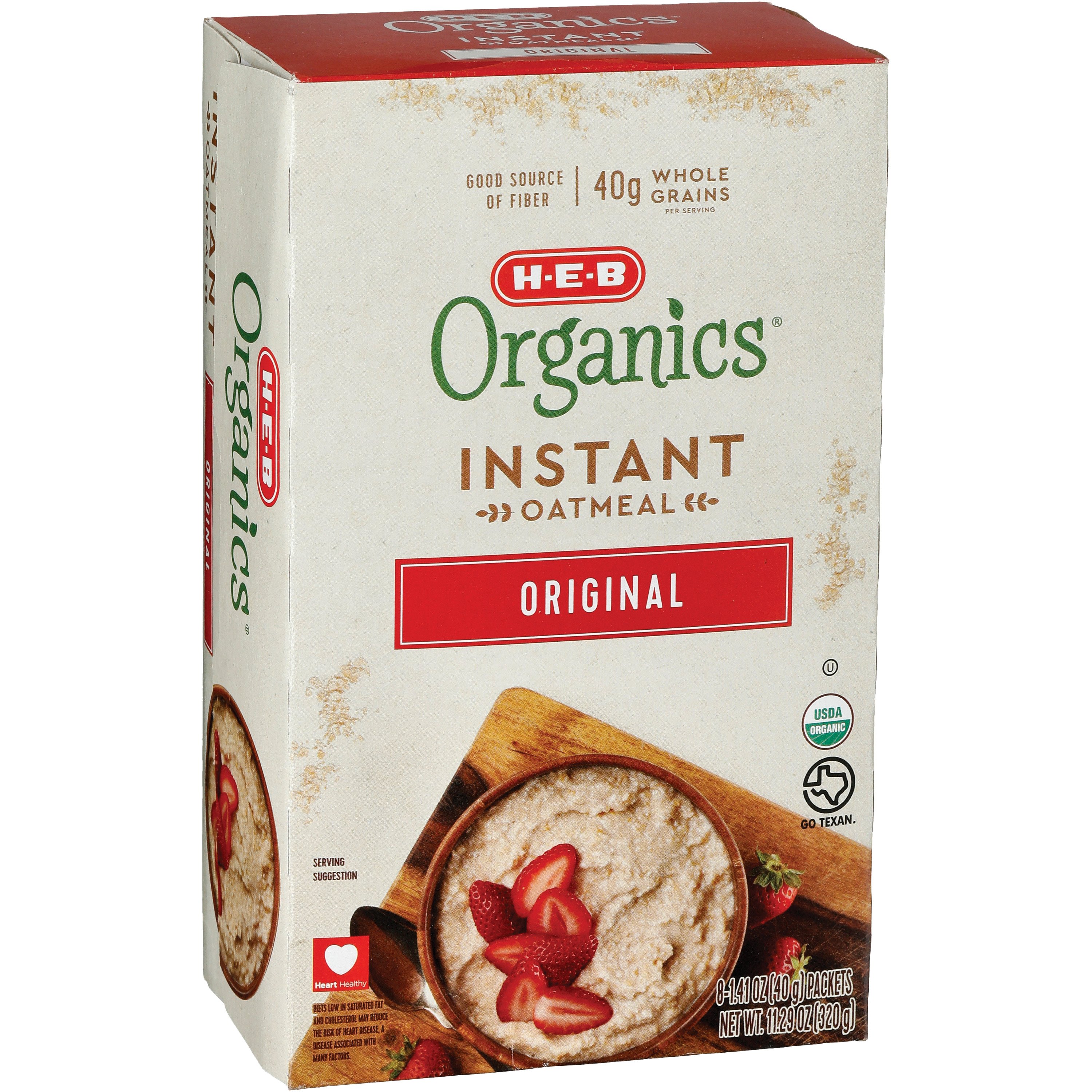
This product contains beneficial ingredients such as instant rolled oats and oat flour, which are minimally processed and provide essential nutrients and fiber. However, it is a processed food with added vitamins and minerals, which, while beneficial, indicate a higher level of processing. The absence of harmful additives like artificial colors or seed oils is positive, but the processing level limits its score.
Key ingredients 11
Instant rolled oatsVery Good
Instant rolled oats are a whole grain that provides a good source of dietary fiber and essential nutrients. They are minimally processed, retaining most of their nutritional value. Oats are known for their heart health benefits and ability to stabilize blood sugar levels.
Benefits
Rich in beta-glucan, a type of soluble fiber that can help lower cholesterol levels and improve heart health.
Oat flourGood
Oat flour is made from ground oats and retains the nutritional benefits of whole oats. It is a good source of fiber and can contribute to a feeling of fullness. The flour is versatile and can be used in various recipes to enhance nutritional content.
Benefits
Provides a source of complex carbohydrates and fiber, supporting digestive health and sustained energy levels.
NiacinamideGood
Niacinamide is a form of vitamin B3 used to fortify foods. It plays a crucial role in energy metabolism and DNA repair. It is well-absorbed and contributes to overall nutritional adequacy.
Benefits
Supports energy production and helps maintain healthy skin and nerves.
Vitamin AGood
Vitamin A is essential for vision, immune function, and skin health. It is often added to foods to ensure adequate intake. The acetate form is stable and effective in fortification.
Risks
Excessive intake can lead to toxicity, particularly in supplement form.
Benefits
Supports vision and immune health, and is crucial for maintaining healthy skin.
RiboflavinGood
Riboflavin, or vitamin B2, is essential for energy production and cellular function. It is commonly added to foods to prevent deficiencies. It is water-soluble and well-absorbed.
Benefits
Supports energy metabolism and is important for maintaining healthy skin and eyes.
Thiamine mononitrateGood
Thiamine mononitrate is a form of vitamin B1 used in food fortification. It is essential for carbohydrate metabolism and nerve function. It is stable and effective in preventing thiamine deficiency.
Benefits
Supports energy metabolism and is crucial for nerve function and muscle health.
Vitamin B12Good
Vitamin B12 is essential for nerve function and the production of red blood cells. It is often added to foods to ensure adequate intake, especially in vegetarian diets. It is well-absorbed and crucial for preventing anemia.
Benefits
Supports nerve health and is essential for the formation of red blood cells.
Calcium carbonateNeutral
Calcium carbonate is used as a calcium supplement and food additive. It helps fortify foods with calcium, which is essential for bone health. However, it is not as easily absorbed as other forms of calcium.
Risks
Excessive intake may lead to hypercalcemia or kidney stones.
Benefits
Provides a source of calcium, which is crucial for maintaining strong bones and teeth.
Zinc oxideNeutral
Zinc oxide is used to fortify foods with zinc, an essential mineral for immune function and enzyme activity. It is a common additive in fortified foods. However, it may not be as bioavailable as other forms of zinc.
Risks
Excessive zinc intake can interfere with copper absorption and lead to deficiencies.
Benefits
Supports immune function and is involved in numerous enzymatic reactions in the body.
Electrolytic ironNeutral
Electrolytic iron is used to fortify foods with iron, which is essential for oxygen transport in the blood. It is a common form of iron used in food fortification. However, it may not be as easily absorbed as heme iron from animal sources.
Risks
Excessive iron intake can lead to toxicity, especially in individuals with hemochromatosis.
Benefits
Helps prevent iron deficiency anemia and supports overall energy levels.
Folic acidNeutral
Standard formulation ingredient — neither beneficial nor harmful at typical use.
Risks
Excessive intake can mask vitamin B12 deficiency symptoms.
Benefits
Supports DNA synthesis and is crucial for fetal development during pregnancy.
Processing
Processed Foods
Get the full breakdown in the Scout appTake Scout shopping
Scan any product to see lab results, healthy alternatives, and your personalized analysis.
Download on theApp Store GET IT ONGoogle Play