



At a glance
Summary
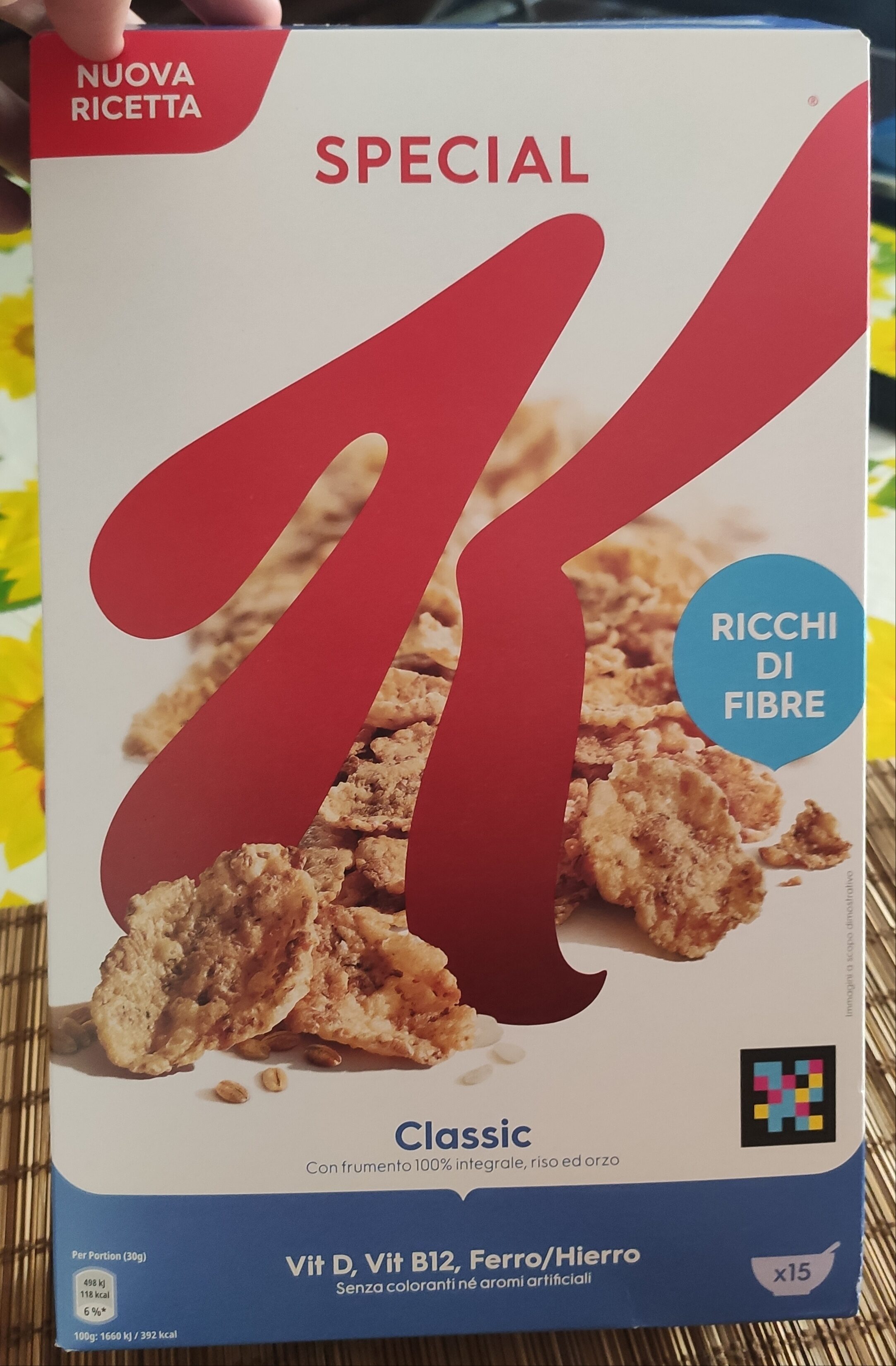
Special K Classic is a processed cereal with a moderate level of processing. It contains beneficial whole grains like rice, whole wheat, and barley, which provide fiber and essential nutrients. However, the presence of added sugar and the processed nature of the product limit its health benefits, resulting in a moderate score.
Key ingredients 15
RiceGood
Rice is a staple carbohydrate source that provides energy. It is minimally processed and generally well-tolerated. As a whole grain, it can contribute to a balanced diet.
Benefits
Provides a source of carbohydrates for energy and is generally easy to digest.
Whole WheatGood
Whole wheat is a source of dietary fiber and essential nutrients. It is less processed than refined grains, retaining more nutritional value. It supports digestive health and provides sustained energy.
Risks
May cause issues for individuals with gluten intolerance or celiac disease.
Benefits
Rich in fiber, vitamins, and minerals, supporting digestive health and providing sustained energy.
BarleyGood
Barley is a whole grain that provides fiber and essential nutrients. It is known for its heart health benefits and ability to help regulate blood sugar levels. It is a versatile grain that can be included in a balanced diet.
Risks
May cause issues for individuals with gluten intolerance or celiac disease.
Benefits
Rich in fiber and nutrients, supporting heart health and blood sugar regulation.
NiacinGood
Niacin, or vitamin B3, is essential for energy metabolism and maintaining healthy skin. It is often added to foods to prevent deficiencies. It supports overall health and well-being.
Benefits
Supports energy metabolism and skin health.
IronGood
Iron is a crucial mineral for oxygen transport in the blood. It is often added to foods to prevent anemia. Adequate iron intake supports energy levels and cognitive function.
Risks
Excessive iron intake can lead to toxicity and health issues.
Benefits
Essential for oxygen transport and preventing anemia.
RiboflavinGood
Riboflavin, or vitamin B2, is important for energy production and cellular function. It is often added to foods to ensure adequate intake. It supports overall health and helps maintain healthy skin and eyes.
Benefits
Supports energy production and cellular function.
ThiamineGood
Thiamine, or vitamin B1, is essential for energy metabolism and nerve function. It is often added to foods to prevent deficiencies. It supports overall health and helps convert carbohydrates into energy.
Benefits
Supports energy metabolism and nerve function.
Vitamin B6Good
Vitamin B6 is important for protein metabolism and cognitive development. It is often added to foods to ensure adequate intake. It supports immune function and brain health.
Benefits
Supports protein metabolism and cognitive development.
Vitamin DGood
Vitamin D is essential for calcium absorption and bone health. It is often added to foods to prevent deficiencies, especially in regions with limited sunlight. It supports immune function and bone strength.
Risks
Excessive intake can lead to toxicity and hypercalcemia.
Benefits
Supports calcium absorption and bone health.
Vitamin B12Good
Vitamin B12 is crucial for nerve function and red blood cell formation. It is often added to foods to prevent deficiencies, especially in vegetarians and vegans. It supports energy production and neurological health.
Benefits
Supports nerve function and red blood cell formation.
Barley Malt FlourNeutral
Barley malt flour is used as a flavor enhancer and for its enzymatic properties. It is a processed ingredient but generally considered safe in small amounts. It adds a mild sweetness and can improve the texture of baked goods.
Risks
May cause issues for individuals with gluten intolerance or celiac disease.
Benefits
Adds flavor and can improve the texture of products.
SaltNeutral
Salt is used to enhance flavor and preserve food. It is a necessary nutrient but should be consumed in moderation. Excessive intake can lead to health issues such as hypertension.
Risks
High sodium intake can contribute to hypertension and cardiovascular disease.
Benefits
Essential for maintaining fluid balance and nerve function.
Barley Malt ExtractNeutral
Barley malt extract is used for its sweetening properties and flavor enhancement. It is a processed ingredient but generally considered safe in small amounts. It adds a distinct malt flavor to foods.
Risks
May cause issues for individuals with gluten intolerance or celiac disease.
Benefits
Adds flavor and sweetness to products.
Folic AcidNeutral
Standard formulation ingredient — neither beneficial nor harmful at typical use.
Risks
Excessive intake can mask vitamin B12 deficiency.
Benefits
Supports DNA synthesis and prevents neural tube defects.
SugarBad
Refined sugar is a source of empty calories with no essential nutrients. It can contribute to weight gain and metabolic issues when consumed in excess. It is often added to enhance flavor but should be limited in a healthy diet.
Risks
Excessive consumption can lead to obesity, type 2 diabetes, and dental problems.
Processing
Processed Foods
Get the full breakdown in the Scout appTake Scout shopping
Scan any product to see lab results, healthy alternatives, and your personalized analysis.
Download on theApp Store GET IT ONGoogle Play