


At a glance
Summary
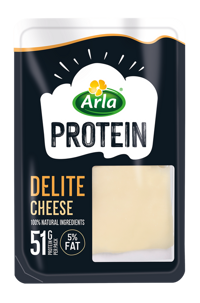
This cheese product is primarily made from milk, salt, and microbial rennet, which are simple and clean ingredients. It provides a good source of protein and calcium with minimal additives, making it a relatively healthy option. However, due to its processing level, the score is capped, reflecting its processed nature despite the clean ingredient list.
Key ingredients 4
MilkGood
Milk is a primary source of protein and calcium, essential for bone health. It is a natural ingredient with minimal processing in cheese production. The quality of milk can vary, but it generally provides essential nutrients.
Risks
Potential lactose intolerance or milk allergy in some individuals.
Benefits
Rich in protein and calcium, supporting bone health and muscle function.
SaltNeutral
Salt is used for flavor and preservation in cheese. It is a common ingredient in processed foods and does not provide additional nutritional benefits. Excessive consumption can lead to health issues like hypertension.
Risks
High sodium intake can contribute to hypertension and cardiovascular issues.
Starter cultureNeutral
Starter cultures are used to ferment milk, aiding in cheese production. They are essential for developing flavor and texture in cheese. The specific strains used can vary, impacting the final product's characteristics.
Benefits
Contributes to the development of flavor and texture in cheese.
Microbial rennetNeutral
Microbial rennet is used to coagulate milk in cheese making. It is a vegetarian alternative to animal rennet and is widely used in cheese production. It does not significantly impact the nutritional profile of the cheese.
Benefits
Allows for cheese production without animal-derived rennet, suitable for vegetarians.
Processing
Processed Foods
Get the full breakdown in the Scout appTake Scout shopping
Scan any product to see lab results, healthy alternatives, and your personalized analysis.
Download on theApp Store GET IT ONGoogle Play